
Health in Georgia: insurance, pharmacies, rabies, altitude and water
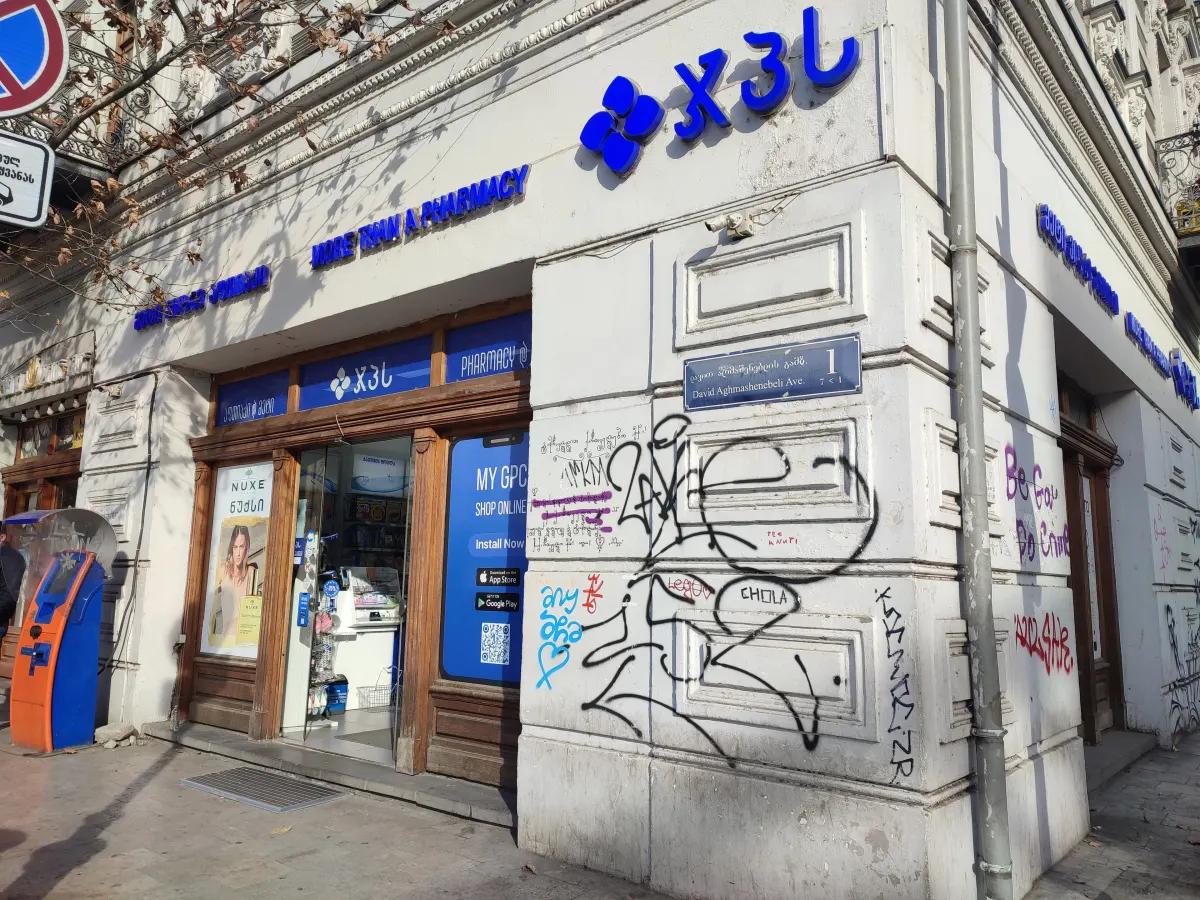
Georgia has no special health risks for most travellers, but healthcare outside Tbilisi is limited, and treatment has to be paid for, so the insurance that's now compulsory is important anyway.
Insurance and treatment
- Every visitor must have health and accident insurance with at least 30,000 lari of cover: see Arriving in Georgia. Choose a policy with medical evacuation, and check it covers trekking and skiing if you'll be doing them.
- Tbilisi has good private hospitals and clinics, some with English-speaking staff, but they're expensive. Facilities in the regions are much more basic, and serious cases are sent to Tbilisi.
- For an ambulance, call 112.
Pharmacies and medicines
- Pharmacies are everywhere in towns, often open late or all night, and pharmacists can help with minor problems. Big chains include PSP, Aversi and GPC.
- Bring enough of your own medicines, in their original packaging with a prescription, and check that they're allowed: some, including codeine painkillers, are banned. See Arriving in Georgia.
Vaccinations and diseases
- See a travel health clinic, or a site such as the UK's TravelHealthPro, at least eight weeks before you go, and make sure your routine vaccinations are up to date.
- Rabies is present in Georgia, and there are many stray dogs. Don't touch dogs or cats, and if you're bitten or scratched, wash the wound well with soap and water for 15 minutes and get medical help the same day: rabies treatment is available in Tbilisi and the main towns. Ask about the rabies vaccine before you go if you'll be in remote areas.
- Snakes: vipers live in Georgia, and are most active in early summer. Wear boots and long trousers in long grass and on rocky paths. Few hospitals outside the big towns have antivenom.
- Ticks live in forests and meadows: check yourself after walks.
Altitude
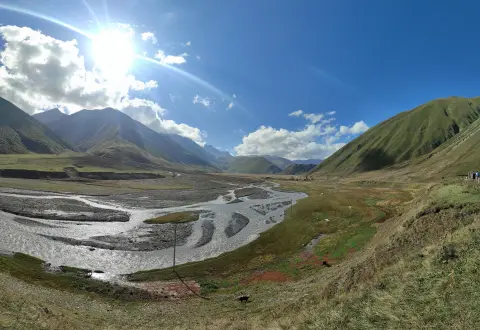
Most treks in Georgia stay below 3,000 metres, but some passes and peaks are higher, and Mount Kazbek reaches about 5,050 metres. Altitude sickness can start above about 2,500 metres: climb slowly, drink plenty, and go down if you get a bad headache, nausea or dizziness. See Hiking in Svaneti and Kazbegi.
Food and water
- Tap water quality varies. In Tbilisi it's generally considered safe, but many people drink bottled water, which is cheap, and Georgia's mineral waters are everywhere. In the mountains, treat water from streams.
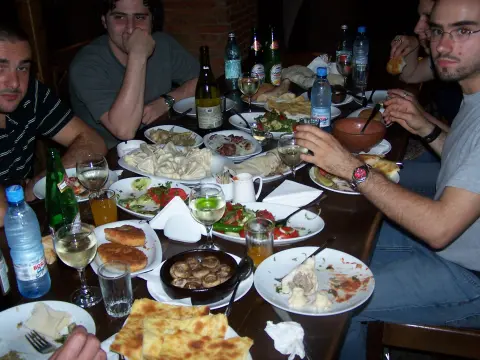
- Georgian meals are rich, with lots of cheese, bread and meat, and wine and chacha flow freely. Pace yourself.
- In summer, Tbilisi and the lowlands get very hot: drink plenty of water and avoid the midday sun.
See also: Safety in Georgia and Weather.
Comments
No comments yet.