
Georgian food and wine: the supra, toasts, qvevri wine and what to try
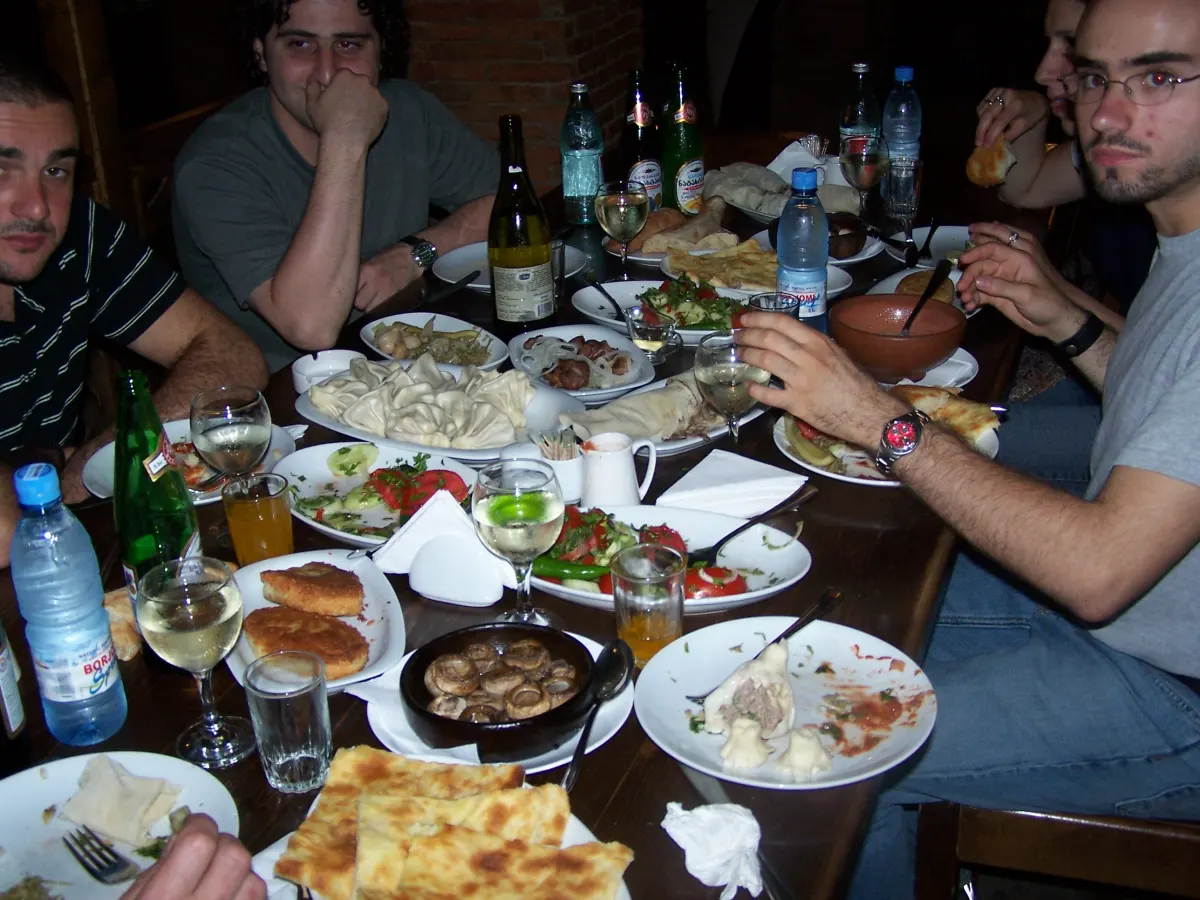
Georgian food is one of the great reasons to visit: cheese breads, dumplings, walnut sauces, herbs, and some of the oldest wine traditions in the world. Meals are generous, and hospitality is taken very seriously: guests are seen as a gift from God, and you'll be fed until you can't move.
What to eat
- Khachapuri, cheese bread, comes in many regional forms: round Imeretian khachapuri, Megrelian with cheese on top too, and the boat-shaped Adjarian khachapuri from Batumi, with an egg and butter stirred into the middle.
- Khinkali, big twisted dumplings filled with spiced meat and broth, from the mountains. Hold them by the knot, bite a hole, drink the broth, then eat the rest, but leave the knot.
- Pkhali and badrijani: vegetable pâtés with ground walnuts, and fried aubergine rolled round walnut paste. Walnuts, garlic, coriander and pomegranate turn up everywhere.
- Mtsvadi, meat grilled on skewers over vine cuttings; chakapuli, lamb stewed with tarragon and plums; shkmeruli, chicken in garlic and milk; lobio, bean stew; and ajapsandali, a vegetable stew.
- Sauces: tkemali, a sour plum sauce, and ajika, a hot red paste from the west.
- Churchkhela, nuts threaded on a string and dipped in thickened grape juice, sold at markets and roadsides.
- Vegetarians eat well, especially during the Orthodox fasts, when many restaurants offer dishes without meat or dairy.
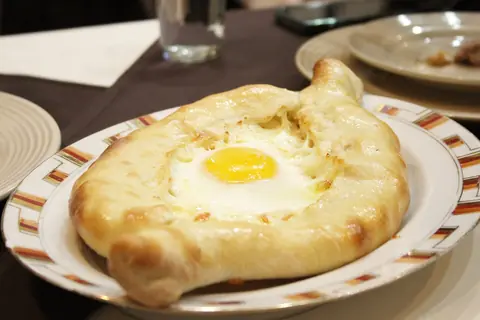
Khachapuri
Georgia's cheese-filled bread, eaten every day.
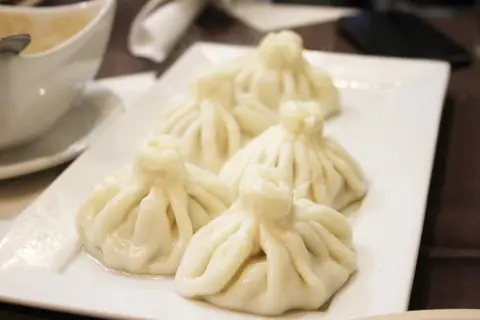
Khinkali
Large twisted dumplings filled with spiced meat and broth, from the mountain regions.
The supra and its toasts
A supra is a Georgian feast: a table covered with dishes, often stacked on top of each other, and long rounds of toasts. If you're invited to one, or to a meal at a guesthouse, there are a few things to know:
- A tamada, the toastmaster, leads the toasts: to Georgia, to peace, to the dead, to parents, to friends, to guests and much more. Wait for the tamada's toast before drinking, and drink after it. You can sip, but at important toasts people may expect you to drain your glass.
- Toasts are made with wine or chacha. Traditionally, Georgians don't toast with beer.
- Saying "gaumarjos" means "cheers" (literally "victory"), and "gmadlobt" means "thank you".
- You'll be pressed to drink more. It's fine to refuse politely, or to keep your glass full so nobody refills it. Don't drive afterwards.
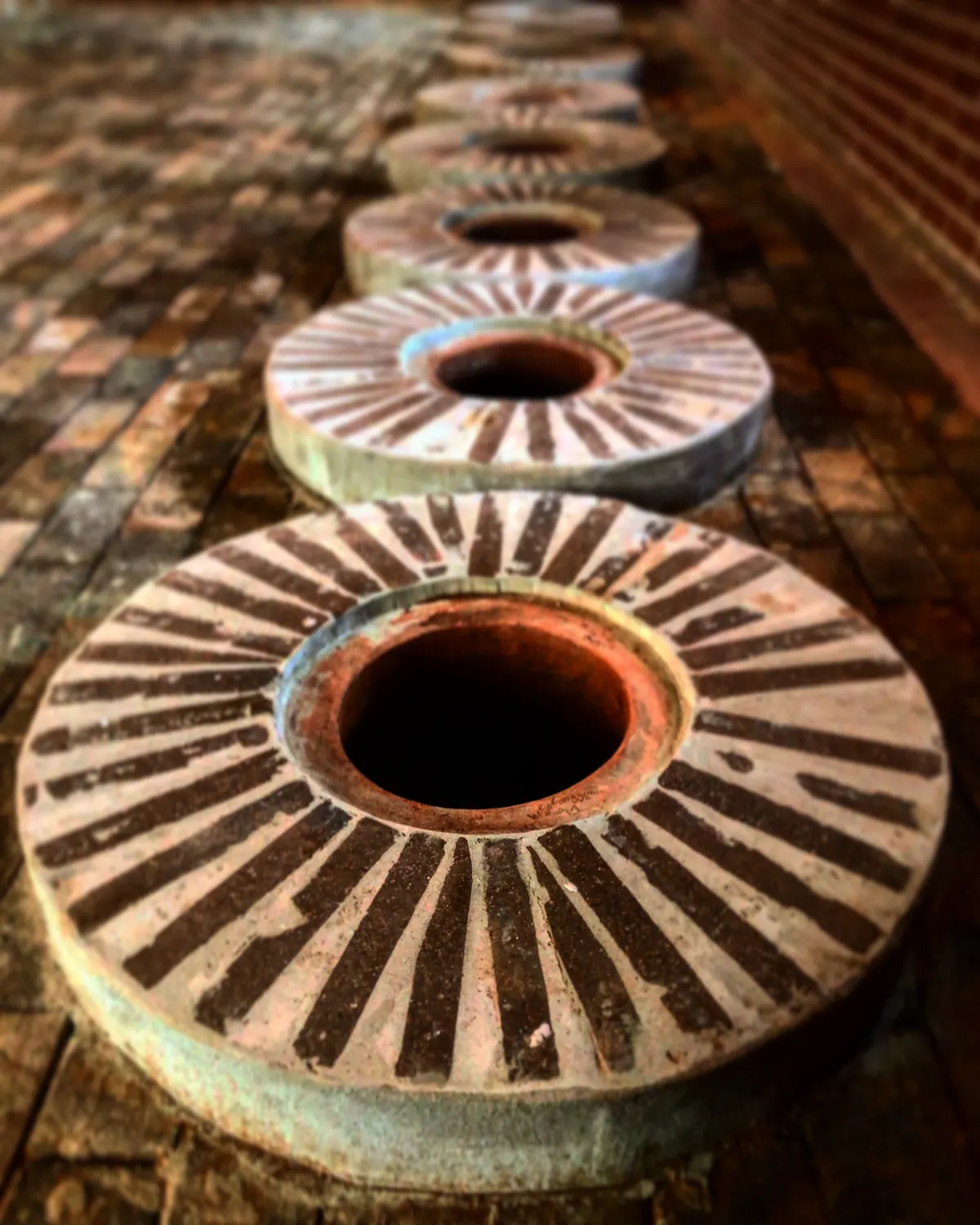
Wine and qvevri
- Georgia has made wine for around 8,000 years. The traditional method, ageing the wine in qvevri, large clay jars buried in the ground, is on UNESCO's list of the Intangible Cultural Heritage of Humanity. See Georgian qvevri wine.
- White grapes fermented on their skins in qvevri make amber (orange) wine, with the colour and taste of tea and dried fruit. Try Rkatsiteli and Mtsvane, and among reds, Saperavi.
- Kakheti, in the east, is the main wine region. Many wineries, from big estates to family cellars, offer tastings, and the harvest, rtveli, in September and October is the best time to visit. Book ahead or go with a driver: see Kakheti and Sighnaghi.
- Chacha is the strong grape brandy made from what's left after the wine. Homemade chacha can be very strong.
- Tap water is generally drinkable in Tbilisi, but many people drink bottled water, and Georgia's mineral waters, Borjomi and Nabeghlavi, are famous. See Health.
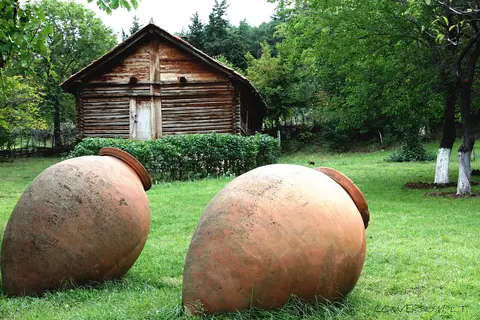
Georgian qvevri wine
Georgia has made wine for 8,000 years, one of the oldest wine traditions in the world.
See also: Culture and etiquette, and the itinerary 7 days in Georgia, with two days in Kakheti.



Comments
No comments yet.