
Arriving in Georgia: a year without a visa, compulsory travel insurance and what you can bring
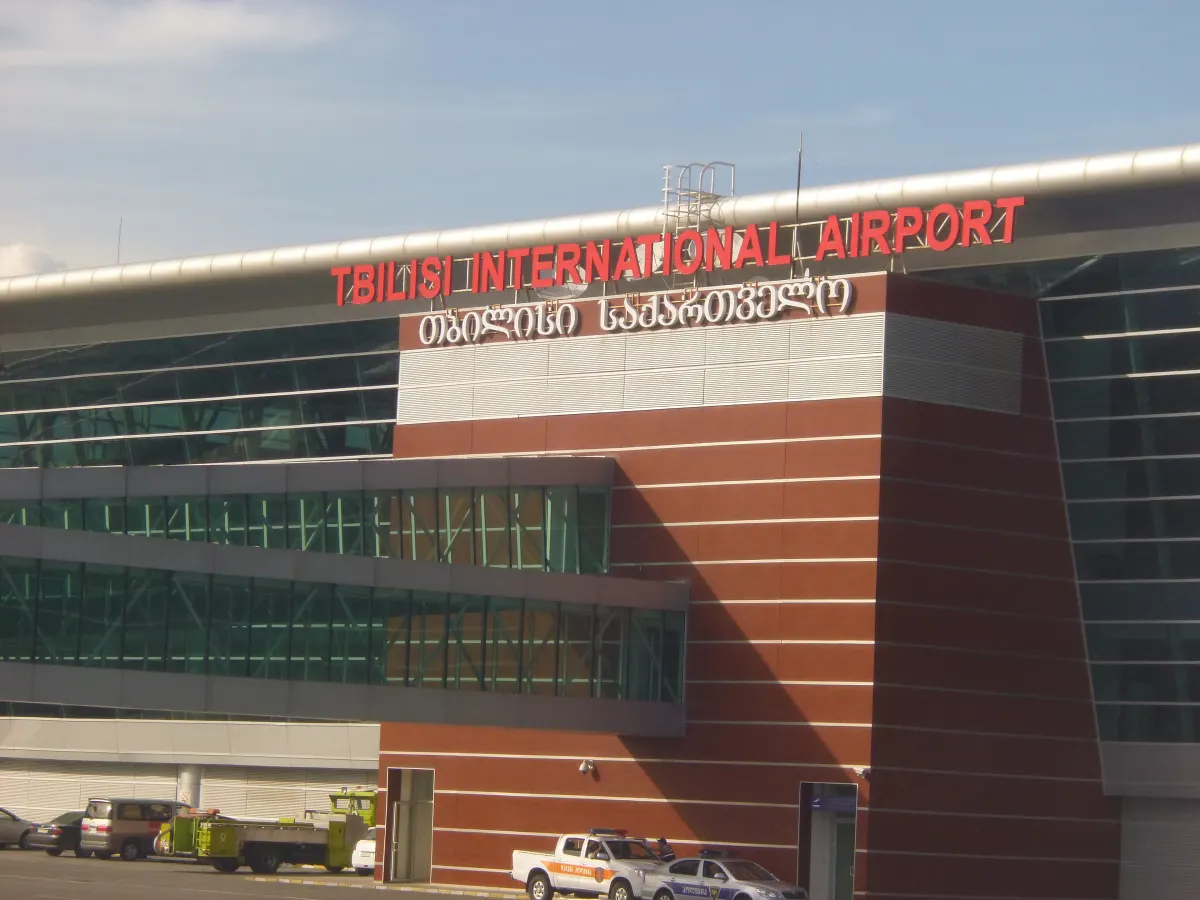
Georgia is one of the easiest countries in the world to visit: people from dozens of countries can arrive without a visa and stay for up to a year. Since 1 January 2026, though, every visitor must have health and accident insurance, and the rules on medicines are strict.
Do you need a visa?
- Up to one year without a visa: citizens of a long list of countries, including the UK, Ireland, the countries of the European Union, the USA, Canada, Australia and New Zealand, can stay in Georgia for up to a year without a visa. The full list is on the Georgian Ministry of Foreign Affairs' site, geoconsul.gov.ge.
- Other nationalities may need a visa, which many can get online through the official e-visa portal, evisa.gov.ge. Some people who hold a valid visa or residence permit for certain other countries can visit without a Georgian visa for a shorter time. Check the ministry's site for your passport.
- Your passport must be valid for the whole of your stay. Some airlines ask for more, so it's safest to have a few months spare.
- Working: since 1 March 2026, foreigners who work in Georgia, including working remotely for a foreign employer or running a business, need a work permit. A tourist stay doesn't cover it.
Compulsory health insurance
Since 1 January 2026, the Law of Georgia on Tourism requires every foreign visitor, including those who don't need a visa, to have health and accident insurance for their whole stay.
- The cover must be at least 30,000 Georgian lari (GEL), and must cover the whole stay, including the days you arrive and leave.
- The policy can be from a Georgian or a foreign insurer, on paper or on your phone, in English or Georgian. Most ordinary travel insurance policies will do if the medical cover is high enough, but check the dates and the amount.
- Airlines may ask to see it at check-in, and border officers when you arrive. Have it ready to show.
- Make sure it also covers what you plan to do: hiking at altitude, skiing and adventure sports are often excluded unless you pay extra. See Hiking in Svaneti and Kazbegi.
Abkhazia and South Ossetia: don't enter from Russia
About a fifth of Georgia, the regions of Abkhazia and South Ossetia (which Georgians call Tskhinvali region), has been occupied by Russia since the war of 2008. Under Georgia's Law on Occupied Territories, foreigners may only enter them from the rest of Georgia, and entering from Russia is a crime, punishable by heavy fines or prison. A stamp from the self-declared authorities can count as illegal entry. Western governments advise against all travel to both regions: see Safety in Georgia.
Medicines
Georgia's anti-drug laws are very strict, and they cover some prescription and over-the-counter medicines too.
- Medicines containing codeine that you can buy without a prescription at home are illegal in Georgia. Leave them behind.
- Foreigners have been detained and fined over medicines, even with a prescription. Bring only what you need, in the original packaging, with a copy of the prescription or a doctor's letter.
- If you take a strong painkiller, a sedative, an ADHD medicine or anything else that's controlled, check with the nearest Georgian embassy well before you travel: the UK government says an assessment by Georgia's medicines regulator takes about a month.
Customs
- Declare cash and cheques worth more than 30,000 lari when you arrive or leave.
- Adults can bring in a limited amount of alcohol and tobacco duty-free, including a few litres of wine. Georgia's Revenue Service, rs.ge, has the current allowances.
- You need permission to take antiques and old works of art out of the country, so ask for a certificate if you buy anything old.
- Drones with a camera have to be registered in person with the Civil Aviation Agency before you fly them.
When you land
- Most visitors fly into Tbilisi, the capital. Many budget flights from Europe use Kutaisi, in the west, about three hours from Tbilisi, and there are also flights to Batumi on the Black Sea coast.
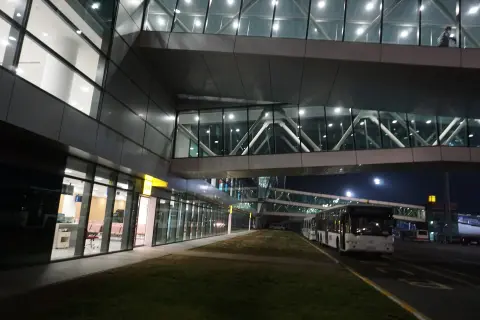
- From Tbilisi airport, take a taxi through the Bolt app, or a bus into the city. Don't take one of the unofficial taxis touting in the arrivals hall without agreeing the price. See Getting around Georgia.
- Buy a local SIM or eSIM at the airport: see Phones and apps. ATMs and exchange offices are in the arrivals hall: see Money.
- Georgia also has land borders with Turkey and Armenia. The land border with Azerbaijan has been closed to travellers for several years, though there are trains between Tbilisi and Baku.
Rules change, so check the Georgian Ministry of Foreign Affairs and your own government's travel advice before you go.

Comments
No comments yet.