
Hiking in Svaneti and Kazbegi: seasons, routes, trail marking and staying safe
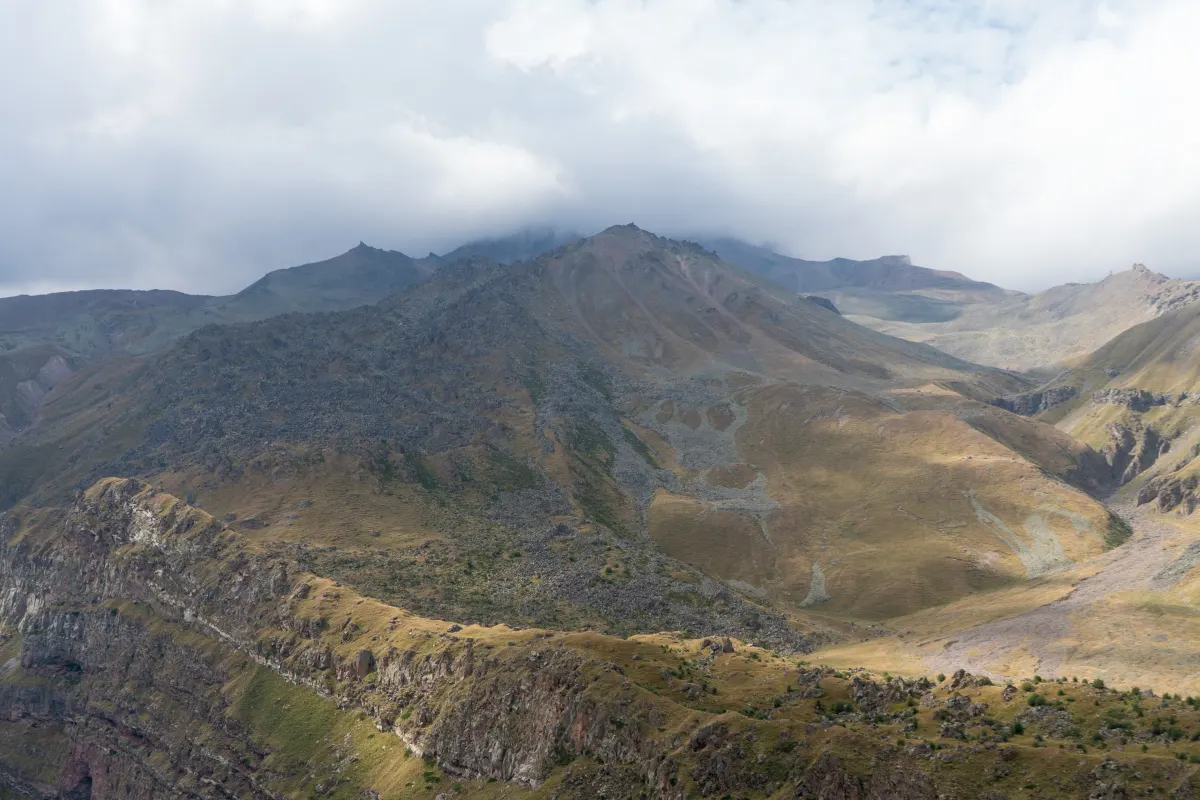
The Greater Caucasus, along Georgia's northern border, has some of the best walking in Europe: stone tower villages, glaciers, high meadows and peaks over 5,000 metres, with guesthouses in the villages so you don't need a tent. The two easiest regions to reach are Svaneti, in the north-west, and Kazbegi, three hours north of Tbilisi.
When to go
- The main trekking season in the high mountains is from late June to September. Before that, there's still snow on the passes, and rivers fed by melting snow are high; in October, the weather turns and the first snow can fall.
- Lower valley walks, and the towns, are pleasant from May to October.
- Even in summer, mountain weather changes fast: afternoon thunderstorms are common, and it can snow at the passes. Start early, and carry warm and waterproof clothes.
Svaneti: Mestia to Ushguli
The classic trek in Georgia is the walk from Mestia to Ushguli, about 55 kilometres over four days, sleeping in guesthouses in the villages of Zhabeshi, Adishi and Iprari or Khalde. See Svaneti and Ushguli.
- The hardest day crosses the river below the Adishi glacier, which has no bridge: in summer, horsemen usually wait to take walkers across for a fee. It's dangerous to wade when the river is high, especially in the afternoon. Then the path climbs to the Chkhutnieri Pass, at about 2,650 metres.
- The last day follows the road to Ushguli, which is now paved, so many people take a car for that part.
- Other walks from Mestia include the Chalaadi glacier and the Koruldi lakes, and from Ushguli the walk up towards the Shkhara glacier, below Georgia's highest mountain.

Svaneti and Ushguli
A remote mountain region in the Caucasus with medieval stone defensive towers in every village, a UNESCO World Heritage Site.
Kazbegi
- From Stepantsminda, walk up to the Gergeti Trinity Church, about 1.5 to 2 hours, and on to the viewpoints and the Gergeti glacier below Mount Kazbek, a long, steep day.
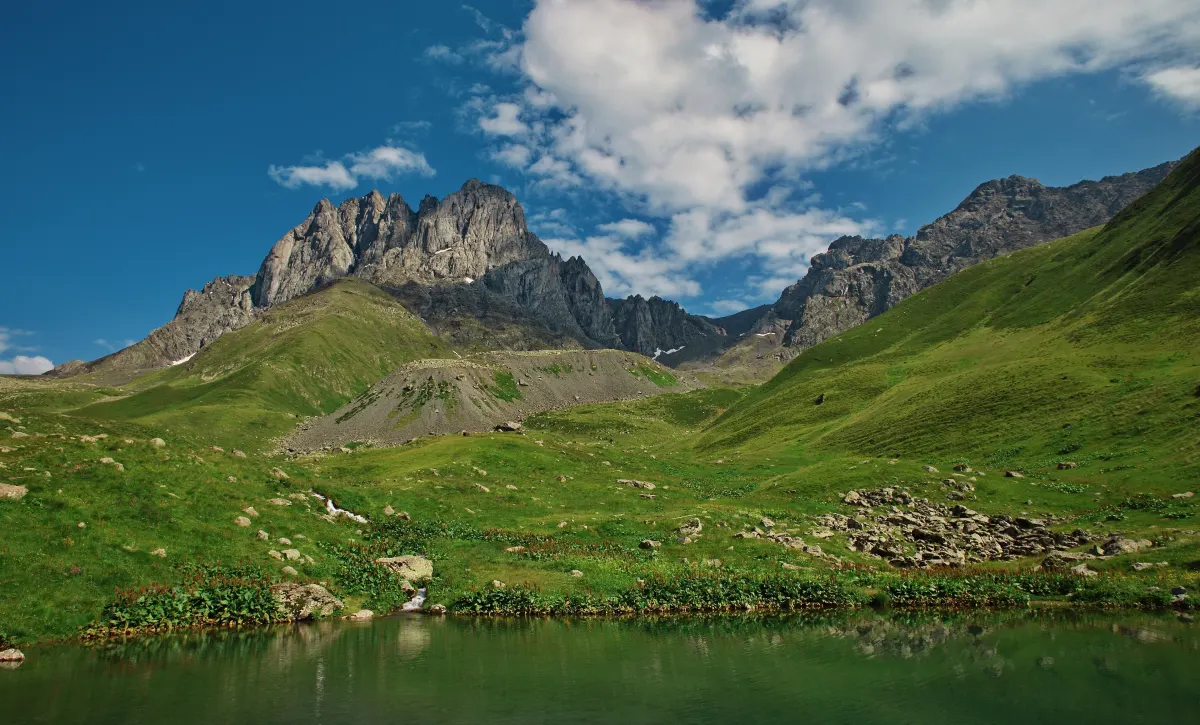
- The Juta valley, a short drive away, has an easy walk to the meadows below the jagged Chaukhi peaks, and a harder one over the Chaukhi Pass to Roshka. The Truso valley is a gentle walk past mineral springs and abandoned villages, but it runs towards South Ossetia: stay on the track and turn back where the guards tell you.
- Climbing Mount Kazbek (about 5,050 metres) is a serious glacier climb at altitude, best done with a guide. It's in the border zone, so climbers need a permit from the border police; local guides and guesthouses in Stepantsminda know the current procedure.
Trail marking and maps
- The most popular routes, including Mestia to Ushguli and the main Kazbegi walks, are marked with paint on rocks and posts, and are easy to follow in good weather. Many others are marked only in places, or not at all.
- Download an offline map with the hiking trails before you go, and carry a power bank: there's no signal on many passes. See Phones and apps.
- National park visitor centres, in Mestia, Stepantsminda and elsewhere, have maps and current advice. In some parks, such as Borjomi-Kharagauli and Lagodekhi, you must register at the visitor centre before you walk.
Staying safe and mountain rescue
- There's no national system for registering a trek. Tell your guesthouse, or someone at home, your route and when you'll be back, and when to call for help if you're not.
- In an emergency, call 112, or use the SOS button in the 112 Georgia app, which sends your location. Rescue teams exist, but in the mountains help can take a long time to arrive.
- Make sure your insurance covers trekking at the altitudes you're going to, and helicopter rescue: see Arriving in Georgia.
- Remote areas near the borders, such as Tusheti, Khevsureti and the high valleys of Kazbegi, have border police posts: carry your passport.
- Keep away from flocks of sheep guarded by big shepherd dogs, and from stray dogs: see Health.
- For more remote treks, such as the routes in Tusheti, or between Tusheti and Khevsureti, go with a guide or an experienced group.
See also: Weather and when to go and the itinerary Two weeks in Georgia, with three days in Svaneti.


Comments
No comments yet.