
Safety in Turkey: travel warnings, border areas, scams, laws and earthquakes
Millions of people visit Turkey every year without trouble, and most of the country, including Istanbul, Cappadocia and the coasts, is no more dangerous than much of Europe. But there are a few areas to avoid, a risk of terrorism, and scams aimed at tourists to look out for. Check your government's latest travel advice before you go, and again just before you leave.
What governments advise
- In November 2026, the UK government advised against all travel to within 10 km of the border with Syria, because of fighting and the risk of terrorism. The Australian, American and Canadian governments give similar warnings for the border areas, and advise travellers to take extra care in the rest of Turkey.
- Border areas of Hakkari province, near Iraq and Iran, need permission from the local governor's office, and climbing Mount Ararat, a military zone, needs a permit.
- Regional conflicts in the Middle East can lead to cancelled flights or airspace closures at short notice.
- Your travel insurance may not cover you in an area your government advises against.
- Read the official advice: the UK, USA, Australia and Canada.
Terrorism and protests
- Terrorists are likely to try to carry out attacks in Turkey, most often in the southeast, Ankara and Istanbul, and there have been attacks in recent years. Be alert in crowded places, and follow the instructions of the police.
- Protests and demonstrations are common in Istanbul and other cities, and the police use tear gas and water cannon. Keep away from them, and leave the area if one starts.
Scams and crime
- The bar bill: a friendly stranger, often a man on his own, suggests a drink at a bar or nightclub, perhaps with some women joining you. The bill is enormous, and you may be threatened until you pay. Choose your own bars, and be wary of invitations from people you've just met, especially around Taksim and Sultanahmet in Istanbul.
- The shoe-shine trick: a shoe-shiner drops his brush in front of you; when you pick it up for him, he offers to shine your shoes for "free", then asks for a lot of money.
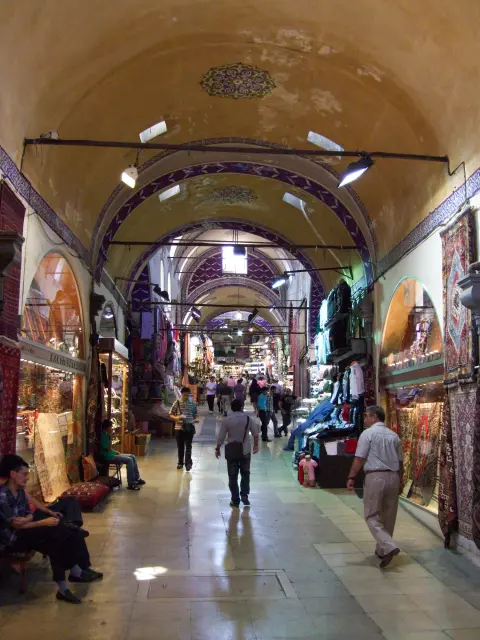
- Carpet shops: someone who befriends you in the street, offers to show you the way or practise their English, often leads you to a relative's carpet shop. Shop where you choose.
- Taxis: insist on the meter, watch the notes you pay with (swapping a 200-lira note for a 20 and saying you've underpaid is an old trick), and use taxi apps or ask your hotel to book. Don't take unofficial lifts.
- Drink spiking: buy your own drinks, watch them being made, and keep them with you.
- Fake alcohol: there have been deaths from methanol in illegal and counterfeit spirits, in cities including Istanbul and Ankara. Drink in reputable bars, and be wary of cheap spirits or bottles that look tampered with.
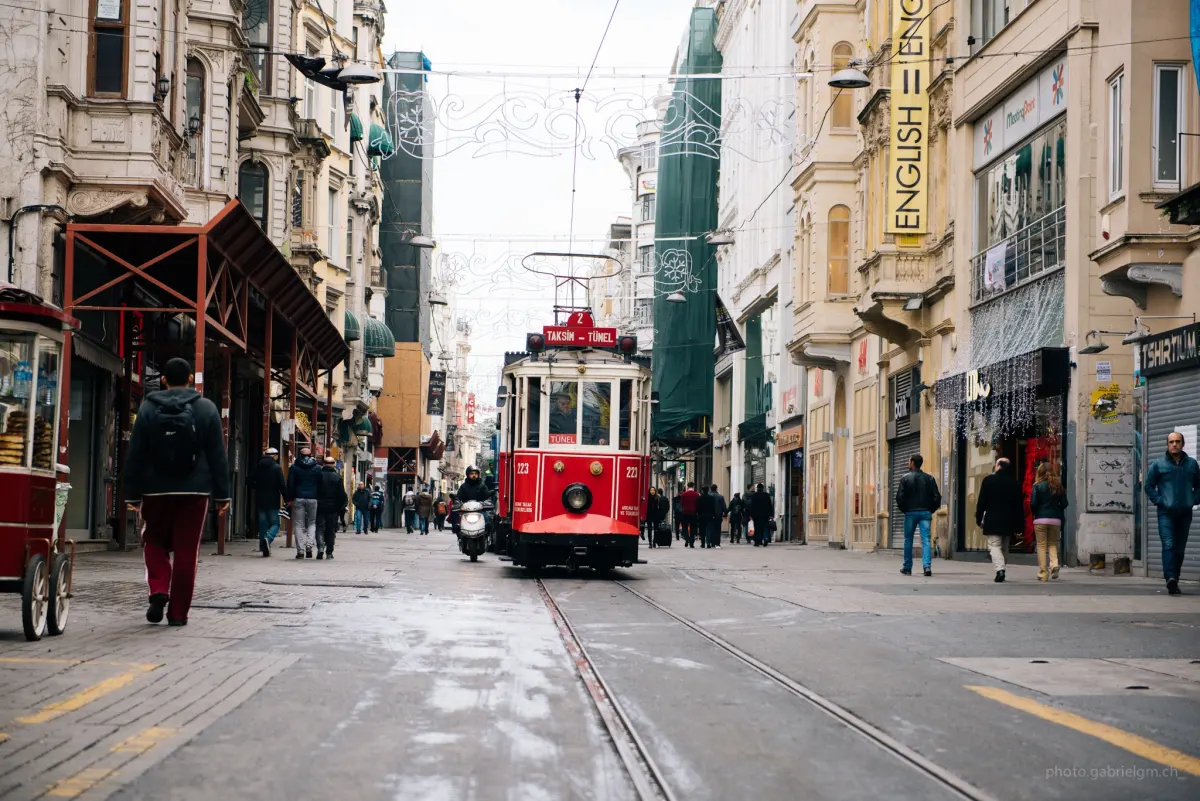
- Pickpockets work in crowded places in Istanbul, such as the Grand Bazaar, trams and İstiklal Caddesi.
Laws to know
- Carry photo ID at all times: your passport, or for some Europeans a national ID card. It's illegal not to.
- Insulting the Turkish nation, the flag, the President or Atatürk, the founder of the republic, is a crime, including online, with prison sentences. So is defacing banknotes.
- Drugs: sentences for possession or trafficking are long, from 4 to 24 years.
- Antiquities: buying or exporting them is illegal. See Arriving in Turkey.
- Photography: don't photograph military sites, police or officials. Ask before photographing people.
- Smoking is banned on public transport and in indoor public places.
- Same-sex relationships are legal but not recognised, and Pride events have been banned since 2015. Public displays of affection may attract attention outside the cities and resorts.
Other risks
- Stray dogs: there are many, mostly harmless, but packs can be aggressive. If you're bitten or scratched, see a doctor the same day: see Health in Turkey.
- Adventure activities: paragliding, quad biking and jeep safaris have caused deaths and injuries. Use licensed operators, check your insurance covers it, and wear a helmet on a scooter or motorbike.
- The sea: swim where there are lifeguards, and don't swim when the red flag is flying.
- Earthquakes and wildfires: see Weather and seasons. Learn the "drop, cover and hold on" advice, and follow AFAD and local instructions.
- Women travelling alone are usually safe, but may get unwanted attention, especially in resorts. Most reported sexual assaults on British visitors happen in the coastal resorts, often involving alcohol.
Emergencies
- Call 112 for an ambulance, the police, the gendarmerie or the fire service.
- Istanbul and some of the big resorts have tourist police, used to dealing with visitors.
- Know where your embassy or consulate is: many countries have an embassy in Ankara and a consulate in Istanbul.
See also: Health in Turkey and Culture and etiquette.

Comments
No comments yet.