
Getting around Turkey: domestic flights, high-speed trains, buses, Istanbulkart and driving
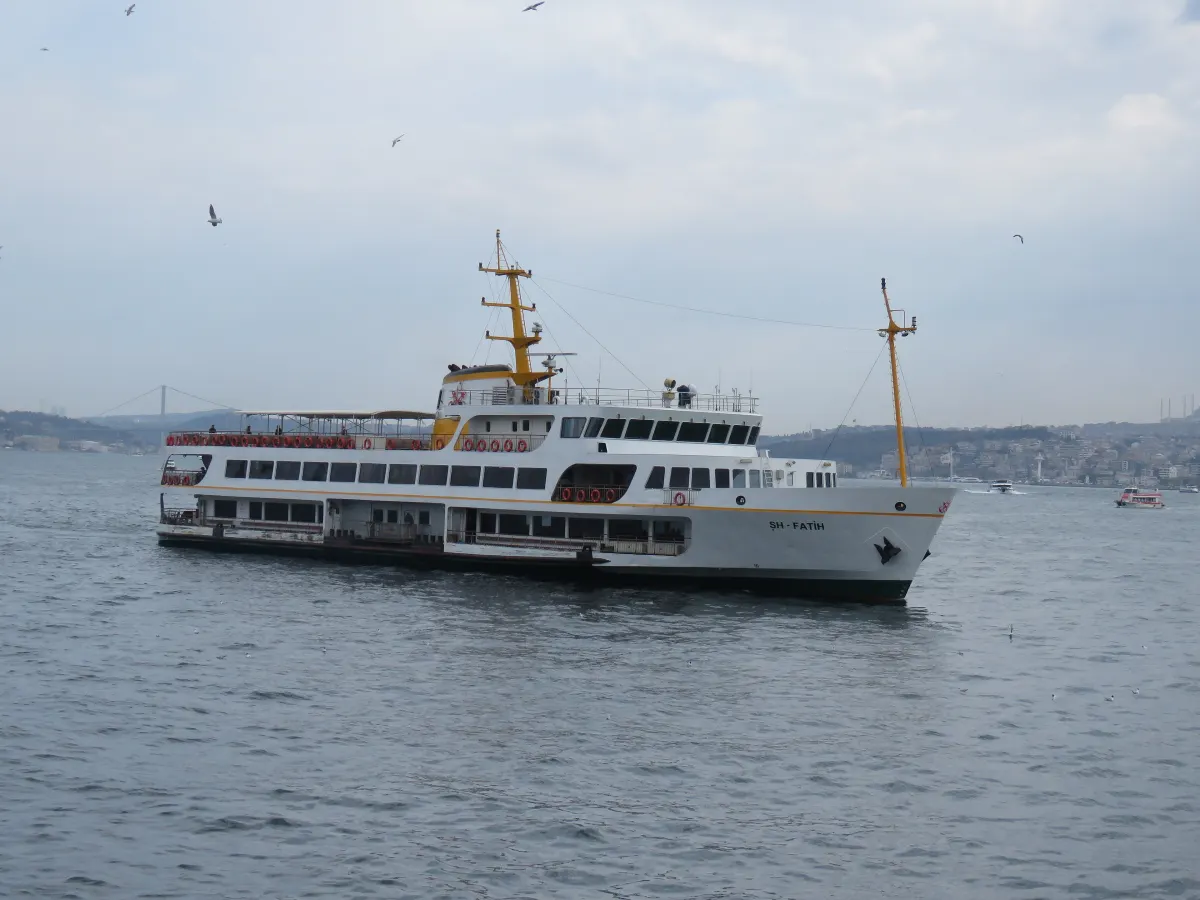
Turkey is big: Istanbul to Cappadocia is about 750 km by road, and Istanbul to the Turquoise Coast nearly as far. Most visitors fly the long distances, and use buses, minibuses or a hire car in between. The high-speed trains are excellent, but they serve only a few cities.
Domestic flights
- Flights are frequent and often cheap, from both Istanbul airports to all the main cities and tourist areas: Kayseri and Nevşehir (Kapadokya) for Cappadocia, İzmir for Ephesus, Denizli for Pamukkale, Dalaman for Fethiye, and Antalya.
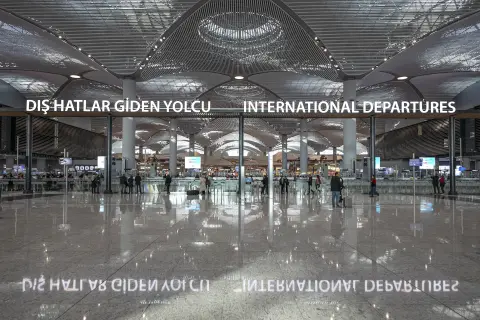
- Istanbul has two airports, a long way apart: Istanbul Airport (IST), on the European side, and Sabiha Gökçen (SAW), on the Asian side. Check which one your flight uses, and allow two hours or more to get from one to the other.
- Many routes go through Istanbul or Ankara, so Cappadocia to the coast is often two flights. Cheap tickets usually include only hand luggage: check the baggage allowance.
- Airport security is strict, and there's often a security check at the entrance to the terminal as well as at the gate: arrive early.
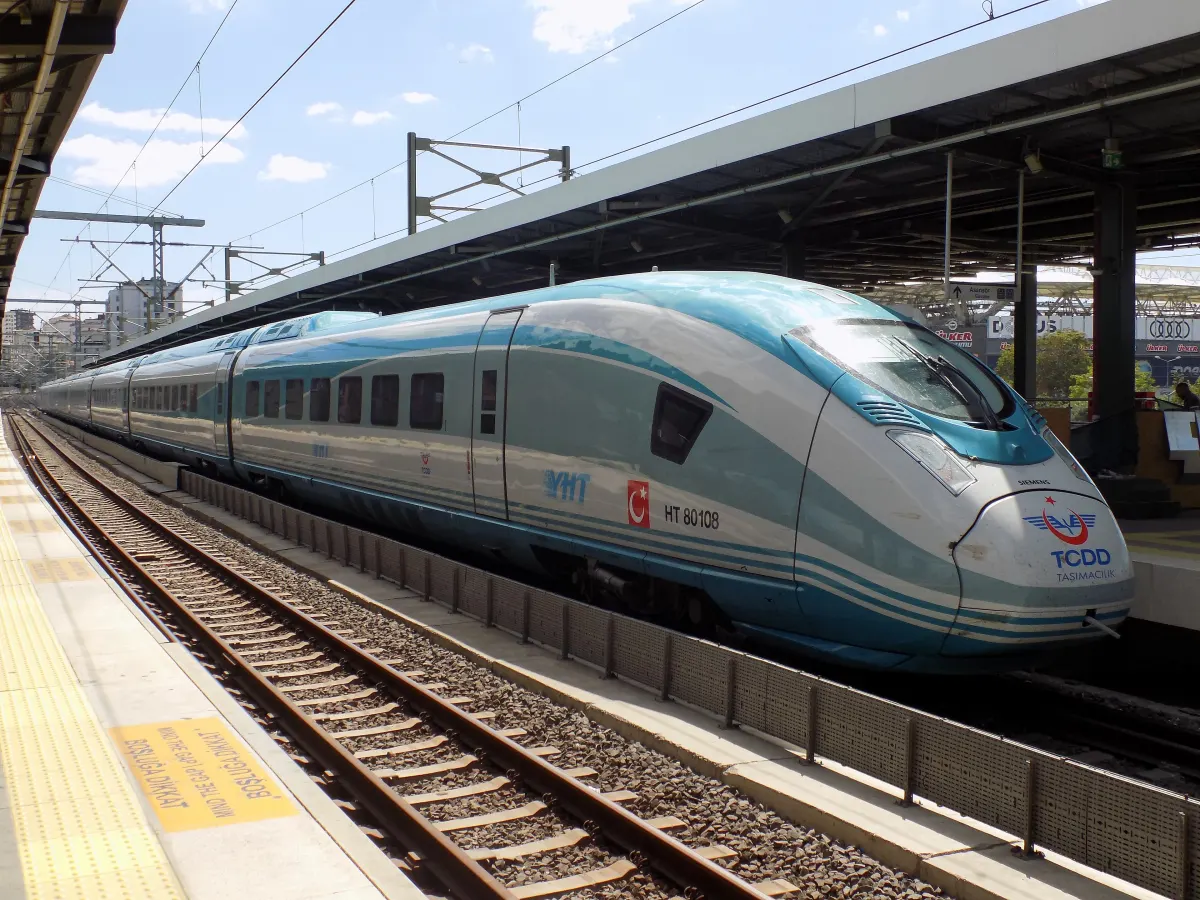
High-speed trains (YHT)
- The state railway, TCDD Taşımacılık, runs fast, comfortable YHT trains between Istanbul and Ankara (via Eskişehir), Ankara and Konya, Istanbul and Konya, and on to Sivas and Karaman. Istanbul's YHT stations are on the Asian side (Pendik and Söğütlüçeşme) and the European side (Bakırköy and Halkalı).
- Istanbul to Ankara takes about four to five hours, depending on the station and train, and Ankara to Konya under two hours.
- Book on the official site, ebilet.tcddtasimacilik.gov.tr, or its app, as early as you can: trains fill up, especially at weekends and holidays.
- There's no fast train to Cappadocia, Ephesus or the coast yet: a high-speed line from Ankara to İzmir is being built. Slower trains do run, such as the Doğu Ekspresi sleeper from Ankara to Kars, which is popular and sells out quickly.
Long-distance buses
- Buses (otobüs) go everywhere, often overnight, and the big companies' coaches are comfortable, with reclining seats, and drinks and snacks served on board. Most towns have a bus station, the otogar, usually outside the centre; many companies run free minibuses (servis) between the otogar and the town.
- Buy tickets at the otogar, from the companies' offices and websites, or on ticket comparison sites and apps. You often choose your seat: unrelated men and women usually aren't seated next to each other.
- Overnight buses save a night's hotel, such as from Cappadocia to Pamukkale or the coast, but they're tiring: a cheap flight can be better value.
- For short trips, dolmuş minibuses run on fixed routes and leave when they're full, such as from Fethiye to Ölüdeniz, or Selçuk to Ephesus. Pay the driver in cash.
Getting around Istanbul
- Buy an Istanbulkart, the city's rechargeable transport card, from the machines at metro, tram and ferry stations, or a kiosk. The card itself costs a small non-refundable fee (165 lira in 2026), then you top it up. One card can be used by several people travelling together: tap it once for each person.
- It works on the metro, trams, buses, Marmaray trains, the funiculars, and the public ferries across the Bosphorus and Golden Horn, which are one of the best things to do in the city: see Bosphorus ferry cruise. Fares are much cheaper with the card than with single tickets, and there's a discount for changing within a couple of hours.
- Many gates now also take contactless bank cards, but not all of them, and you may pay more. Keep an Istanbulkart as a backup.
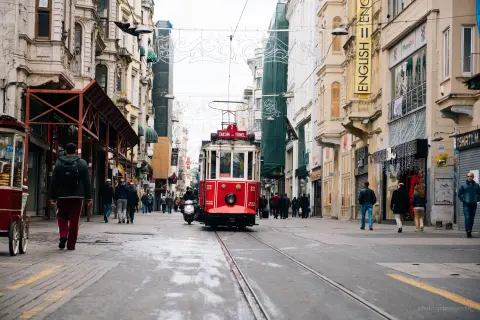
- The T1 tram runs through the old city, past Sultanahmet, the Grand Bazaar and Eminönü, and on to Kabataş. Marmaray trains run under the Bosphorus between Europe and Asia.
- From Istanbul Airport, the M11 metro and the Havaist airport buses run to the city; from Sabiha Gökçen, there's a metro line and Havabus buses. Allow at least an hour or so to the old city, and longer in traffic.
- Taxis should use the meter: insist on it, or agree the fare first. Taxi apps are often easier than hailing one in the street. Traffic is heavy at rush hours: the tram, metro or ferry is often quicker.
Driving
- A hire car is the best way to explore Cappadocia's valleys, the Aegean ruins and the Turquoise Coast, where the roads are generally good. Don't drive in Istanbul if you can help it.
- You need your licence and, for many nationalities, an International Driving Permit: the UK government says British drivers need a 1968 IDP or a notarised Turkish translation of their licence. Check with the hire company.
- Most motorways and the big Bosphorus bridges are tolled electronically through an HGS sticker on the windscreen: hire cars usually have one, and the company charges you the tolls afterwards. Ask when you pick up the car.
- Drive defensively: accidents are common, overtaking can be risky, and mountain roads are winding. Slow down for police and gendarmerie checkpoints, and carry your passport and the car's papers. Don't drink and drive at all.
- Fuel stations are plentiful, and most take cards; many are open around the clock.
See also: Where to go in Turkey and the itineraries: 7 days in Istanbul and Cappadocia, two weeks in Turkey and the Lycian coast.

Comments
No comments yet.