
Weather and seasons in Turkey: when to go to Istanbul, Cappadocia and the coast
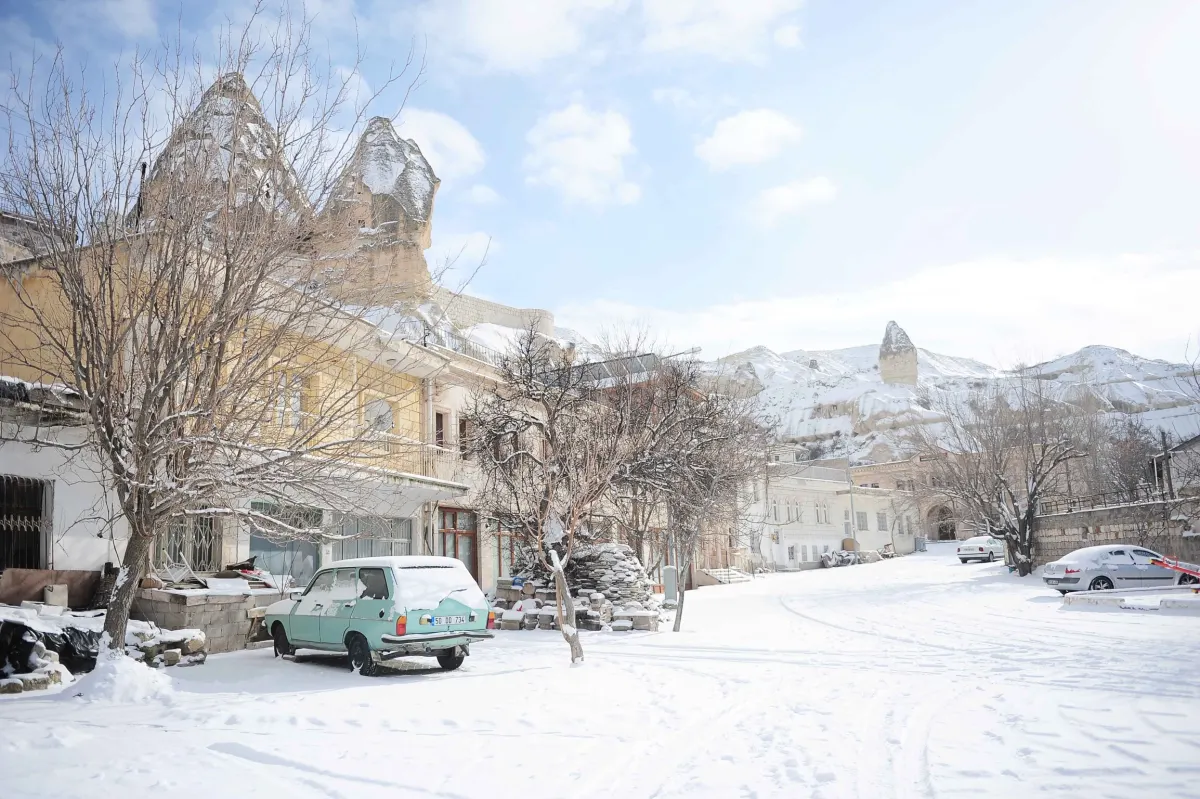
Turkey's weather varies a lot from place to place. The coasts have hot, dry summers and mild, wet winters; the high plateau of central Anatolia, including Cappadocia, has hot summers and cold, snowy winters; and the mountainous east is colder still. For most trips, spring and autumn are the best times.
The seasons
- Spring, April to early June: warm days, wild flowers, and fewer crowds. Good for Istanbul, Cappadocia and the ancient sites. The sea is still cool for swimming until about late May.
- Summer, mid-June to early September: hot and dry, and the peak season on the coast, with the highest prices. In Antalya, the average daily maximum in July and August is about 35°C, and it hardly rains at all. Inland sites such as Ephesus and Pamukkale are very hot by midday: visit early. Cappadocia averages about 29°C in the afternoons, with cool nights.
- Autumn, September to October: perhaps the best time of all. The sea is at its warmest, the coast is quieter, and it's pleasant for walking. Rain returns in November.
- Winter, December to March: cool and wet on the coast (Antalya gets most of its rain from December to February) and in Istanbul, where it sometimes snows. Cappadocia is cold, with average lows below freezing in January and February, and snow on the fairy chimneys, which is beautiful but grounds the balloons more often. Many coastal hotels and boat trips close for the winter. Mountain roads in the east can be closed by snow.
Figures are the Turkish State Meteorological Service's (MGM) averages for 1991–2020. Check its forecasts before you travel.
Heat and wildfires
- Summer heatwaves can push temperatures above 40°C, inland and on the coast. Walk and sightsee early and late, drink plenty, and see Health in Turkey.
- Wildfires are common in summer, especially in the forests along the Aegean and Mediterranean coasts. Never light fires or barbecues outside designated areas, and don't drop cigarettes: it's a crime, with fines or prison. Follow the instructions of the authorities if you're told to leave, and call 112 to report a fire.
Earthquakes
Turkey has frequent earthquakes, including the devastating ones of February 2023 in the southeast and a magnitude 6.2 quake in the Sea of Marmara, felt in Istanbul, in April 2025. Read what to do in an earthquake before you go, and follow the advice of AFAD, Turkey's disaster agency. See Safety in Turkey.
Holidays and busy times
- The two religious holidays, Ramazan Bayramı (at the end of Ramadan) and Kurban Bayramı, are the busiest times to travel in Turkey: buses, trains and flights fill up, hotels on the coast are full, and banks and offices close for several days. Their dates move about 11 days earlier each year. In 2027, Ramadan is expected to run from about 8 February to 8 March, with Ramazan Bayramı from about 9 to 11 March, and Kurban Bayramı in mid-May. See Culture and etiquette.
- Public holidays include New Year's Day, 23 April, 1 May, 19 May, 15 July, 30 August and 29 October (Republic Day).
- July and August are the school holidays, when Turkish families head to the coast too.
When to go where
- Istanbul: April to June and September to November.
- Cappadocia: April to June and September to October; winter for snow, if you don't mind the cold and the risk of no balloons.
- The Aegean and Mediterranean coasts: May to October for swimming; June and September are less crowded than July and August.
- Walking the Lycian Way or in the mountains: spring and autumn on the coast; July and August in the Kaçkar Mountains.
- The east: late spring to early autumn.
See also: Where to go in Turkey.

Comments
No comments yet.