
Money in Turkey: lira, inflation, cards, ATMs, euro museum prices, tipping and bargaining
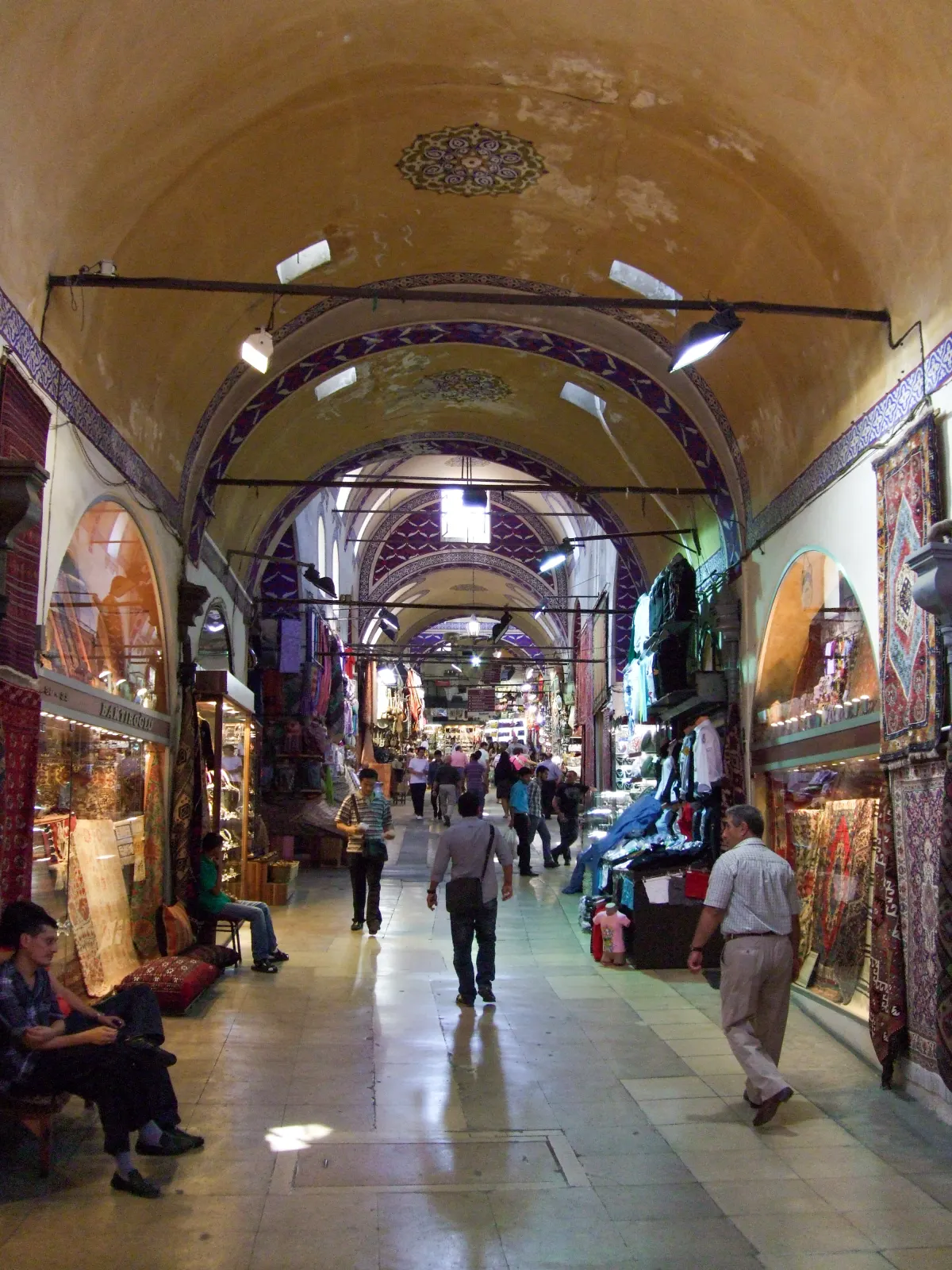
Turkey uses the Turkish lira (TRY, written ₺ or TL). Prices rise fast, so the prices you read in guidebooks and reviews are soon out of date, but cards are accepted almost everywhere in the cities and tourist areas. The big museums and ancient sites charge foreigners in euros.
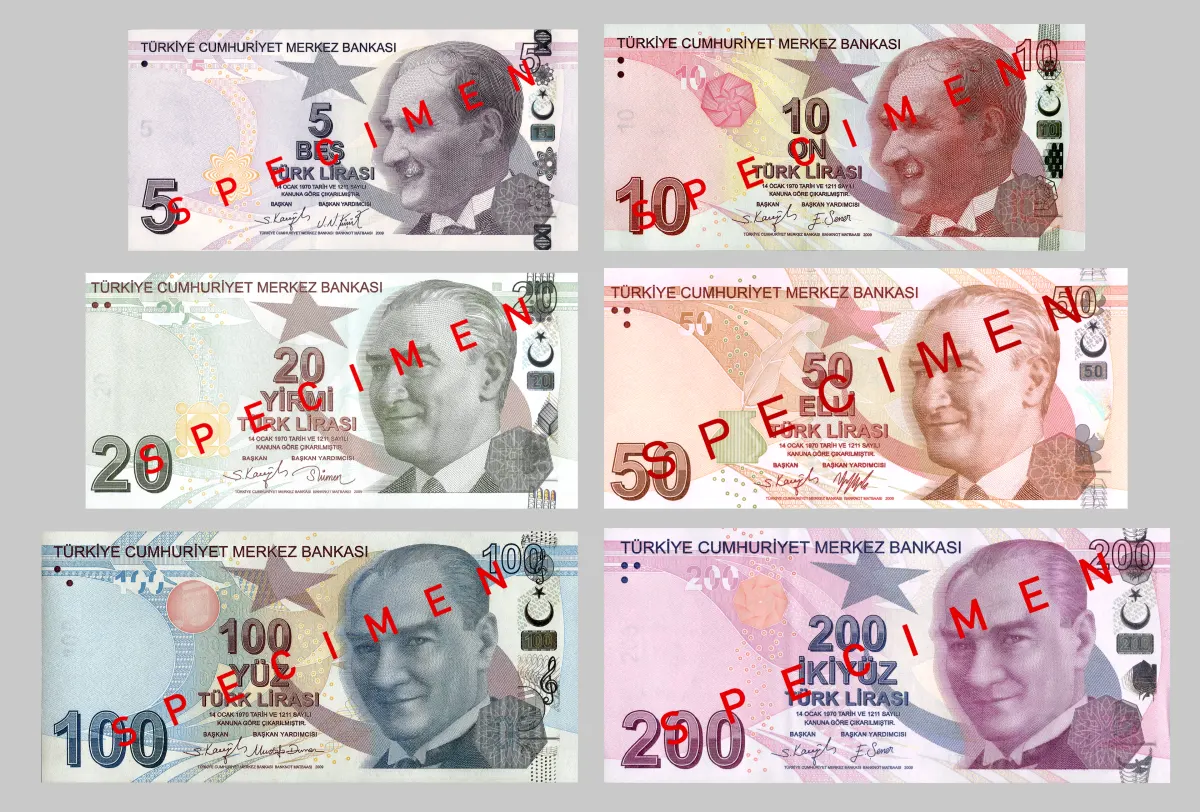
The lira and inflation
- In November 2026, a US dollar was worth about 50 lira and a euro about 55 lira, according to the Central Bank of Turkey. The lira has lost value against other currencies year after year.
- Prices in Turkey rose by about 30% in the year to October 2026. Expect restaurant, hotel and transport prices to be higher than those in reviews, even ones from last year.
- Many hotels, tour companies and balloon operators quote prices in euros or US dollars. You can usually pay in lira, or by card, at that day's rate.
- Don't change money before you go: the rates are better in Turkey. Exchange offices (döviz) in the cities usually give better rates than banks or airport counters, but compare the buying and selling rates.
Cards and ATMs
- Visa and Mastercard are accepted in most hotels, restaurants, shops and petrol stations, and contactless payment is common. Smaller places, markets, dolmuş minibuses and village cafés often want cash. American Express is less widely taken.
- ATMs are everywhere. Turkish banks often charge foreign cards a fee for each withdrawal, and limit how much you can take out at once, which varies by bank: compare the fee shown on the screen at a couple of different banks' ATMs.
- When a card machine or ATM offers to charge you in your home currency, choose lira. Converting at the machine ("dynamic currency conversion") usually costs several percent more.
- Avoid ATMs that don't belong to a bank, such as those in tourist areas run by private companies: they tend to be the most expensive.
- Carry some cash for small purchases, tips and toilets, and keep it in more than one place.
Museums and ancient sites
- The Ministry of Culture's museums and archaeological sites charge foreign visitors in euros, paid by card or in lira. In late 2026, for example, Ephesus was €40 and Pamukkale-Hierapolis €30 on the official site, muze.gov.tr, where you can buy tickets ahead.
- Museum passes: the MuseumPass Türkiye (€165 in late 2026) covers more than 350 of the Ministry's museums and sites for 15 days from the first visit, and the MuseumPass İstanbul (€105) 13 Istanbul museums for five days. Each museum can be entered once. They also save queuing. Work out whether you'll visit enough sites to make one worth it.
- Hagia Sophia is a working mosque, free for worshippers, but foreign visitors pay to see the galleries and mosaics on a separate route, reported at €25 in 2026. Topkapı Palace, and private sites such as some Istanbul palaces and museums, have their own prices.
Tipping
- Restaurants: about 10% is usual in restaurants with table service, unless a service charge (servis ücreti) is already on the bill. Leaving a tip in cash makes sure the staff get it.
- Taxis: round up the fare.
- Hotel porters, hamams and guides: a small tip is welcome. For a day tour, tip the guide and driver if you were happy.
- Public toilets often charge a small fee, in cash.
Bargaining
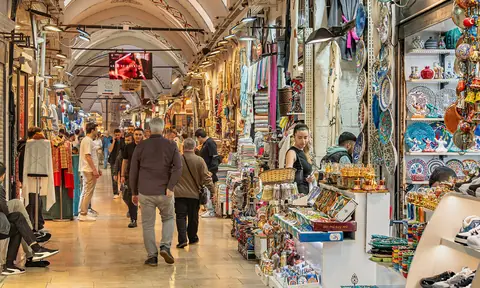
- Bargaining is normal in bazaars, such as the Grand Bazaar, and for carpets, ceramics, jewellery and souvenirs, but not in shops with fixed prices, restaurants or supermarkets.
- Know roughly what something is worth before you start, be friendly, and walk away if the price isn't right. Don't start haggling unless you're willing to buy.
- Be wary of anyone who befriends you in the street and takes you to a carpet shop: see Safety in Turkey. Keep receipts for carpets and antiques for customs.
Shopping
Grand Bazaar, Istanbul
Fatih, İstanbul
One of the oldest and largest covered markets in the world, begun in 1461.
See also: Arriving in Turkey and Phones and apps.
Comments
No comments yet.