
Culture and etiquette in Turkey: hospitality, visiting mosques, Ramadan and the hamam
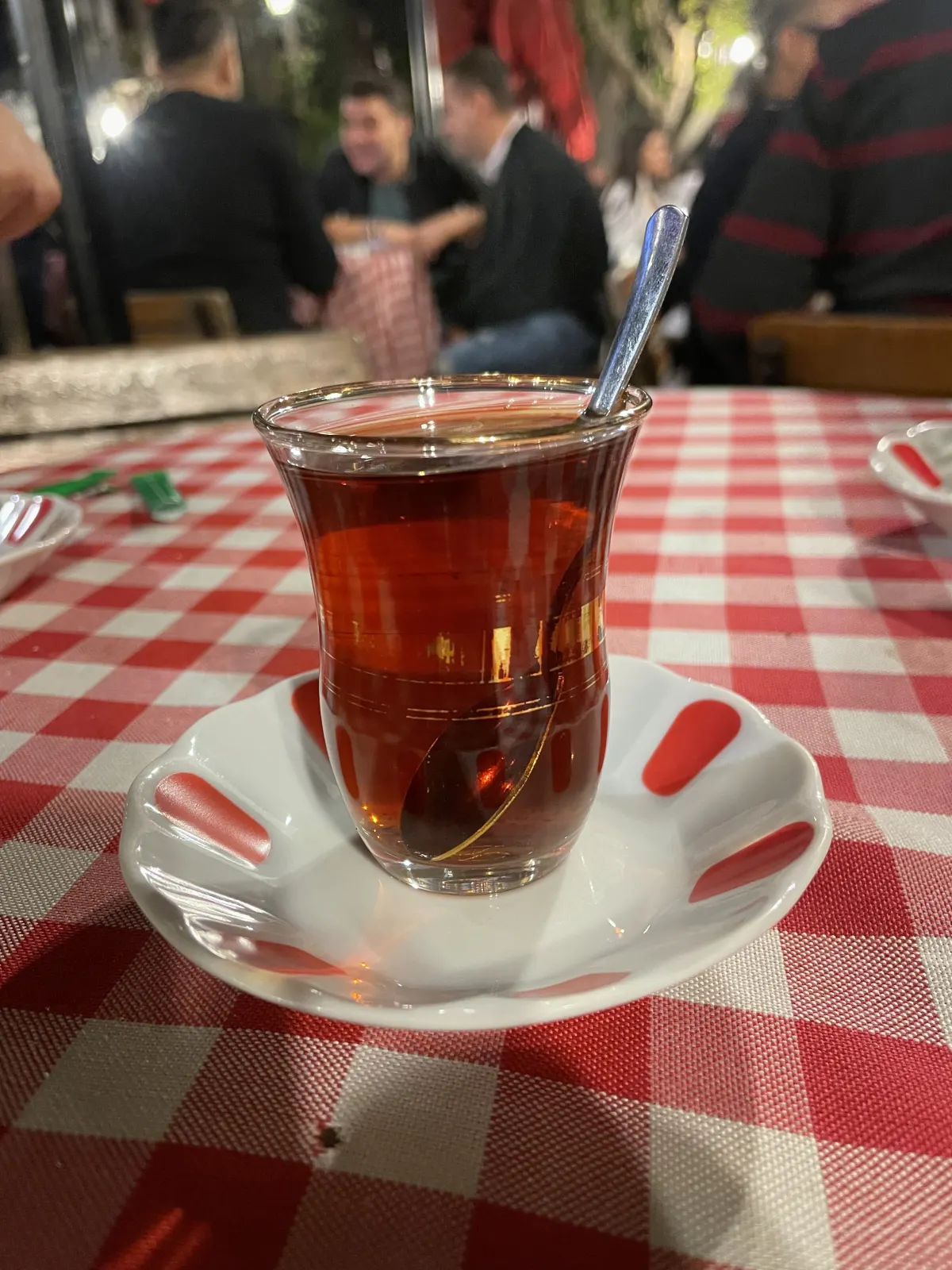
Turks are famously hospitable, and visitors are welcomed warmly almost everywhere. Turkey is a secular republic with a mostly Muslim population, and it ranges from liberal, cosmopolitan Istanbul and the beach resorts to conservative small towns in the interior and the east. A little knowledge of local customs goes a long way.
Hospitality
- You'll be offered tea, in shops, carpet stores, homes and even offices. Accepting a glass is polite, and doesn't oblige you to buy anything.
- If you're invited to someone's home, take off your shoes at the door, and bring something small, such as pastries or sweets from a good shop.
- Turks are proud of their country and its food: praise is always welcome. Avoid criticising Atatürk, the founder of the republic, whose portrait you'll see everywhere: insulting him is a crime. See Safety in Turkey.
- Politics, religion, and topics such as the Kurdish question, Cyprus and Armenia are best left alone unless your host brings them up.
What to wear
- In Istanbul, the big cities and the resorts, dress as you would in southern Europe. Swimwear is for the beach and the pool only.
- In small towns, the interior and the east, more modest clothes, covering the shoulders and knees, are more comfortable and attract less attention.
- Topless sunbathing isn't acceptable on most beaches.
Visiting a mosque
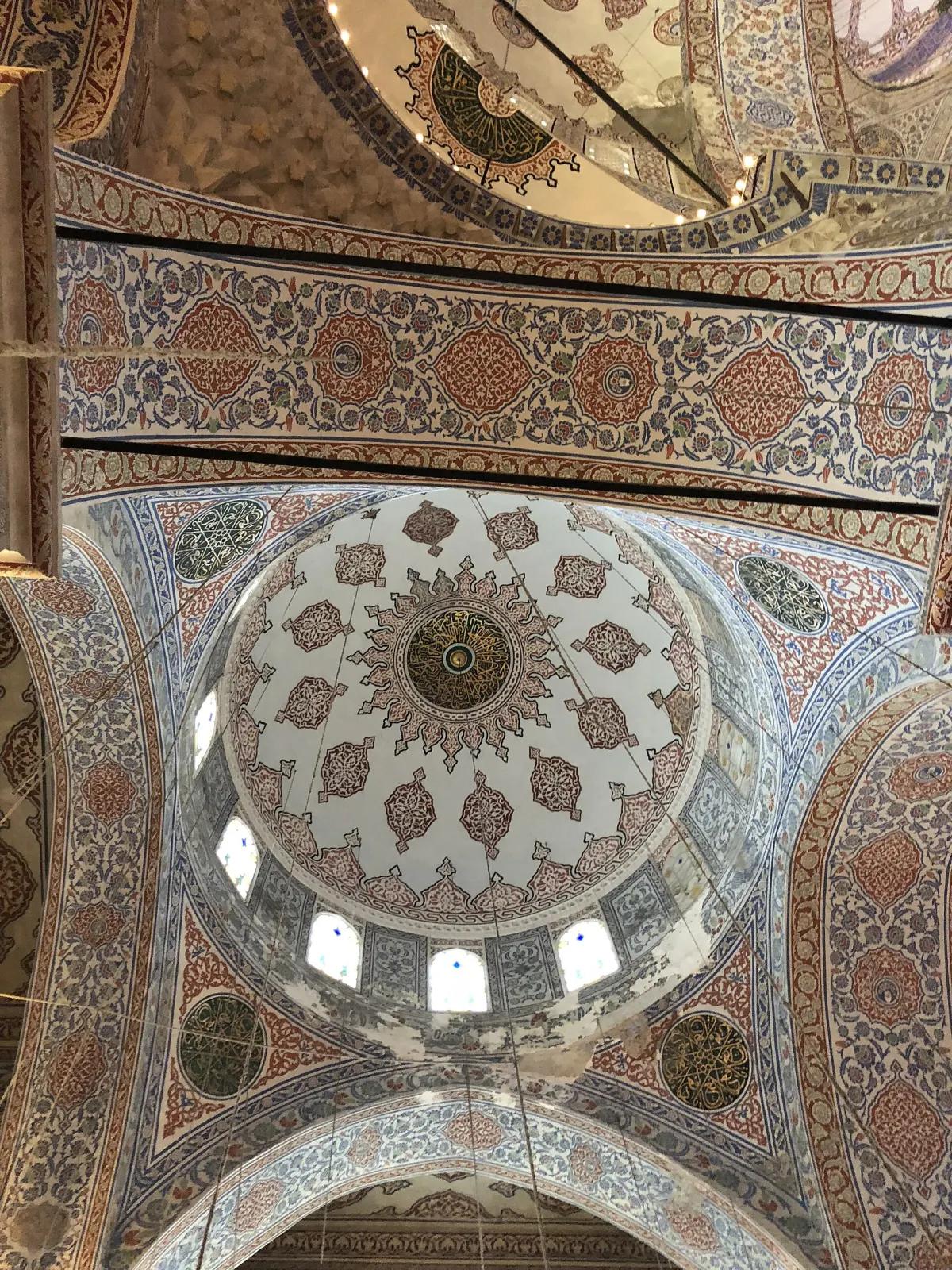
- Most mosques welcome visitors outside prayer times. They close to visitors for about half an hour at each of the five daily prayers, and for longer at Friday midday prayers: check the times posted at the entrance.
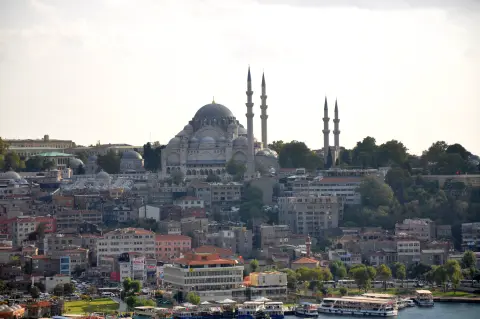
- Cover up: women should cover their hair, shoulders and legs; men should wear long trousers or shorts below the knee, and cover their shoulders. Big mosques such as the Blue Mosque and Hagia Sophia lend headscarves and wraps, but bring a scarf.
- Take off your shoes at the entrance and carry them in a bag, or leave them on the racks.
- Keep your voice down, don't walk in front of people praying, and stay out of the areas set aside for worshippers. Photographs are usually allowed, but not of people praying, and never with flash.
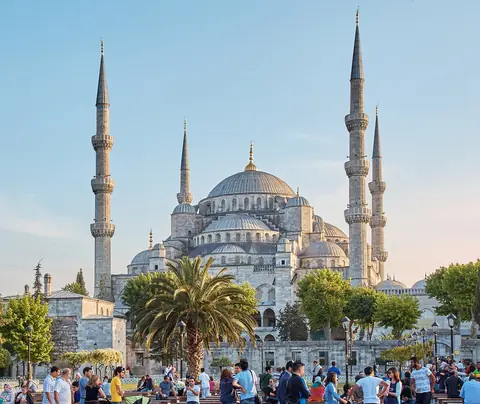
Blue Mosque (Sultan Ahmed Mosque), Istanbul
Built between 1609 and 1616, the Sultan Ahmed Mosque is famous for its six minarets, its cascading domes and the more than 20,000 blue İznik tiles th…

Hagia Sophia, Istanbul
Built as a cathedral by the Byzantine emperor Justinian in 537, later a mosque, then a museum, and again a mosque since 2020, with a vast dome that s…
Ramadan
- During Ramadan (Ramazan), many Muslims fast from dawn to sunset. In 2027 it's expected to run from about 8 February to 8 March, depending on the moon.
- In Istanbul, the resorts and most tourist areas, life goes on much as normal, and restaurants and cafés stay open in the daytime. In conservative towns and the east, some restaurants close or open only in the evening.
- It's respectful not to eat, drink or smoke conspicuously in public in the daytime, especially in conservative areas.
- At sunset, the fast is broken with iftar: restaurants fill up, and some towns set up public iftar tables or festivals in the squares. It's a lovely time to be out. In some neighbourhoods drummers walk the streets before dawn to wake people for the pre-dawn meal, sahur.
- The end of Ramadan is celebrated with a three-day holiday, Ramazan Bayramı or Şeker Bayramı (the "sugar holiday"), and about two months later comes the four-day Kurban Bayramı. Transport and hotels are very busy at both: book ahead. See Weather and seasons.
The hamam
A Turkish bath is a great experience: you sweat on a warm marble platform, then an attendant scrubs and soaps you. Historic hamams in Istanbul are beautiful but expensive; local ones are cheaper. Men and women bathe separately, or at different times, except in some tourist hamams. Keep the cloth (peştamal) you're given on.
The whirling dervishes
The sema of the Mevlevi dervishes is a religious ceremony, not a show. Watch in silence, don't clap, and don't take photographs unless you're told you can. The best place to see one is Konya, especially in December, for the anniversary of Rumi's death.
A few words of Turkish
- Merhaba: hello.
- Teşekkür ederim, or the simpler sağ olun: thank you.
- Lütfen: please.
- Evet / hayır: yes / no. Turks often say no by raising their eyebrows and clicking their tongue.
- Ne kadar?: how much?
- Hesap, lütfen: the bill, please.
- Afiyet olsun: enjoy your meal.
English is widely spoken in tourist areas, much less elsewhere: a translation app helps. See Phones and apps.
Comments
No comments yet.