
Health in Turkey: insurance, pharmacies, stray dogs and rabies, ticks, heat and water
Turkey has good private hospitals in the cities and resorts, and well-stocked pharmacies everywhere. The main risks for visitors are the summer heat, accidents, an upset stomach, and animal bites. Check the vaccinations you need with your doctor or a travel clinic, such as the UK's TravelHealthPro, at least eight weeks before you go.
Insurance and hospitals
- Get travel insurance with medical cover. The UK's GHIC and the EU's EHIC aren't valid in Turkey, and private hospitals expect payment or a guarantee from your insurer before treatment.
- Public hospitals (devlet hastanesi) are cheaper, but busy, and staff may not speak English. Private hospitals in the cities and resorts are used to foreign patients. Many have international departments.
- For an ambulance, call 112.
Pharmacies and medicines
- Pharmacies (eczane, with a red "E" sign) are everywhere, and pharmacists can advise on minor problems. At night and on Sundays, each area has a duty pharmacy (nöbetçi eczane): the address is posted in the window of every pharmacy.
- Prescriptions from other countries aren't accepted, and some common medicines are controlled in Turkey. Bring enough of your own, in their original packaging, with a copy of your prescription, and check the rules for controlled medicines on Turkey's customs guide, gumrukrehberi.gov.tr.
Rabies and stray animals
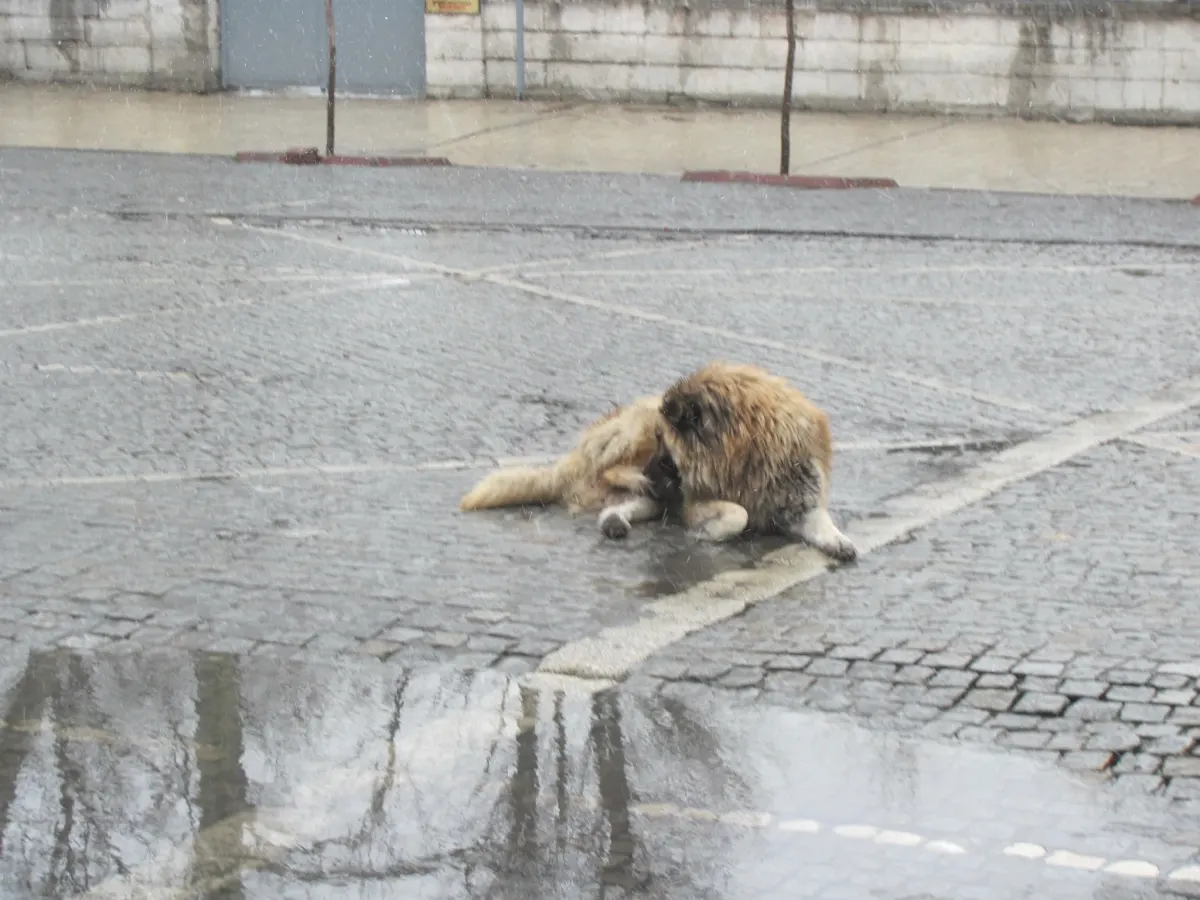
- Rabies is present in Turkey. There are many stray dogs and cats, mostly friendly, but don't touch or feed them.
- If you're bitten, scratched or licked on broken skin by any animal, wash the wound with soap and running water for 15 minutes, and see a doctor the same day for rabies treatment, even if you've been vaccinated. Ask your doctor at home whether a rabies vaccination before you go is worth it, especially for long trips, cycling or rural travel.
Ticks and insects
- Ticks in the countryside can carry diseases, including Crimean-Congo haemorrhagic fever, which occurs in parts of rural Anatolia, mainly from spring to autumn. When walking in grassland or forest, wear long trousers, use insect repellent, check yourself for ticks every day, and remove them carefully. See a doctor if you get a fever after a tick bite.
- Mosquitoes are a nuisance in summer on the coast, especially near rivers and wetlands, such as Dalyan. Use repellent in the evenings.
Heat and sun
- Summer temperatures often reach 35°C or more on the coast and at sites such as Ephesus and Pamukkale, where there's little shade. Visit early in the morning, wear a hat and sun cream, and drink plenty of water.
- The sun reflects off the white travertines at Pamukkale: bring sunglasses.
Water and food
- Tap water in the cities is treated, but most people, Turks included, drink bottled or filtered water, which is cheap everywhere.
- Food is generally safe: eat in busy places, and be careful with salads and raw shellfish in the heat. Carry rehydration salts for an upset stomach.
Medical and dental tourism
Many people travel to Turkey for cosmetic surgery, hair transplants and dental work. Research the clinic and surgeon thoroughly, and read your government's advice first: the UK government reports that several British people have died after medical procedures in Turkey in recent years. Don't fly too soon afterwards, and check what aftercare you'll get at home.
Altitude
Mount Ararat and the high mountains of the east, such as the Kaçkar range, are high enough for altitude sickness. Climb slowly.
See also: Safety in Turkey and Weather and seasons.
Comments
No comments yet.