
Food and drink in Vietnam: what to try, street food, coffee, water and ice
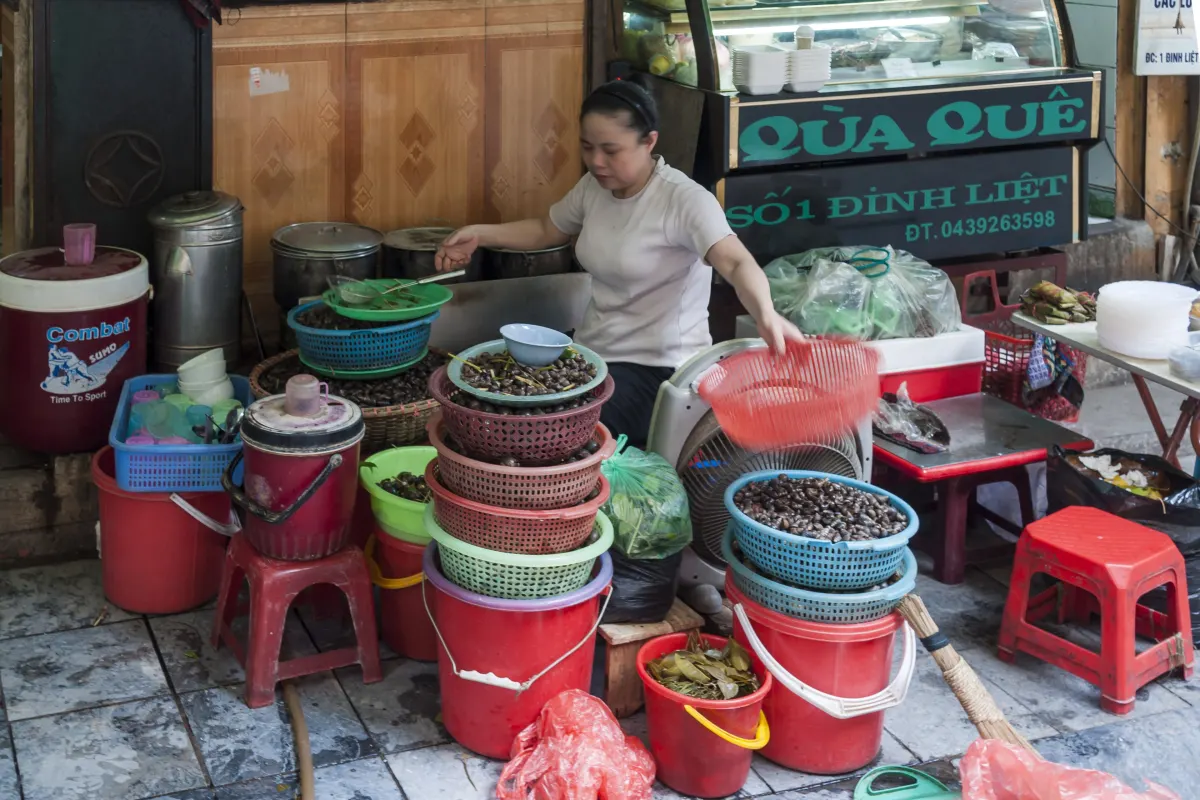
Vietnamese food is one of the best reasons to visit: fresh, full of herbs, cheap and everywhere. Each region has its own dishes, and the best of them are often found at a plastic table on the pavement rather than in a restaurant.
Dishes to try
In the north (Hanoi)
- Phở: rice noodle soup with beef (phở bò) or chicken (phở gà), mostly eaten for breakfast.
- Bún chả: grilled pork patties and belly in a sweet and sour broth, with rice noodles and herbs. A Hanoi lunch.
- Chả cá: fish fried with turmeric and dill at your table. Bánh cuốn: steamed rice rolls filled with pork and mushrooms.
- Egg coffee (cà phê trứng): coffee topped with whipped egg yolk and sugar, invented in Hanoi.
In the centre (Huế, Hội An, Đà Nẵng)
- Bún bò Huế: spicy beef and lemongrass noodle soup.
- Cao lầu: chewy noodles with pork and greens, only made in Hội An. Mì Quảng: turmeric noodles with a little broth.
- Bánh mì: the baguette sandwich, which Hội An's stalls are famous for.
In the south (Ho Chi Minh City and the Mekong)
- Cơm tấm: broken rice with grilled pork chop.
- Bánh xèo: crispy turmeric pancakes, wrapped in lettuce and herbs.
- Gỏi cuốn: fresh spring rolls with prawns and pork. Hủ tiếu: noodle soup, and fresh tropical fruit everywhere.
Street food
- Street stalls often sell only one dish, which they've made for years. Choose ones that are busy with locals, where the food is cooked in front of you.
- Sit on the little plastic stools, point at what others are eating, and pay when you leave. Prices are rarely written; ask first if you're worried.
- The herbs and greens on the table are to add to your bowl. The small pots are fish sauce, chilli and garlic.
- Many stalls only open for a few hours, for breakfast, lunch or the evening, and close when they've sold out.
- A street food tour on your first night, with a guide, is a good way to learn what to order.
Coffee culture
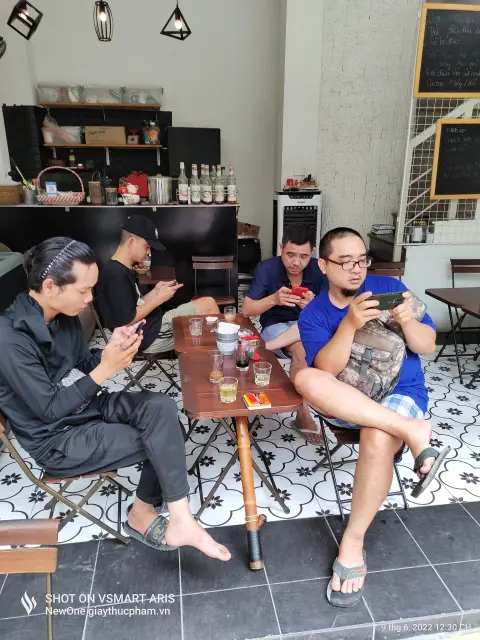
Vietnam is the world's second-biggest coffee grower, and its cafés are an institution, from the pavement stools to stylish cafés in old apartment buildings.
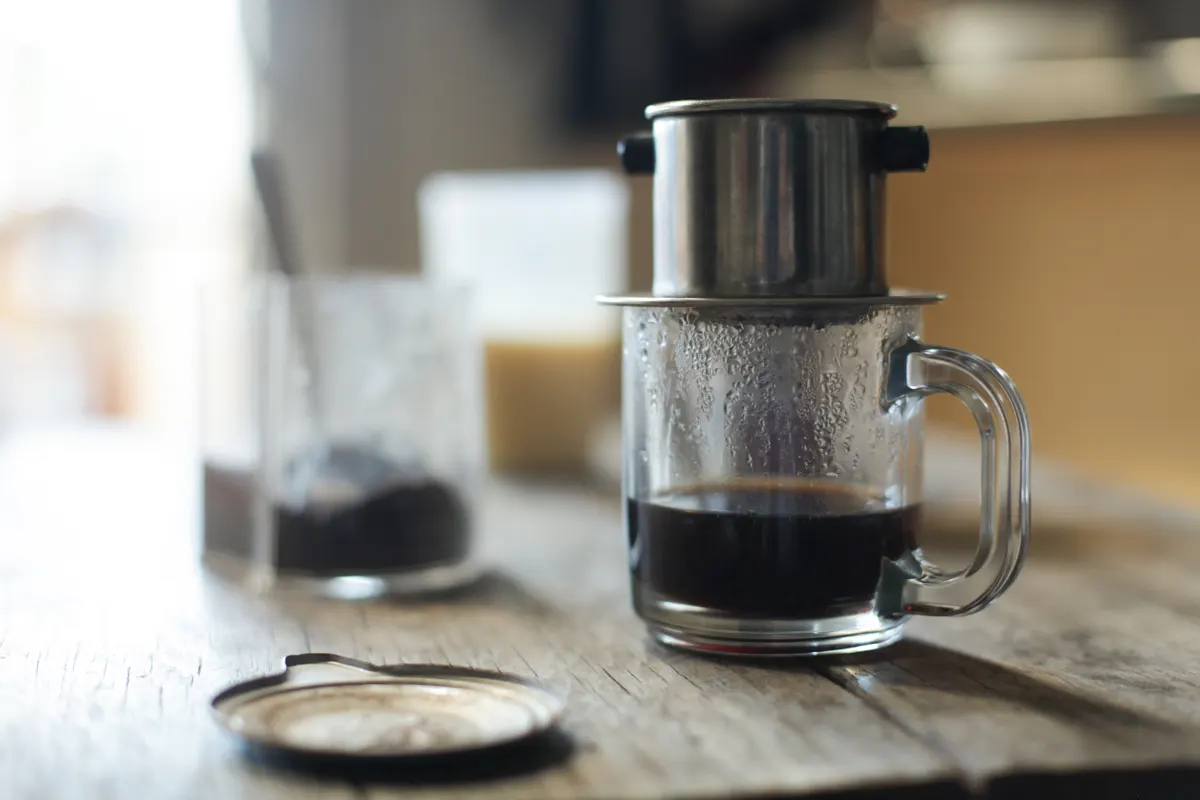
- Cà phê sữa đá: strong coffee dripped through a phin filter onto sweet condensed milk, then poured over ice. Cà phê đen is black.
- Bạc xỉu: mostly milk, with a little coffee. Cà phê muối: salt coffee, from Huế. Coconut coffee: blended with coconut milk and ice.
- Vietnamese coffee is mostly robusta, and much stronger than you might expect. Most cafés also serve tea, juices and smoothies.
Other drinks
- Bia hơi: fresh draught beer, brewed daily and sold very cheaply at street-corner bars, especially in Hanoi. Local bottled beers include Hà Nội, Saigon, Huda and 333.
- Trà đá: iced green tea, often free with a meal.
- Nước mía: sugar cane juice, pressed in front of you.
- Be careful with spirits and home-made rice wine: see the warning about methanol in Scams and safety.
Water and ice
- Don't drink the tap water. Bottled water is cheap everywhere, and many hotels have refill stations. Clean your teeth with it if your stomach is sensitive.
- Ice in cafés and restaurants in towns and cities is usually made in factories from purified water: it's the tube-shaped ice with a hole through the middle. Ice broken from big blocks is more likely to be used for keeping things cold. If you want to be careful, ask for drinks without ice (không đá).
- Choose food that's cooked hot in front of you, and fruit you peel yourself, for the first few days. Raw herbs and salads are part of almost every meal, and are usually fine in busy places.
- Bring rehydration salts in case of an upset stomach. See Health in Vietnam.
Eating out
- Restaurants often have picture menus or English menus in tourist areas. Use Google Translate's camera on others.
- Vegetarians: look for chay (vegetarian) restaurants, often near Buddhist temples, especially on the 1st and 15th days of the lunar month. Ordinary dishes usually contain fish sauce or meat stock.
- Napkins and the wet towels put on the table are sometimes charged for, at a few thousand dong.
- For chopstick manners and eating with others, see Etiquette and temples.


Comments
No comments yet.