
Health in Vietnam: insurance, mosquitoes, food and hospitals
Most visitors to Vietnam stay healthy, but there are a few risks to prepare for: mosquito-borne diseases, an upset stomach, the heat, and above all road accidents. Medical care in the big cities is good at the international hospitals, but it's expensive, and outside the cities it can be basic.
Travel insurance
- Get insurance that covers medical treatment, hospital stays and medical evacuation to another country, such as Thailand or Singapore. Bills at international hospitals can run into thousands of dollars, and an air ambulance far more.
- Check that it covers what you'll do: motorbike riding (most policies only cover you with a valid licence; see Traffic and motorbikes), trekking, caving and water sports.
- Hospitals usually want payment, or a guarantee from your insurer, before they treat you. Call your insurer's emergency number as soon as you can.
Before you go
- See a doctor or travel clinic at least 6 to 8 weeks before you go. Vaccinations usually recommended include hepatitis A and typhoid, as well as the routine ones. Japanese encephalitis and rabies vaccines may be advised for long stays, or time in the countryside. Check the advice from your own country, such as TravelHealthPro in the UK, or the US CDC.
- Medicines: bring enough for your trip, in their original packaging, with the prescription and a doctor's letter. You can't bring more than 7 days' supply of medicines that are addictive or psychotropic (such as strong painkillers or some sleeping and ADHD medicines) without permission. Declare prescription medicines worth more than US$100.
Mosquitoes
- Dengue fever is common, in cities as well as the countryside, especially in the rainy season. It's spread by mosquitoes that bite in the daytime. There's no medicine for it, and most people recover, but it can be serious: see a doctor if you get a high fever, a headache, pain behind the eyes or a rash, and don't take ibuprofen or aspirin for it.
- Zika and Japanese encephalitis are also found. The risk of malaria is low in cities and the main tourist areas, but it's present in some remote forest and border areas: ask your doctor whether you need tablets.
- Use insect repellent with DEET or picaridin, day and night, wear long sleeves at dusk, and sleep in air-conditioned rooms or under a net.
Rabies
Rabies is found in dogs, cats and monkeys. Don't touch or feed animals, even friendly-looking ones. If you're bitten or scratched, wash the wound for 15 minutes with soap and water, and get to a hospital the same day for injections, whether or not you've been vaccinated.
Food, water and stomach upsets
- Drink bottled or filtered water, not tap water. See Food and drink in Vietnam for ice and street food.
- Most stomach upsets clear up in a few days. Drink plenty, with rehydration salts, and see a doctor if you have a high fever, blood in your stools, or it goes on for more than a few days.
Heat, sun and air
- It's hot and humid much of the year. Drink plenty of water, rest in the middle of the day, and wear sunscreen and a hat. Heatstroke can kill.
- Air pollution in Hanoi, and sometimes Ho Chi Minh City, is often bad, especially in winter. If you have asthma or heart or lung problems, check the air quality each day and bring your medicines.
- In the mountains, nights are cold in winter: see Weather and when to go.
Hospitals and pharmacies
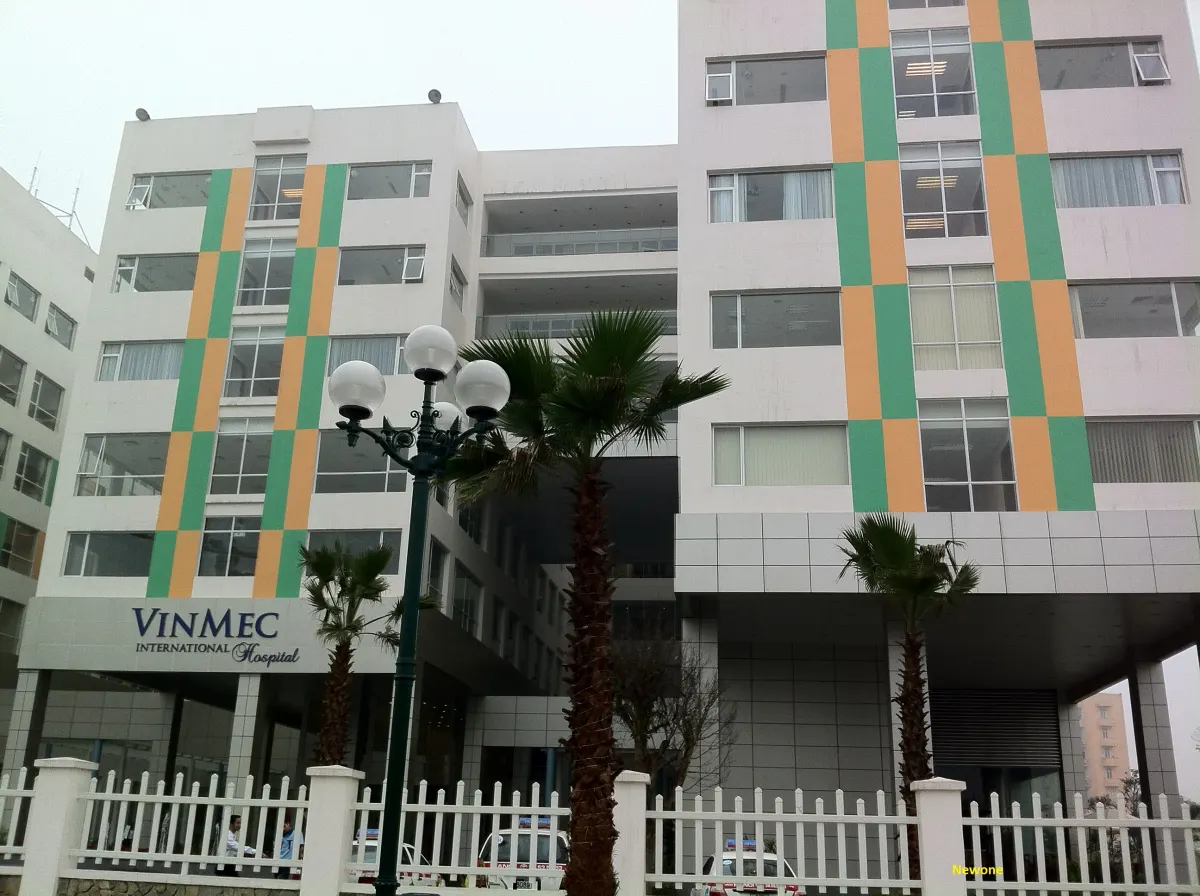
- In Hanoi and Ho Chi Minh City, international hospitals and clinics, such as Vinmec, Family Medical Practice, FV Hospital and Raffles Medical, have English-speaking doctors and accept many insurers. Vinmec also has hospitals in Đà Nẵng, Nha Trang, Phú Quốc and other cities. The British government publishes a list of medical providers in Vietnam.
- Public hospitals are busy, and few staff speak English. Outside the big cities, care can be basic, and serious cases are taken to Hanoi, Đà Nẵng or Ho Chi Minh City, or flown abroad.
- Pharmacies (nhà thuốc) are everywhere, and sell many medicines without a prescription, but fake medicines exist. Use pharmacies in big chains or at hospitals, and check the packaging.
- Ambulance: 115. Ambulances can be slow in traffic, and a taxi or Grab to an international hospital is often quicker.
Road safety
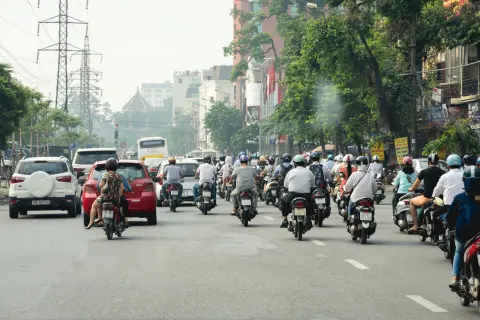
Road accidents are the biggest risk to visitors' health in Vietnam. Wear a helmet on every motorbike, a seat belt where there is one, and see Traffic, crossing the road and riding a motorbike.
Comments
No comments yet.