
Traffic in Vietnam: crossing the road, renting a motorbike and easy riders
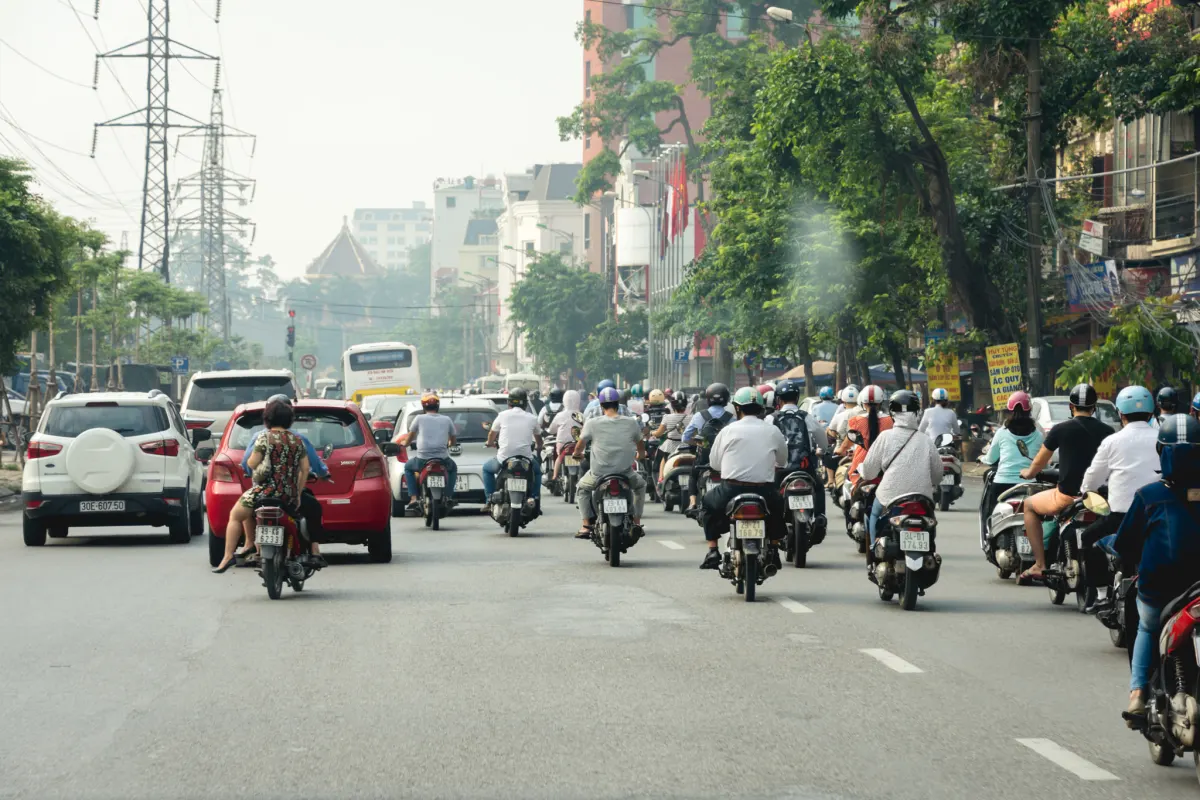
Vietnam has tens of millions of motorbikes, and the traffic in Hanoi and Ho Chi Minh City is the first thing most visitors notice. It looks chaotic, but it flows, and once you know how it works, crossing the road is easy. Riding a motorbike yourself is another matter: it's one of the biggest risks to visitors here, and most of the foreigners doing it aren't legally licensed or insured.
Crossing the road
- Walk slowly and steadily, at the same pace, and don't stop, step back or run. The motorbikes judge where you'll be and steer round you.
- Look at the oncoming traffic as you go, and make eye contact. Hold up a hand if it helps you feel seen.
- Cars, buses and trucks won't swerve round you the way motorbikes do: wait for them to pass.
- Look both ways, even on a one-way street, as motorbikes ride the wrong way along the edge. Watch out for bikes on the pavement, too.
- Pedestrian crossings and green men give you little protection, as riders turning right often don't stop. Cross with a group of locals if you're nervous.
Renting a motorbike: the rules
- You need a licence that's valid in Vietnam: either a Vietnamese licence, or your home licence with an International Driving Permit issued under the 1968 convention, which must cover motorbikes. The United States, Canada and Australia issue the 1949 kind of permit, which Vietnam doesn't recognise; the UK issues both, so make sure you get the 1968 one.
- Your home licence must include motorbikes: a car licence isn't enough for anything over 50cc. Almost all rental bikes are bigger than that.
- Third-party insurance is compulsory. Ask the rental shop for it.
- Travel insurance: most policies won't pay for anything if you crash while riding without a licence that's valid for that bike in that country, and many also need you to wear a helmet and be sober. If you crash unlicensed, you could be facing hospital bills of thousands of dollars, and the cost of a medical evacuation, alone.
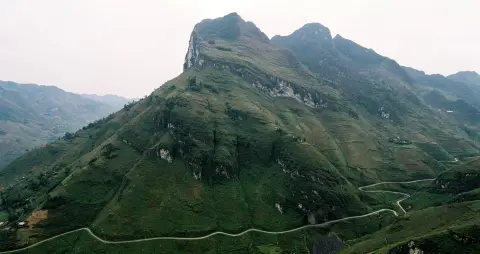
- Police do stop foreign riders, especially on the Hà Giang Loop and in tourist towns, and fine or hold those without the right papers.
- If you're involved in an accident, even if it wasn't your fault, you may have to pay compensation, and can be stopped from leaving the country until it's settled.
- Don't leave your passport with the rental shop as a deposit: offer a cash deposit or a photocopy instead.
If you do ride
- Don't learn to ride here. If you're not experienced, don't hire a bike.
- Wear a proper helmet that fastens (it's the law, for passengers too), long trousers and shoes. Photograph the bike's scratches before you leave the shop.
- Keep right, use your horn when overtaking or going round bends, and give way to anything bigger than you. Don't ride after dark in the mountains, in the rain, or after a drink: the drink-drive limit is zero.
Easy riders: ride on the back
The easy way to see the mountains by motorbike is on the back of a bike ridden by a local driver, an "easy rider". You get the views and the freedom, without the risk of riding on roads you don't know, the licence problem or the stress. Easy rider tours are common on the Hà Giang Loop, over the Hải Vân Pass between Huế and Hội An, and in the Central Highlands around Đà Lạt. Book with a company that has good recent reviews, and check that it includes insurance, helmets and the driver's licence, and that the drivers don't drink at lunch.
For getting about town, a Grab or Xanh SM motorbike taxi does the same job: see Getting around Vietnam.
Cars and buses
- Most visitors who want a car hire one with a driver. Wear a seat belt where there is one.
- On long-distance buses, choose a reputable company, and travel by day on mountain roads.
- Don't get on a motorbike or in a car with a driver who's been drinking.

Comments
No comments yet.