
Arriving in Vietnam: e-visas, visa-free stays and your passport
Most visitors to Vietnam either come visa-free, for up to 45 days if their country is on the list, or get an e-visa online before they fly. The e-visa is cheap, valid for up to 90 days, and open to every nationality, but there are many look-alike websites that charge far more for it, so use only the official one.
Your passport
- It must be valid for at least six months after you arrive, with at least two blank pages.
- It must be in good condition: travellers have been refused entry, or had trouble leaving, with damaged passports.
- Enter and leave on the same passport, and don't travel on one you've reported lost or stolen.
Visa-free stays
Citizens of these countries can visit without a visa, as long as their passport meets the rules above (check the latest list before you go, as it changes):
- 45 days: the United Kingdom, Germany, France, Italy, Spain, Denmark, Sweden, Norway, Finland, Japan, South Korea, Russia and Belarus (until 14 March 2028), and Belgium, the Netherlands, Luxembourg, Switzerland, Poland, the Czech Republic, Slovakia, Hungary, Slovenia, Croatia, Romania and Bulgaria (until 14 August 2028). You may be asked for a ticket out of Vietnam.
- 90 days: Chile and Panama.
- 30 days: Singapore, Malaysia, Thailand, Cambodia, Laos and Myanmar. 21 days: the Philippines. 14 days: Brunei and Indonesia.
- Phú Quốc: anyone flying straight into Phú Quốc from abroad can stay on the island for up to 30 days without a visa, but you need a visa to go on to the rest of Vietnam.
The officer stamps the date you must leave by in your passport when you arrive: check it before you walk away, as it won't be changed later. If you want to stay longer than your visa-free days, get an e-visa before you travel.
Citizens of the United States, Canada, Australia, New Zealand, Ireland, India, China and most other countries need a visa.
The e-visa
- Who: citizens of every country can apply.
- How long: up to 90 days, for a single entry (US$25) or multiple entries (US$50). Choose multiple entry if you might pop over to Cambodia or Laos and come back.
- Where: only on the Immigration Department's website, evisa.gov.vn (thithucdientu.gov.vn is the same site). You'll need a photo of your passport's photo page, a passport-style photo, the dates and the airport or border crossing where you'll arrive and leave, and a card to pay.
- When: it normally takes three to five working days, but apply at least a couple of weeks ahead, and longer before Tết. The fee isn't refunded if you're refused.
- Check every detail, especially your passport number, name and date of birth: a mistake can mean being refused boarding. Print the e-visa or keep a copy on your phone.
- The e-visa is for the entry and exit points you chose, so if your plans change, check you can still use it at the border you'll cross.
Search results and adverts are full of agencies with official-looking names that charge two or three times the real fee. Some are legitimate but expensive, others take your money and passport details and deliver nothing. If the address isn't evisa.gov.vn, you're not on the government's site. See Scams and safety in Vietnam.
Arriving
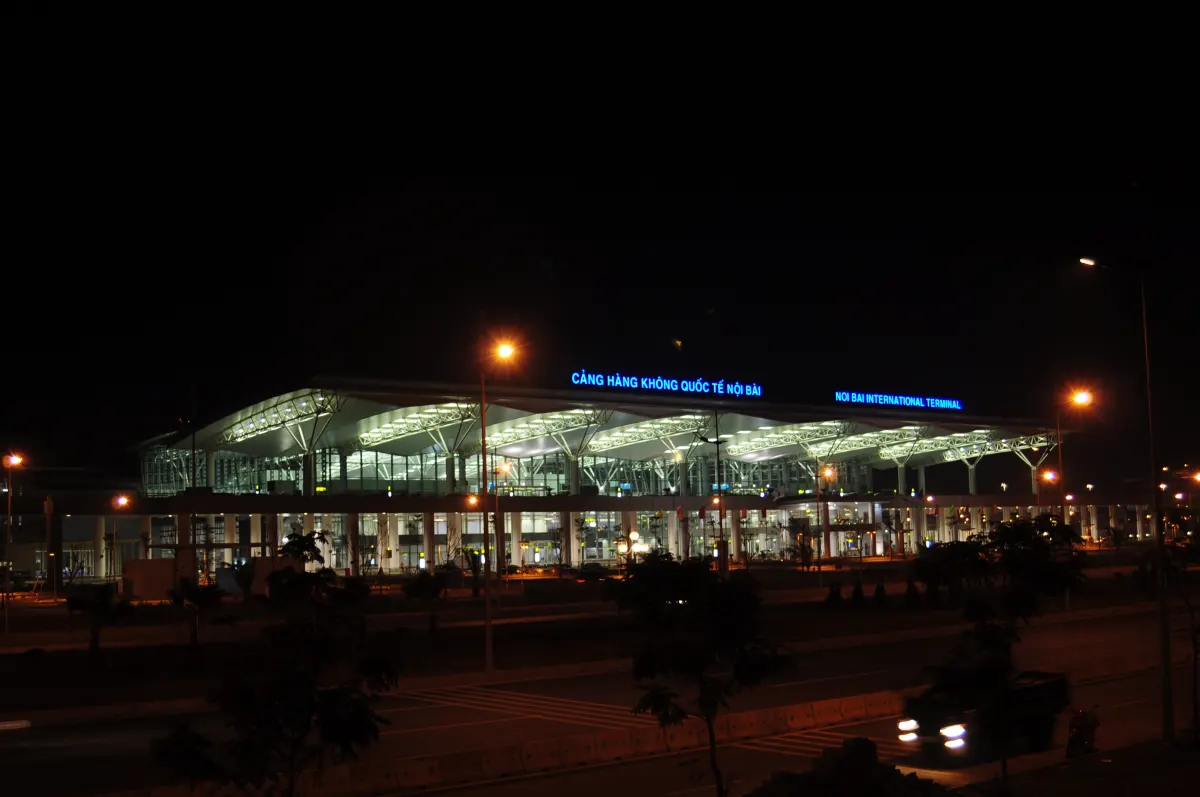
- The main international airports are Nội Bài (Hanoi), Tân Sơn Nhất (Ho Chi Minh City) and Đà Nẵng, with more flights to Cam Ranh (Nha Trang), Phú Quốc and others.
- Ho Chi Minh City's airport has a digital arrival card on the Immigration Department's site, which it encourages you to fill in before you land. It isn't compulsory yet, but it may become so, and spread to other airports, at short notice.
- If you're changing to a domestic flight in Hanoi or Ho Chi Minh City, you go through immigration first.
- Customs: declare cash over US$5,000 (or the same in other currencies) or 15 million dong. E-cigarettes and vapes are banned. If you bring prescription medicine, carry the prescription; see Health in Vietnam.
- Get from the airport with Grab or Xanh SM, or an airport bus: see Getting around Vietnam. Ignore people inside the terminal offering taxis or free hotel transfers you didn't book.
Staying longer
If you want to stay beyond your e-visa, ask the Immigration Department or a reputable agency in Vietnam well before it runs out. Overstaying means a fine and possibly being stopped at the airport until you've paid it.

Comments
No comments yet.