
Arriving in Japan: visa-free entry, Visit Japan Web, customs and medicines
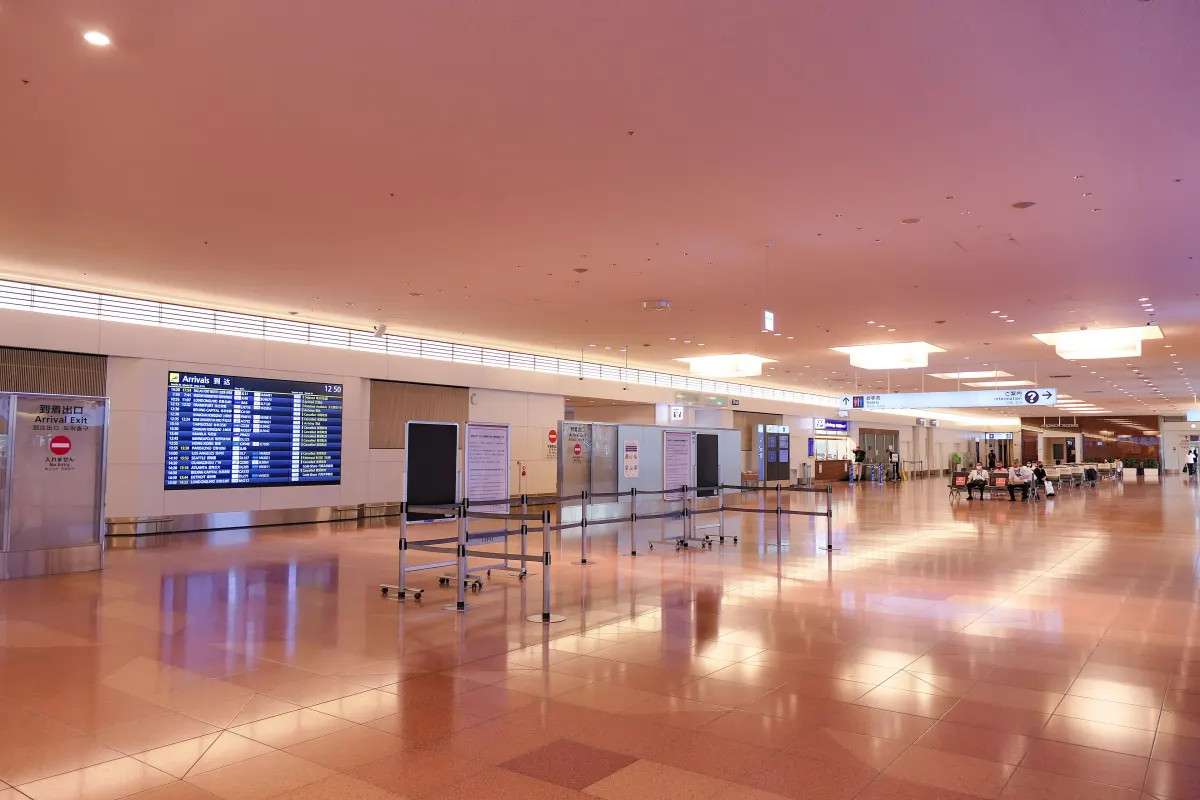
Most visitors don't need a visa for a holiday in Japan, and arriving is usually quick and orderly. What catches people out is medicine: Japan bans some medicines that are sold over the counter elsewhere, including common cold and flu tablets and some ADHD medicines, and you may need permission before you fly to bring others. Check yours before you pack.
Do you need a visa?
- Visa-free visits: citizens of around 70 countries and regions, including most of Europe, the USA, Canada, Australia, New Zealand, South Korea, Taiwan and Singapore, can visit Japan without a visa, usually for up to 90 days, for tourism, visiting friends or short business trips (not work). A few nationalities are given a different length of stay. The Ministry of Foreign Affairs lists the countries.
- Everyone else needs a visa before they travel. Some nationalities can apply online through Japan's eVISA system; others apply at a Japanese embassy or consulate.
- JESTA: Japan has passed a law for an electronic travel authorisation, like the American ESTA, that visa-free visitors will need before they fly. It isn't running yet: it's expected in 2028. Until then, you don't need to apply for anything.
- Your passport must be valid for your whole stay. When you arrive, foreign visitors are fingerprinted and photographed at immigration.
- Carry your passport: visitors must carry their passport with them at all times in Japan, and hotels ask to see and copy it when you check in.
Visit Japan Web
Visit Japan Web is a free government website where you can enter your passport details and fill in your immigration and customs declarations before you fly. It gives you QR codes to show at immigration and customs, which saves filling in paper forms on the plane. It isn't compulsory, and the paper forms still work. At the main airports, you can also use it for the tax-free shopping checks when you leave (see Money in Japan).
Use only the official website. Other sites offering to "register" you charge for something that's free.
Customs
- Duty-free: adults (20 and over) can bring in three 760 ml bottles of alcohol, a limited amount of tobacco, and other goods worth up to ¥200,000 in total. See Japan Customs for the details.
- Cash: declare cash and other means of payment worth more than ¥1 million.
- Food: Japan's quarantine rules ban most meat products, including sausages, ham and jerky, and fresh fruit and vegetables, even in small amounts for your own use. Eat them on the plane or leave them at home.
- Drugs: cannabis is illegal, and the penalties for drugs are severe. CBD products are allowed only if they contain no more than tiny traces of THC, which is hard to prove, so it's safest not to bring them.
Medicines: check before you pack
The Ministry of Health, Labour and Welfare sets the rules. In short:
- Ordinary prescription medicines: you can bring up to a one-month supply for yourself without any paperwork, as long as they aren't banned or controlled (below). Other medicines, such as over-the-counter ones, are allowed up to a two-month supply, and creams and other medicines for external use up to 24 of each.
- More than that: apply for an Import Confirmation (formerly called the yakkan shoumei) before you leave home. You can apply online, with a copy of your prescription or a doctor's letter and your flight details; it's normally issued in a few working days. Show it to customs if they ask.
- Banned outright: medicines containing amphetamine or methamphetamine, including the ADHD medicine Adderall, can't be brought into Japan, even with a prescription.
- Cold and flu medicines: any medicine containing more than 10% pseudoephedrine counts as a stimulant raw material and is banned. That includes common decongestants such as Sudafed and some Actifed products, and Japanese embassies also warn about Vicks inhalers. Read the labels, leave them at home, and buy a Japanese cold medicine at a pharmacy if you need one.
- Medicines that need permission first: narcotics such as morphine, fentanyl and oxycodone, and stimulant raw materials such as lisdexamfetamine (Vyvanse), need permission from a Regional Bureau of Health and Welfare before you travel. Apply well ahead.
- Psychotropic medicines, including methylphenidate (Ritalin, Concerta) and many sleeping pills and anxiety medicines, are allowed without paperwork only up to a set amount for each medicine. The Narcotics Control Department explains the limits and how to apply for more.
- Carry a copy of your prescription, and keep medicines in their original packaging. You can't post controlled medicines to yourself in Japan.
If you're not sure about a medicine, email the ministry's import confirmation team (the address is on its page) or ask a Japanese embassy before you go. The rules are enforced, and people have been arrested at the airport for medicines that are legal at home.
From the airport into town
- Tokyo Narita is over an hour from the city: take the Narita Express (covered by the JR Pass) or the Keisei Skyliner to Ueno.
- Tokyo Haneda is much closer: the Tokyo Monorail or the Keikyu line take about 20 to 30 minutes into the city.
- Kansai Airport, for Osaka and Kyoto: the JR Haruka goes to Kyoto, and the Nankai line to central Osaka.
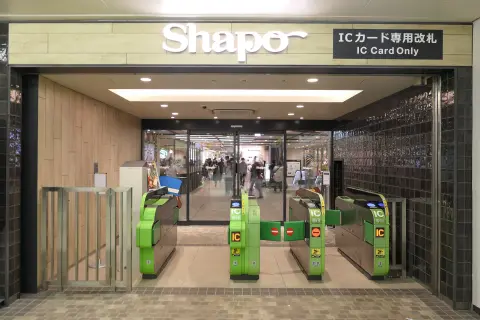
- Buy an IC card at the airport for the trains and buses: see IC cards in Japan. Airport limousine buses also go to the big hotels and stations, and are easier with heavy bags.
Leaving Japan
Everyone leaving Japan by air or sea pays the International Tourist Tax, which rose from ¥1,000 to ¥3,000 on 1 July 2026. It's added to your ticket price, so you don't pay it separately. If you've bought anything tax-free, leave time at the airport for the customs check, with the goods in your hand luggage.
Comments
No comments yet.