
Arriving in the UK: the ETA, passport control and customs
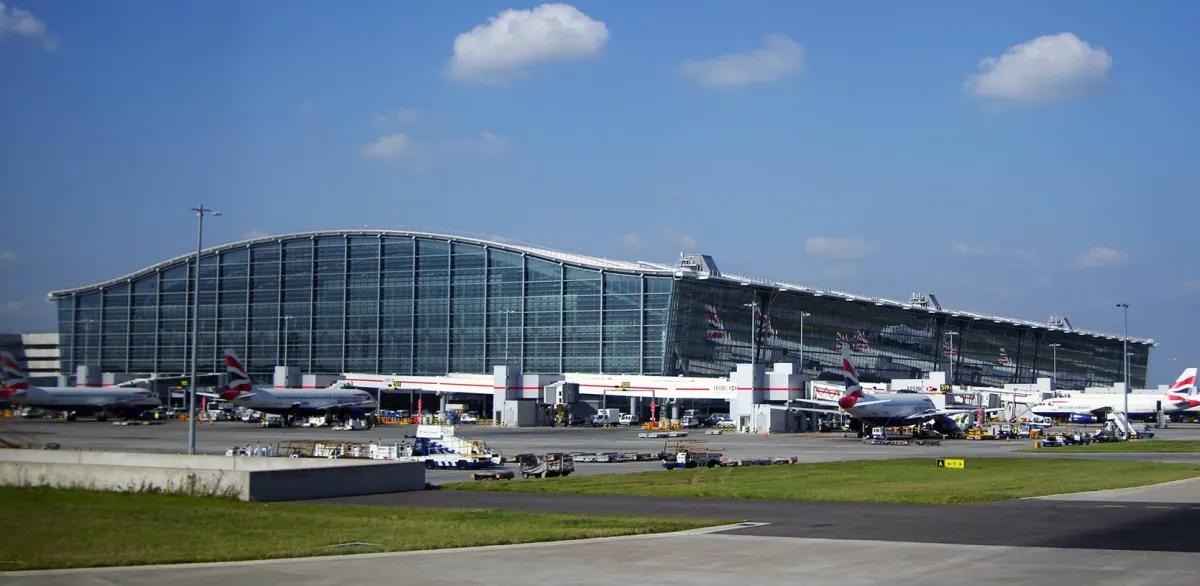
Most visitors can come to the United Kingdom (England, Scotland, Wales and Northern Ireland) without a visa, but almost everyone now needs to apply online for permission before they travel: an electronic travel authorisation, or ETA. Sort it out before you book your flight, as airlines, ferries and Eurostar check it before you board.
Before you travel: the ETA or a visa
- Who needs an ETA: visitors from countries that don't need a visa for short visits, including the USA, Canada, Australia, New Zealand, Japan and all of the European Union, need an ETA for stays of up to six months. British and Irish citizens don't.
- How to apply: use the official UK ETA app or the GOV.UK website. It costs £20 (since April 2026). Allow three working days, though many are approved within minutes. Each person needs their own, children too.
- It lasts two years, or until your passport expires if that's sooner, and covers any number of visits. It's linked to the passport you apply with, so travel on that passport.
- Use the official app or website. Other websites offering to apply for you charge far more for the same thing.
- Everyone else needs a Standard Visitor visa, which takes weeks: apply well ahead.
- Coming from Ireland: there are no passport checks between Ireland and the UK, or on the land border with Northern Ireland, but you still need an ETA or a visa to enter the UK that way, unless you're Irish or British, or legally live in Ireland and come from a country that doesn't need a visa. See Arriving in Ireland.
Passport control
At the big airports and the Eurostar terminals, visitors from many countries, including the EU, the USA, Canada, Australia, New Zealand, Japan and South Korea, can use the automatic eGates with a biometric passport, usually from the age of 10 with an adult. Everyone else queues to see a Border Force officer, who may ask why you're visiting, where you're staying and when you're leaving: have the answers ready. Queues at Heathrow can be long at busy times.
There's no landing card to fill in, and if you use the eGates, your passport isn't stamped.
Customs: what you can bring in
- Duty-free allowances from outside the UK: 200 cigarettes (or 250 g of tobacco), 4 litres of spirits (or 9 litres of fortified wine), 18 litres of still wine and 42 litres of beer, and up to £390 of other goods. Over that, go through the red channel and declare it.
- Meat and dairy: you can't bring meat, sausages, cheese, milk or other dairy products into Great Britain in your luggage from most countries, including the EU since April 2025, because of the risk of animal diseases. Leave the salami and cheese at home, or eat them on the plane.
- Cash of £10,000 or more must be declared.
Health and emergencies
- For an emergency, dial 999 (or 112) for an ambulance, police, fire or coastguard. For urgent medical advice that isn't an emergency, call NHS 111 (in England, Scotland and Wales).
- Emergency treatment in a hospital A&E department is free, but most other hospital care is charged to visitors, unless your country has an agreement with the UK. Get travel insurance.
- Pharmacies (chemists) can advise on minor illnesses without an appointment.
Plugs and power
The UK uses its own three-pin plugs (type G), at 230 volts. Bring an adapter: European two-pin plugs won't fit. Ireland uses the same plugs.
For the money you'll need, and your phone, see Money, costs, tipping and phones in the UK. To get from the airport, see Getting around the UK.


Comments
No comments yet.