
Getting around the UK: trains, coaches and buses
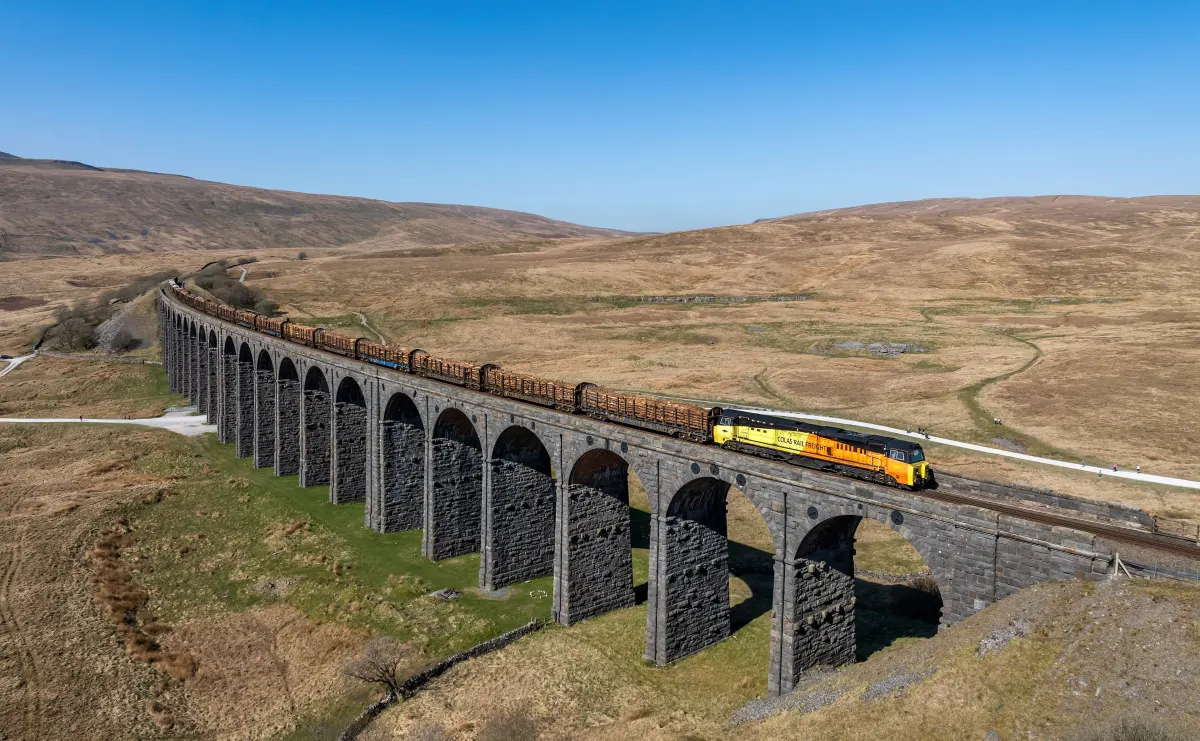
Britain is small and well connected, and you can see a great deal of it without a car. Trains link almost every city, coaches are cheaper and go to the same places more slowly, and local buses and ferries reach the countryside and the islands. The catch is that train fares vary enormously: the same journey can cost five times as much if you buy the ticket on the day.
Trains
- Book ahead for long journeys. Advance tickets, for one train only, go on sale about 12 weeks before and are much cheaper than buying on the day. Off-Peak tickets, for travel outside the weekday rush hours, are the next best value, and you can take any off-peak train.
- Railcards save a third on most fares for a year, for £35: the 16-25, 26-30, Senior (60 and over), Two Together and Family & Friends railcards. Visitors can buy them too, online from Railcard, and they often pay for themselves in a single long trip.
- Check times on National Rail Enquiries. Engineering works often close lines at weekends, with buses instead of trains, so check before you travel on a Saturday or Sunday.
- Passes: visitors from outside Britain can buy a BritRail pass for unlimited travel over a number of days. It suits a fast trip with many long journeys, but for a few journeys booked ahead, separate tickets with a railcard are usually cheaper.
- Sleeper trains: the Caledonian Sleeper runs overnight from London to Edinburgh, Glasgow, Aberdeen, Inverness and Fort William, and the Night Riviera from London to Cornwall. You save a night's hotel and wake up in the Highlands or by the sea.
- Scenic lines: some of the best journeys are by train, such as the West Highland Line from Glasgow to Fort William and Mallaig, over the Glenfinnan Viaduct, and the Settle to Carlisle line across the Yorkshire Dales.
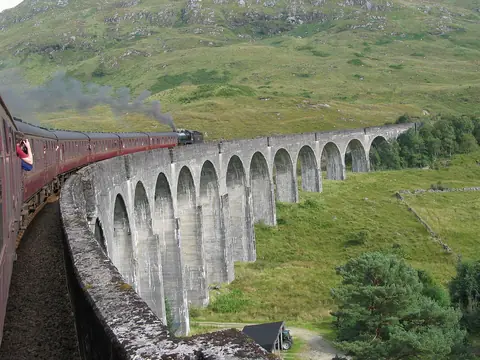
Glenfinnan Viaduct and the Jacobite steam train
A curved railway viaduct of 21 arches over a Highland glen, made famous by the Harry Potter films.
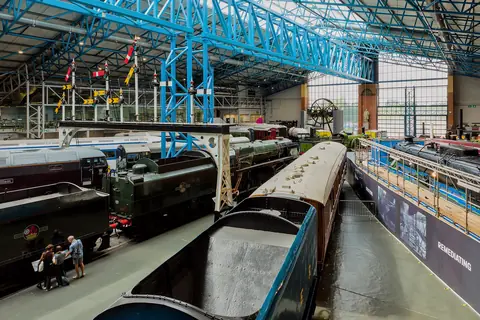
National Railway Museum, York
The world's largest railway museum, with more than 100 locomotives, including the Mallard, the fastest steam engine ever, a Japanese bullet train, an…

Lynton and Lynmouth Cliff Railway
A Victorian cliff railway, opened in 1890, linking the twin villages of Lynmouth, at sea level, and Lynton, 150 m above on the cliff top.
Coaches and buses
- Long-distance coaches, run by National Express and Megabus in England and Wales, and Scottish Citylink in Scotland, are the cheapest way between cities and to the airports, though slower than the train.
- Local buses reach the villages and national parks, but in the country they can be infrequent, especially in the evening and on Sundays, so check the timetable before you set off. Pay the driver by contactless card in most places.
London
- Pay with a contactless bank card or your phone: tap in at the yellow card reader at the start of each journey on the Tube, buses, trams and trains in London, and tap out at the end on the Tube and trains (not on buses). It costs the same as an Oyster card, and there's a daily cap, so you never pay more than a set amount in a day (about £9 in the centre, in zones 1 and 2). Use the same card or phone for every journey, and every person needs their own.
- Buses don't take cash. A bus journey costs £1.75, and you can change buses as often as you like within an hour for no more.
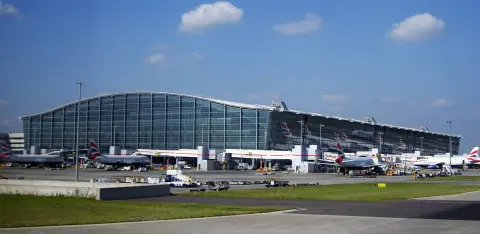
- From Heathrow, the Elizabeth line and the Piccadilly line are much cheaper than the Heathrow Express.
- Walk: many of the sights in central London are closer together than the Tube map makes them look.
Ferries and flights to the islands
CalMac ferries sail to the islands off the west coast of Scotland, such as Mull, Islay, Barra and Lewis, and NorthLink ferries to Orkney and Shetland. In summer, book well ahead if you're taking a car. Small planes fly from the mainland to Orkney, Shetland, the Hebrides and the Isles of Scilly.
If you'd rather drive, see Driving in the UK.
Comments
No comments yet.