
Driving in the UK: roundabouts, single-track roads and city charges
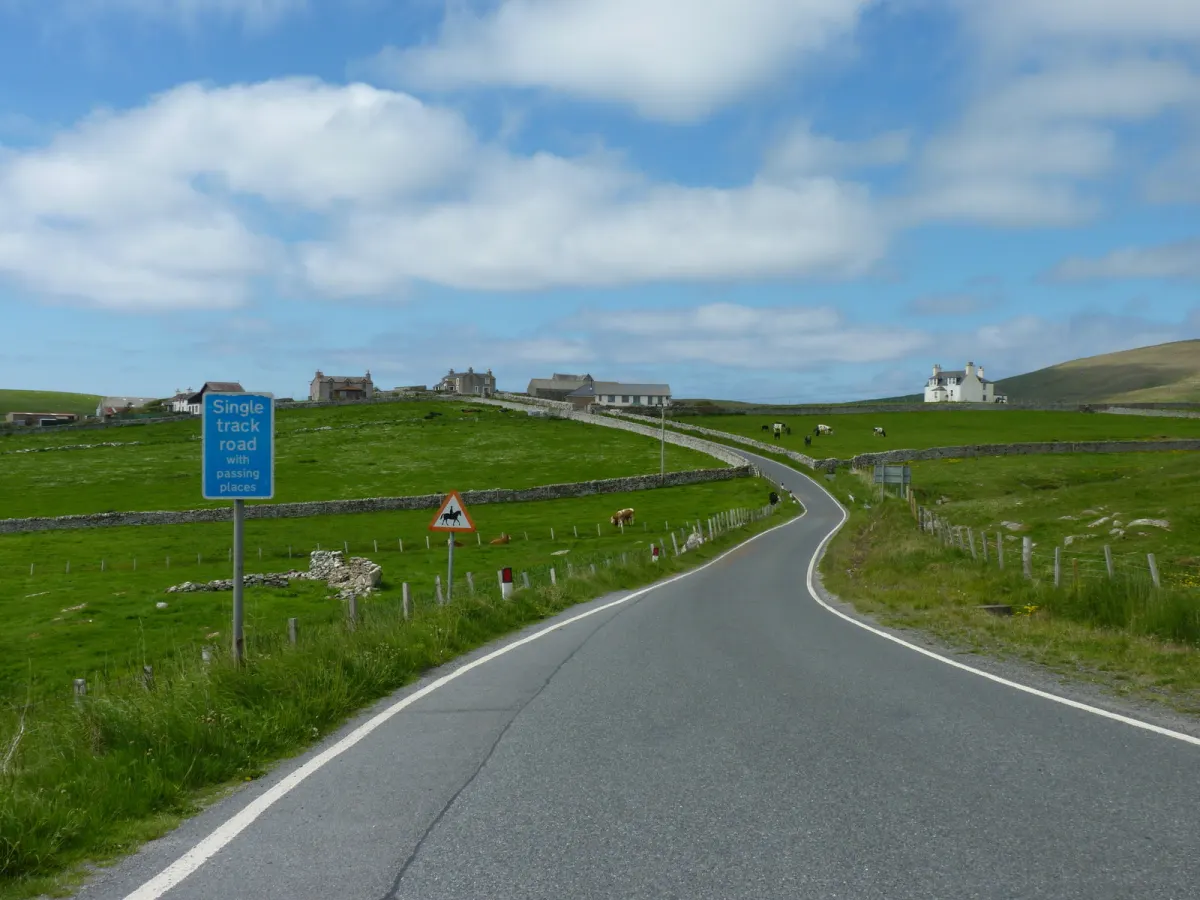
A car is the easiest way to explore the countryside, the Highlands and the coast, where buses are few. But British roads take getting used to: everyone drives on the left, distances and speeds are in miles, roundabouts are everywhere, and country lanes can be barely wider than the car. In the cities, a car is more trouble than it's worth.
What you need
- A driving licence: visitors can drive on a full licence from their own country for up to 12 months. If your licence isn't in English, or the rental company asks for one, carry an International Driving Permit as well.
- Hiring a car: most hire cars are manual (with a gear stick); an automatic costs more, so book one ahead if you need it. Drivers under 25 usually pay extra.
- Fuel: at the pump, green handles are for unleaded petrol and black for diesel. Check which your car takes: putting in the wrong one is a common, expensive mistake.
The main rules
- Keep left, and take care when you pull out of a car park or a petrol station onto an empty road.
- Speed limits are in miles per hour: 30 mph in towns (20 mph in many cities and almost everywhere in built-up areas of Wales), 60 mph on single-carriageway roads and 70 mph on dual carriageways and motorways, unless signs say otherwise. Speed cameras are common, including average-speed cameras that time you over a long stretch.
- Drink-driving: the limit is lower in Scotland than in England, Wales and Northern Ireland, and lower than many visitors expect. The safest rule is not to drink at all if you're driving.
- Phones: you can't hold a phone while driving, even stopped in traffic.
- Seatbelts are compulsory for everyone, and young children need a child seat, which the hire company can supply.
Roundabouts
Go round clockwise, and give way to traffic coming from your right, already on the roundabout. Get in the left lane if you're taking the first exit, and signal left as you pass the exit before yours. Mini-roundabouts, painted on the road, work the same way.
Motorways
Keep to the left-hand lane unless you're overtaking, and never overtake on the left. On smart motorways, a red X over a lane means it's closed: move out of it. Only stop on the hard shoulder in an emergency.
Country lanes and single-track roads
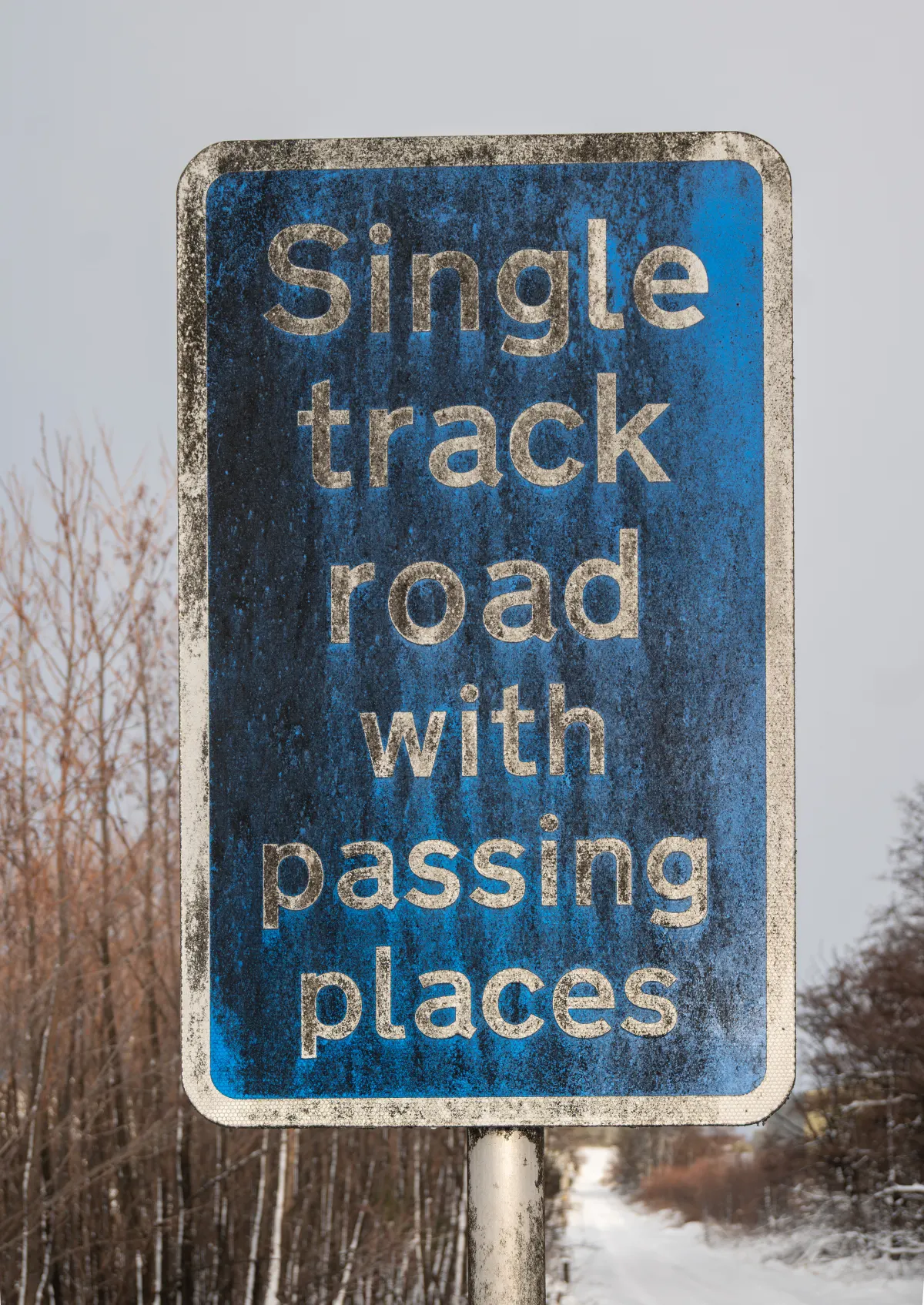
In the Scottish Highlands and islands, much of Wales, and the lanes of Devon and Cornwall, many roads are a single lane wide. On single-track roads there are passing places every few hundred metres, marked by a white diamond sign: if a car comes the other way, pull into a passing place on your left, or stop opposite one on your right so the other car can pull in. Use them too to let faster cars behind you overtake. Never park in a passing place. In the lanes of Devon and Cornwall, between high hedges, you may need to reverse to a wider spot.
Watch for sheep, cattle and ponies on unfenced roads in the moors and the Highlands, and for walkers and cyclists on narrow lanes.

Glencoe
Scotland's most famous glen, a dramatic valley in the Highlands surrounded by steep mountains such as Buachaille Etive Mòr and the Three Sisters.

Lake District and Catbells
England's largest national park, a UNESCO World Heritage Site of lakes, fells and stone villages that inspired Wordsworth and Beatrix Potter.
Cotswolds villages
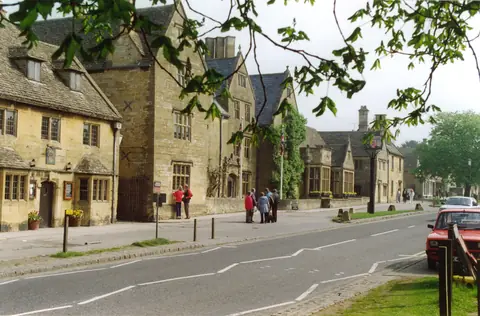
Rolling hills dotted with villages of golden limestone cottages, built with the wealth of the medieval wool trade.
Charges in London and other cities
- London's Congestion Charge costs £18 a day to drive into the centre, and the Ultra Low Emission Zone (ULEZ), across all of Greater London, charges older, more polluting cars £12.50 a day (most hire cars meet the standard). Pay online at Transport for London. In London, it's far easier to leave the car and use the Tube.
- Clean air zones in other cities, such as Birmingham, Bristol, Bath and Glasgow, charge or ban older vehicles. Hire cars are usually exempt, but check.
- Tolls: there are few, but the Dartford Crossing east of London has no toll booths: you must pay online by midnight the day after you cross, or be fined.
Parking
Double yellow lines along the edge of the road mean no parking at any time, and single yellow lines no parking at the times shown on a nearby sign. Many car parks and street spaces are paid for by phone app, such as RingGo or PayByPhone, so it's worth installing them.
The full rules are in the official Highway Code. If you're crossing into Ireland, see Getting around Ireland: the Republic uses kilometres.


Comments
No comments yet.