
Money, costs, tipping and phones in the UK
The United Kingdom uses the pound sterling (£), and almost everywhere takes cards, so you need little cash. It can be expensive, London especially, but many of the best things, including the big national museums, are free.
Paying
- Cards and phones: contactless card and phone payments are accepted almost everywhere, from pubs and buses to market stalls, and some places don't take cash at all. A card with no foreign transaction fees saves money.
- Cash is still handy for some markets, small cafés and tips. Use cash machines (ATMs) inside or outside banks, which are free; some in shops and pubs charge a fee.
- Pay in pounds: if a card machine or ATM offers to charge you in your own currency, say no: the exchange rate is usually worse.
- Scottish and Northern Irish banknotes: banks in Scotland and Northern Ireland print their own pound notes. They're worth the same, but some shops in England refuse them, so spend them before you leave.
- Prices include tax (VAT, 20%), so what you see is what you pay. Visitors can't claim the VAT back on shopping any more.
Tipping
- Restaurants: a tip of 10 to 12.5% is usual for table service, but many restaurants add a "discretionary service charge" to the bill. Check before you tip twice; you can ask for it to be removed if the service was poor.
- Pubs and bars: you don't tip when you buy drinks at the bar. See Pubs in the UK.
- Taxis: round up the fare, or add about 10%. Hotel staff and tour guides appreciate a tip but don't expect one.
Saving money
- Free museums: the national museums and galleries are free to enter, including the British Museum, the National Gallery, Tate Modern, the Natural History Museum, the Science Museum and the V&A in London, and the national museums of Scotland and Wales. Only special exhibitions charge.
- Book trains ahead and buy a railcard: see Getting around the UK.
- Eat at lunchtime: many restaurants and pubs have cheaper set lunches, and supermarket meal deals (a sandwich, a snack and a drink) are a cheap lunch on the go.
- National Trust and English Heritage: if you'll visit many castles and stately homes, a membership or a visitor pass can save money. Members of the National Trust in some other countries get in free.

Attractions
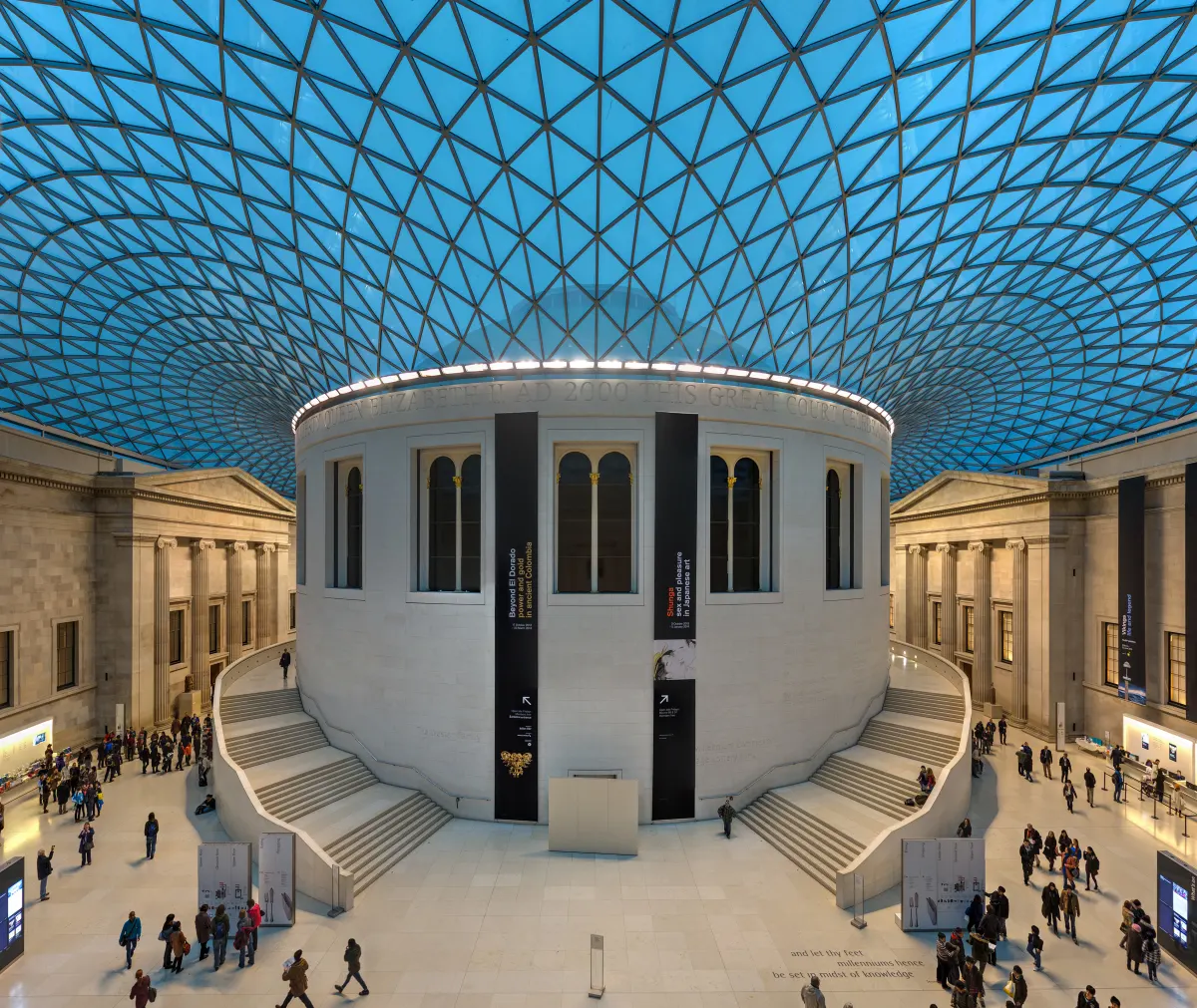
The British Museum, London
Camden Town, London
One of the world's great museums, founded in 1753, with eight million objects covering two million years of human history.
Attractions
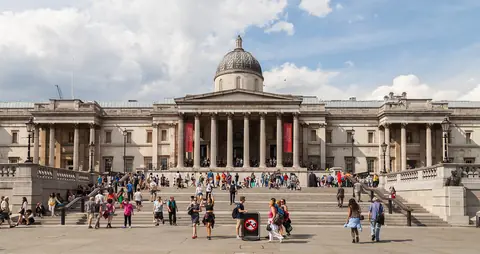
National Gallery, London
London
One of the world's great collections of European paintings from the 13th to 19th centuries, including Van Gogh's Sunflowers, Turner's The Fighting Te…

Attractions
Natural History Museum, London
Chelsea, London
A cathedral-like Victorian museum in South Kensington, with a blue whale skeleton hanging in the great Hintze Hall, dinosaurs including a moving T.
Phones and the internet
- Roaming: since Brexit, EU phone plans don't have to include free roaming in the UK, although many still do. Check with your provider before you go.
- SIM cards and eSIMs: a prepaid SIM from a UK network (such as EE, Vodafone, O2 or Three) or a travel eSIM is usually cheaper than roaming for a longer stay.
- Wi-Fi is free in most cafés, pubs, hotels and stations, and on many trains.
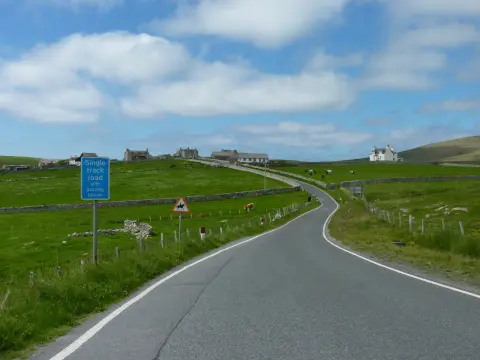
- Mobile coverage is good in towns, but patchy in the Highlands, on the islands and in parts of the national parks: download maps before you go.

Comments
No comments yet.