
Walking in the UK: rights of way, access and safety
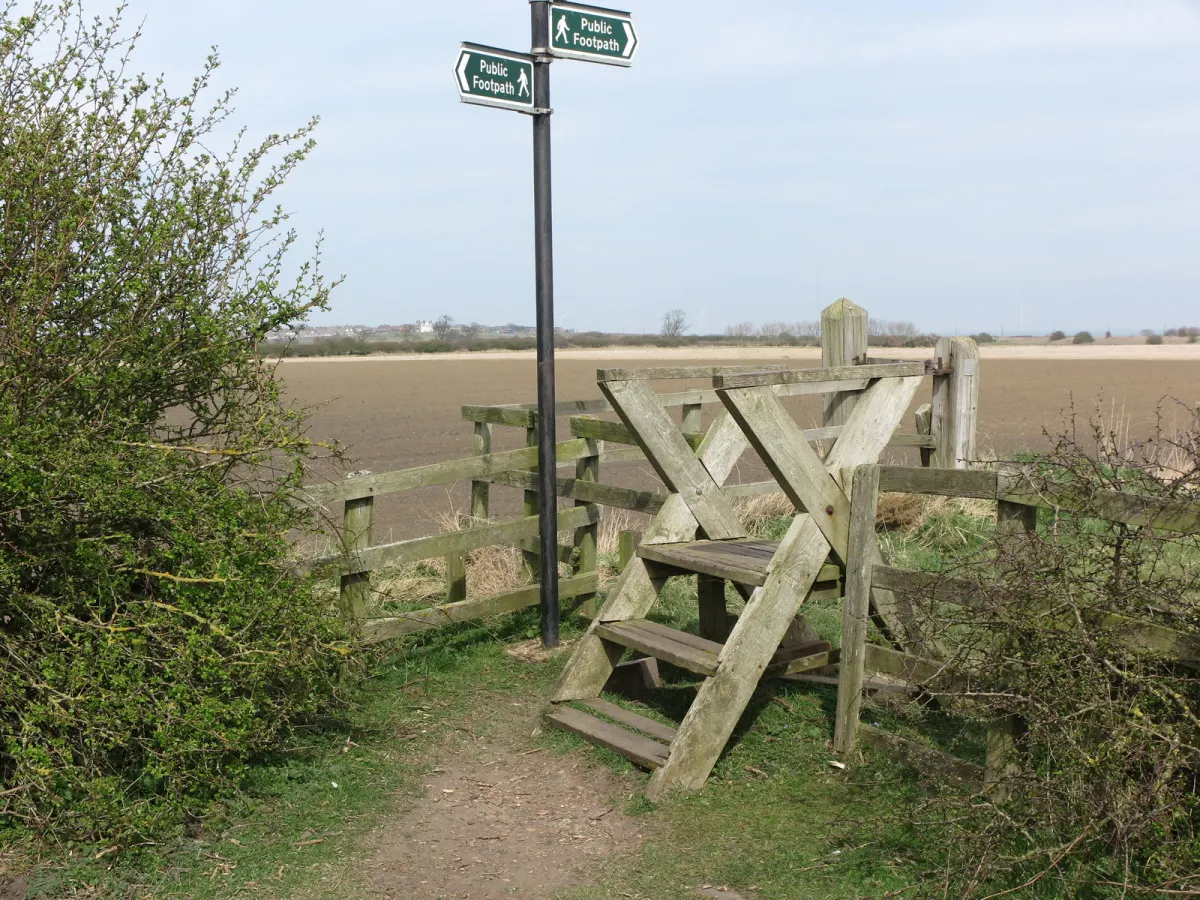
Walking is one of the best ways to see Britain, from a stroll along a canal to a day on the fells of the Lake District or the long-distance trails that cross the country. A network of public paths runs over private farmland and through the countryside, and in Scotland you can walk almost anywhere. A few rules and some care with the weather keep it that way.
Where you can walk
- Public rights of way: in England and Wales, signposted public footpaths and bridleways cross fields, woods and farms, often through gates and over stiles. You have the right to walk on them, even across private land, but keep to the path.
- Open access land: on most mountains, moors, heaths and downs in England and Wales, and along much of the coast, you can walk freely off the paths.
- Scotland has a right of responsible access to almost all land and inland water, as long as you follow the Scottish Outdoor Access Code: respect people's privacy and farming, and leave no trace.
- Long-distance trails include the South West Coast Path around Devon and Cornwall, Hadrian's Wall Path, the Pennine Way and the Wales Coast Path, and in Scotland the West Highland Way. You can walk short sections as day walks.

Lake District and Catbells
England's largest national park, a UNESCO World Heritage Site of lakes, fells and stone villages that inspired Wordsworth and Beatrix Potter.

Hadrian's Wall and Housesteads Roman Fort
The wall built across northern England by the Emperor Hadrian from 122 AD to guard the Roman Empire's north-west frontier.

Jurassic Coast and Durdle Door
England's only natural World Heritage Site, a 150 km stretch of coast in Dorset and Devon whose cliffs show 185 million years of geological history, …
The countryside code
- Leave gates as you find them, and don't disturb farm animals.
- Cows, especially with calves, can be dangerous to walkers with dogs. Walk calmly round the edge of the field, keep your dog on a short lead, and let it go if cattle chase you: the dog can outrun them.
- Dogs must be on a lead near livestock, and on open access land from March to July, when birds nest on the ground.
- Take your litter home, and don't light fires except where it's allowed.
Wild camping
In Scotland, you can camp for a night or two on most unenclosed land, away from roads and houses, though in parts of Loch Lomond and the Trossachs you need a permit in summer. In England and Wales, wild camping needs the landowner's permission, except in parts of Dartmoor, where it's allowed. Elsewhere, use campsites.
Staying safe in the mountains
- The weather in the mountains of Scotland, Wales and the Lake District changes fast, and can be cold, wet and windy even in summer, with cloud on the tops. Check a mountain forecast, such as the Mountain Weather Information Service, and turn back if it closes in.
- Navigation: paths are often unmarked on the hills. Carry a map and compass, or the OS Maps app with the maps downloaded, as phone signal is patchy.
- Daylight: winter days are short, so start early.
- Snowdon and Ben Nevis are busy, but they're real mountains: wear boots, and carry warm and waterproof clothes, food and water.
- Emergencies: dial 999 or 112, ask for the police, then mountain rescue (or the coastguard on the coast).
- Tides: on coast walks and causeways, such as the one to Holy Island (Lindisfarne), check the tide times so you're not cut off.
- Ticks can carry Lyme disease: check yourself after walking through long grass and bracken.

Snowdon (Yr Wyddfa)
The highest mountain in Wales, 1,085 m, in Snowdonia (Eryri) National Park.
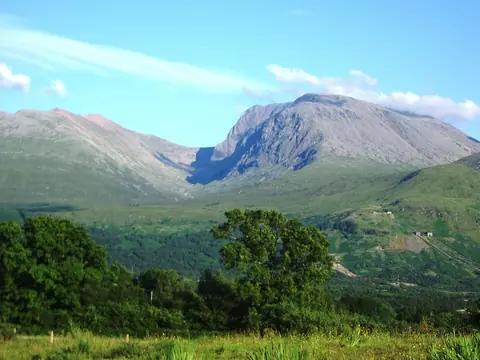
Ben Nevis
Britain's highest mountain at 1,345 m, climbed by the Mountain Track from Glen Nevis in about 7 to 9 hours return.

Lindisfarne Castle
A Tudor fort on a rocky outcrop on Holy Island, turned into a holiday home by Edwin Lutyens for Edward Hudson, founder of Country Life magazine.
Maps for walking are made by the Ordnance Survey. For what to wear, see Weather, seasons and what to pack for the UK.


Comments
No comments yet.