
Arriving in Ireland: passports, visas and crossing the border
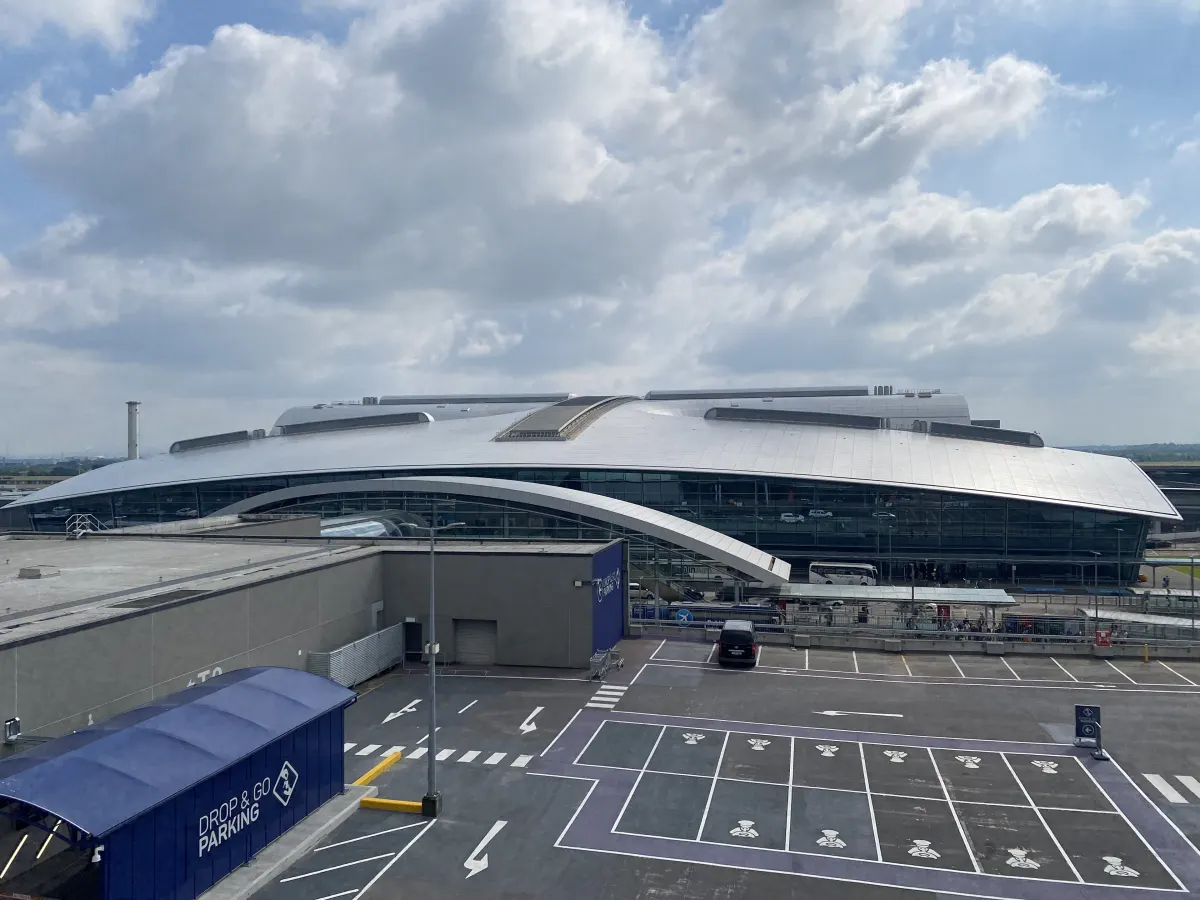
The island of Ireland is shared by two countries: the Republic of Ireland, an independent country in the European Union, and Northern Ireland, which is part of the United Kingdom. Most visitors can enter either without a visa, but they have different rules, and many trips take in both.
Visiting the Republic of Ireland
- Passports: Ireland is in the EU but not in the Schengen area, so there are passport checks when you arrive, even from France or Spain. EU and EEA citizens can use a national identity card instead.
- No visa is needed for short visits by citizens of the EU, the UK, the USA, Canada, Australia, New Zealand and many other countries, for up to 90 days. Ireland doesn't currently require an online travel authorisation like the UK's ETA. Others need a visa: check with Irish Immigration.
- At the airport, an immigration officer may ask about your visit, and how long you're staying. At Dublin Airport, EU, EEA, Swiss and UK passport holders can often use the eGates.
- Coming from the USA: at Dublin and Shannon airports you go through US immigration before you fly home, so allow extra time on the way back.
The Common Travel Area
Irish and British citizens can travel freely between Ireland and the UK, and live and work in either, under the Common Travel Area. There are no routine passport checks on flights and ferries between them, but airlines and ferries ask everyone for photo ID, and other nationalities still need their passports and the right permission for each country.
Crossing into Northern Ireland
- There are no border posts or checks on the roads between the Republic and Northern Ireland: often the only sign is that the speed limits change from kilometres to miles an hour.
- But Northern Ireland is part of the UK, so if you need a UK electronic travel authorisation (ETA) or visa, you must have it before you cross, even on a day trip to the Giant's Causeway or Belfast.
- Northern Ireland uses the pound, not the euro. Check that your hire car's insurance covers you over the border.

Giant's Causeway
Around 40,000 interlocking basalt columns, mostly hexagonal, stepping down into the sea on the north coast of Northern Ireland, created by volcanic a…

Titanic Belfast
A striking museum on the site of the shipyard where the Titanic was built, telling the story of the ship from its construction in Belfast to its sink…

Carrick-a-Rede Rope Bridge
A rope bridge strung 30 metres above the sea between the cliffs and the tiny island of Carrick-a-Rede, first built by salmon fishermen over 250 years…
Customs
- Arriving from outside the EU, including from the UK, you can bring in duty-free 200 cigarettes, 1 litre of spirits, 4 litres of wine and 16 litres of beer.
- You can't bring in meat or dairy products from outside the EU.
Health and emergencies
- Dial 112 or 999 for the emergency services, in the Republic and in Northern Ireland.
- EU visitors can use a European Health Insurance Card (EHIC) for public health care, and UK visitors their GHIC or EHIC. Everyone else should have travel insurance: a visit to a doctor or a hospital emergency department is charged.
Plugs
Ireland uses the same three-pin plugs (type G) as the UK, at 230 volts, so bring an adapter.
For money and phones, see Money, costs, tipping and phones in Ireland, and to get around, Getting around Ireland.


Comments
No comments yet.