
Weather, seasons and what to pack for Ireland
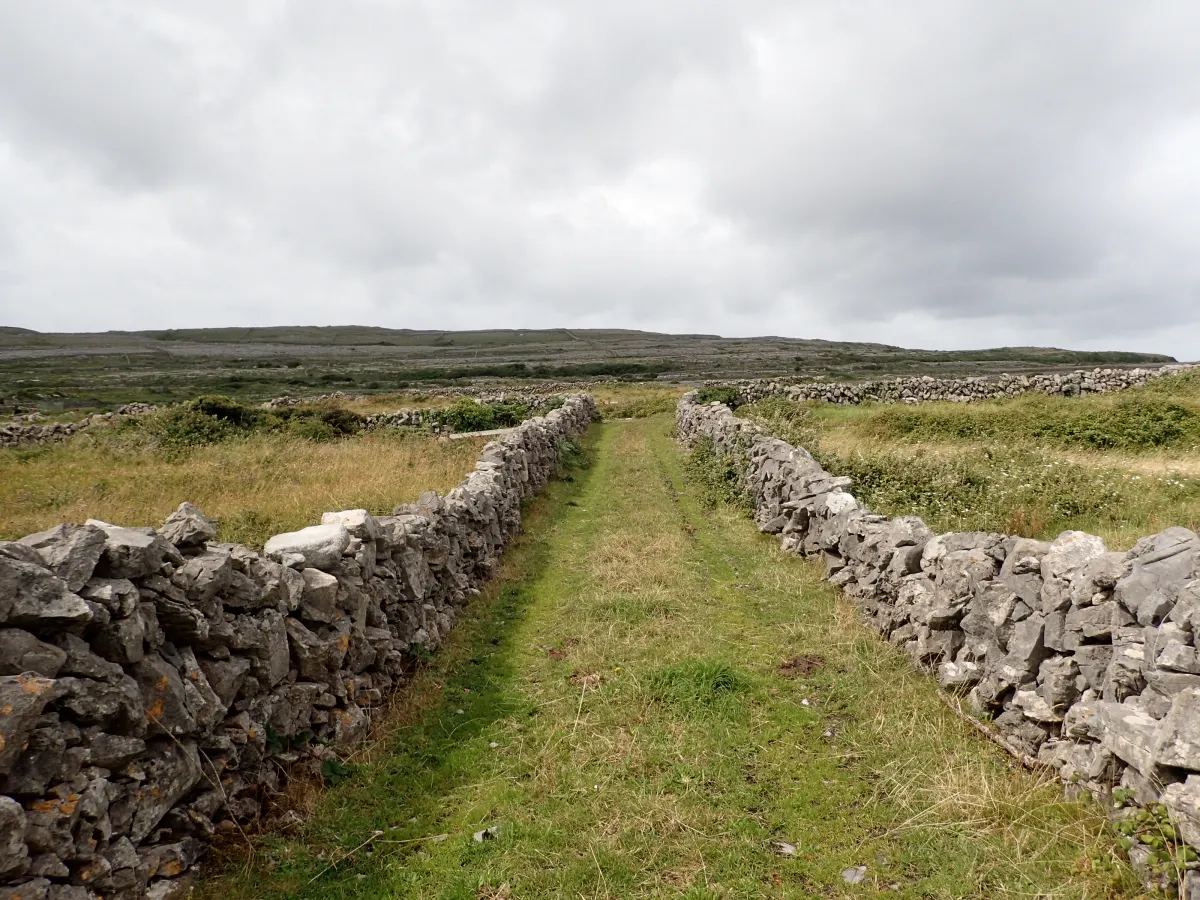
Ireland is green for a reason: it rains a lot, especially in the west, where the wind comes straight off the Atlantic. But it's rarely very hot or very cold, the rain often comes in short showers between bright spells, and a sunny day on the west coast is worth the wait. Pack for rain and wind, whatever the month.
The seasons
- Spring (March to May): around 8 to 14°C, with lambs in the fields and longer days. St Patrick's Day, on 17 March, is celebrated with parades all over the country, and Dublin's festival lasts several days. May is often one of the driest, brightest months.
- Summer (June to August): usually 15 to 20°C, sometimes warmer, with long evenings: in June it stays light until after 10 pm. It's the busiest time, with crowds at the Cliffs of Moher and on the Ring of Kerry, so book rooms and hire cars ahead.
- Autumn (September and October): September is often mild and settled, with fewer visitors, and a good time to go. It gets wetter and windier through October.
- Winter (November to February): cool and wet, around 4 to 8°C, with storms on the west coast and short days, but snow is rare. Some attractions and B&Bs in the west close for the winter, while Dublin's pubs and museums are at their cosiest.
The west and the mountains are the wettest; the east coast, around Dublin, is the driest and sunniest.

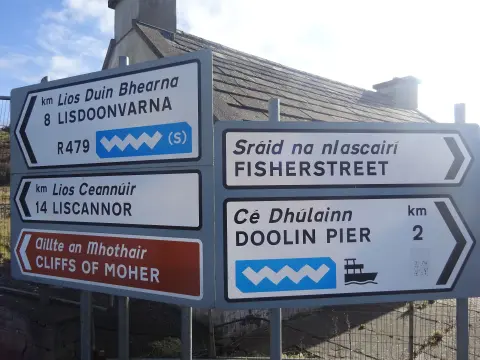
Cliffs of Moher
Ireland's most famous natural sight: sheer cliffs rising up to 214 m out of the Atlantic, running for 14 km along the County Clare coast.
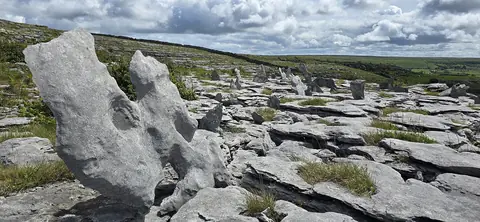
The Burren
A limestone landscape of grey pavement with rare flowers growing in its cracks, from Arctic and Mediterranean plants to orchids in May and June.

Killarney National Park
Ireland's first national park, with lakes, woods and mountains next to the town of Killarney.
Wind and the coast
On the cliffs and headlands of the west coast, such as the Cliffs of Moher, Slieve League and Dún Aonghasa, the wind can be strong enough to knock you off balance. Keep well back from the edge, as many cliffs have no fence, and paths can close in storms. Ferries to the islands may be cancelled in rough weather, so leave a spare day.
What to pack
- A good waterproof jacket with a hood, and waterproof trousers if you plan to walk. An umbrella is little use in the wind.
- Layers: a warm fleece or jumper, even in summer, for evenings and the coast.
- Waterproof shoes or walking boots: paths and fields are often wet and muddy.
- A plug adapter for the three-pin sockets, the same as in the UK.
Check the forecast with Met Éireann, the Irish weather service.



Comments
No comments yet.