
Dangerous wildlife in Australia: crocodiles, snakes and spiders
Australia has a reputation for animals that can kill you. In fact very few people are hurt by them, and most of those were too close to one. Crocodiles are the ones to take seriously.
Crocodiles
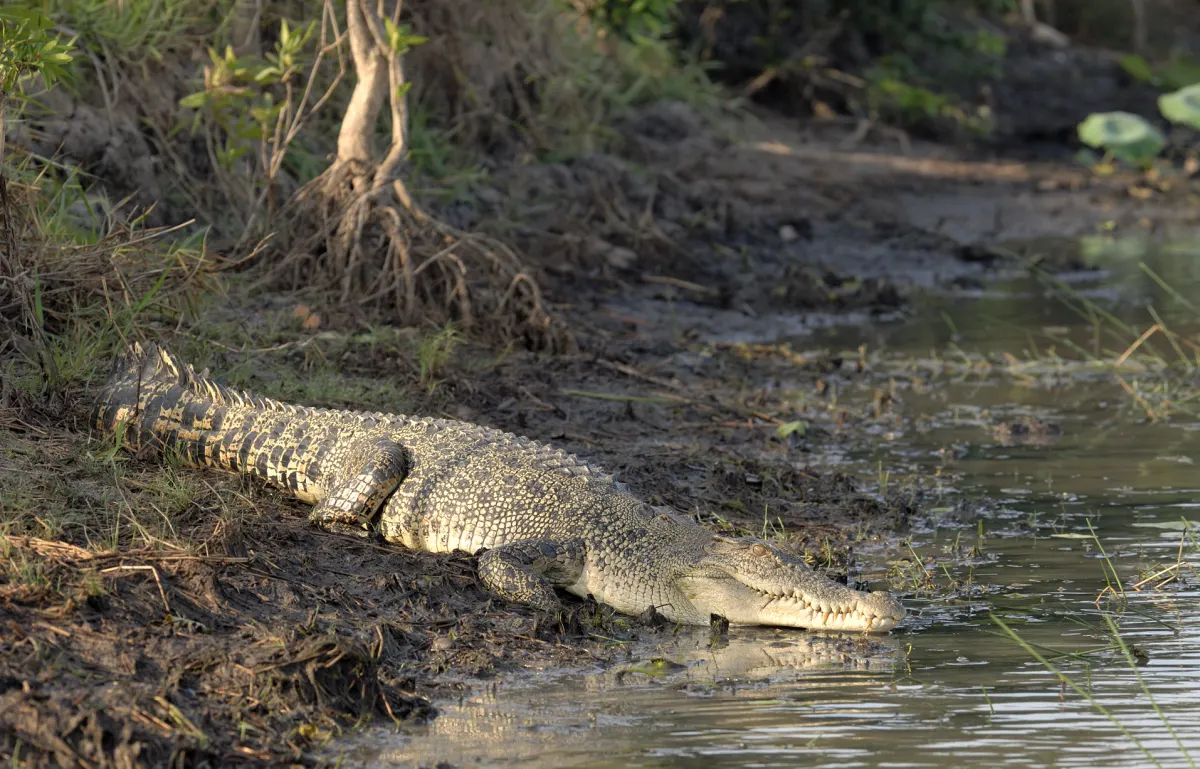
Saltwater crocodiles live in rivers, estuaries, swamps, billabongs and the sea across the north, from around Rockhampton in Queensland, through the Northern Territory, to Broome in Western Australia. They're big, fast and patient, and they kill people every few years, often locals who've become complacent. In croc country:
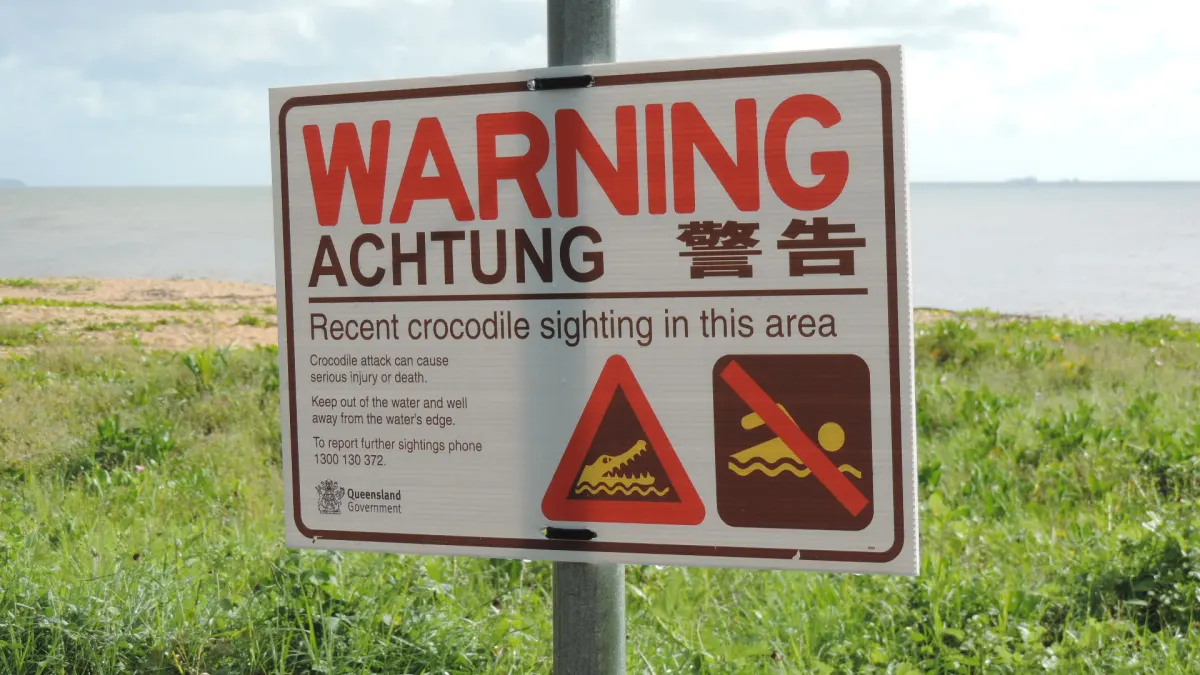
- Obey the warning signs, but assume crocodiles could be in any water, even where there's no sign.
- Don't swim in rivers, creeks, estuaries, billabongs or the sea unless it's a place the park authorities say is safe. In parks like Litchfield and Nitmiluk, rangers check some swimming holes and close them when they need to.
- Stay back from the water's edge, at least 5 metres, and don't stand on logs or overhanging banks to fish.
- Camp at least 50 metres from the water, don't leave food or fish scraps near it, and don't clean fish at the water's edge.
- Never feed crocodiles. It's illegal, and teaches them to come to people.
The safest way to see a big one is on a cruise, such as on the Daintree River or the Adelaide River near Darwin, or at a wildlife park like Hartley's Crocodile Adventures. See Queensland's Be Crocwise advice.
Snakes and spiders, in perspective
Australia has many venomous snakes, but bites are uncommon and deaths rare: there's antivenom for all of them, and most bites happen to people trying to catch or kill a snake. Snakes usually move away if they feel you coming.
- In the bush, wear boots and long trousers, watch where you put your feet and hands, and use a torch at night.
- If you see a snake, back away and leave it alone.
- If someone is bitten by a snake, call 000, keep them still and calm, and apply a pressure immobilisation bandage: a firm, wide bandage over the bite, then another up the whole limb, and a splint to keep it still. Don't wash, cut or suck the bite, and don't use a tourniquet. Carry a snake bandage if you're walking or camping in the bush. See Healthdirect for how.
- Spiders: the two to know are the redback, found all over Australia, often under outdoor furniture, in sheds and in outdoor toilets, and the funnel-web, found around Sydney and on the east coast. Bites are rare, and there have been no confirmed deaths from spider bites in Australia for decades. For a funnel-web bite, use a pressure immobilisation bandage as for a snake. For a redback bite, don't bandage it: put an ice pack on it. For both, get medical help.
Shake out boots and clothes left outside, and you'll probably never meet either. To see Australia's snakes and spiders safely, visit the Australian Reptile Park near Sydney or the Alice Springs Reptile Centre.
Other animals
- Mosquitoes can carry diseases such as Ross River virus, especially in the north and after rain: use repellent and cover up at dawn and dusk.
- Kangaroos and emus look gentle but can kick, and big male kangaroos can be aggressive: keep your distance, and don't feed wildlife.
- Swooping magpies defend their nests in spring (August to October): walk quickly through the area, and look out for warning signs on paths.
Animals on the road are a real danger at dusk and after dark: see driving in Australia. In an emergency, call 000. For advice on bites, the Poisons Information Centre is on 13 11 26, any time.
See also beach safety, sun and heat and bushfires and driving in Australia.

Comments