
Beach safety in Australia: flags, rip currents, jellyfish and sharks
The thing most likely to hurt a visitor to Australia is the sea. Rip currents cause far more deaths than sharks, snakes, spiders and crocodiles put together, and a few simple habits keep you safe.
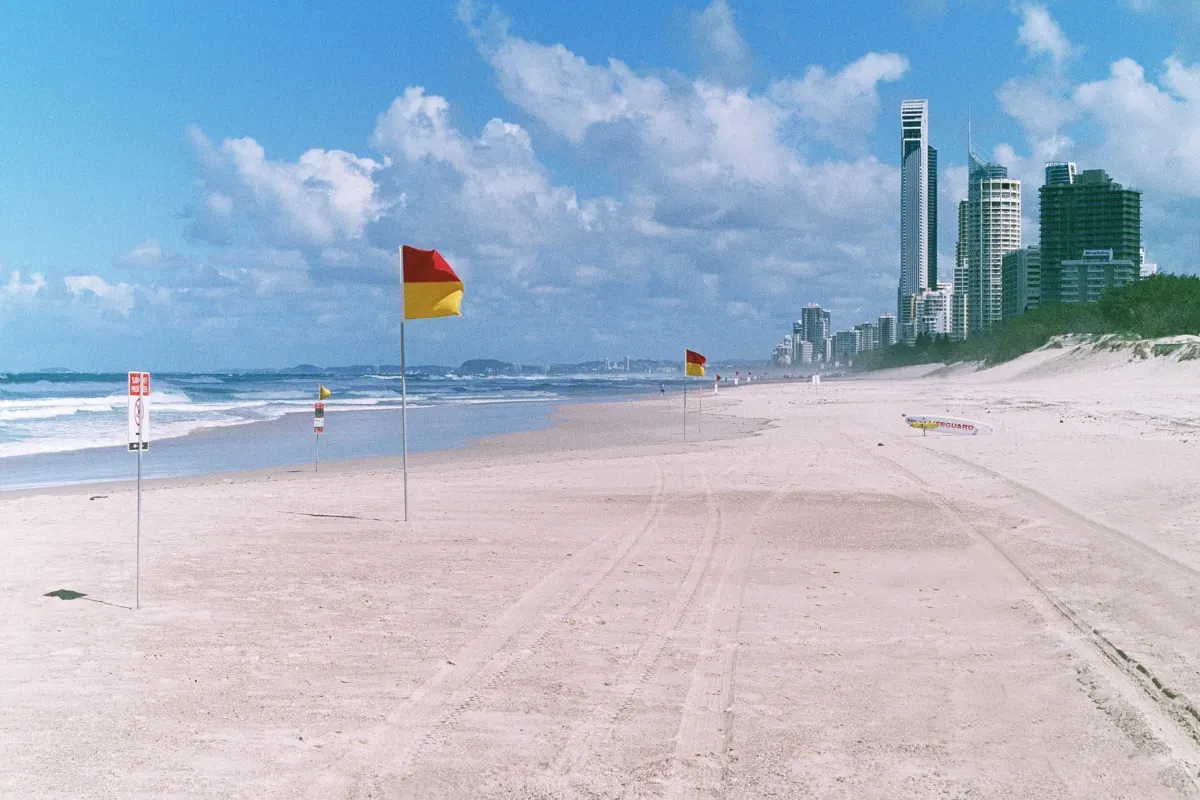
Swim between the flags
Many popular beaches are patrolled by volunteer surf lifesavers or paid lifeguards, usually in summer and at weekends, and they put up red and yellow flags to mark the safest place to swim, where they're watching. Always swim between them. Other signs to know:
- A red flag: the beach is closed. Don't swim.
- A yellow flag: take care, conditions are dangerous.
- No flags: the beach isn't patrolled, or the patrol has finished for the day. Many visitors drown at unpatrolled beaches, so if you can, go to one that's patrolled.
The free Beachsafe app from Surf Life Saving Australia shows which beaches are patrolled and when, and their hazards. If you're not a confident swimmer, stay in the shallows, and never swim alone, at night, or after drinking.
Rip currents
A rip is a strong current running out to sea, and most Australian surf beaches have them. They can look deceptively calm: a gap in the breaking waves, darker, deeper water, or a channel of rippled water or foam moving out. If you're caught in one:
- Stay calm and float. Don't try to swim straight back against it: you'll exhaust yourself.
- Raise an arm and call out to signal for help.
- The rip may carry you around and back to a sandbank. Or swim parallel to the beach, or towards the breaking waves, to get out of it.
If you see someone in trouble, tell a lifesaver or call 000. Don't swim out to them unless you have something that floats.
Marine stingers in the tropics
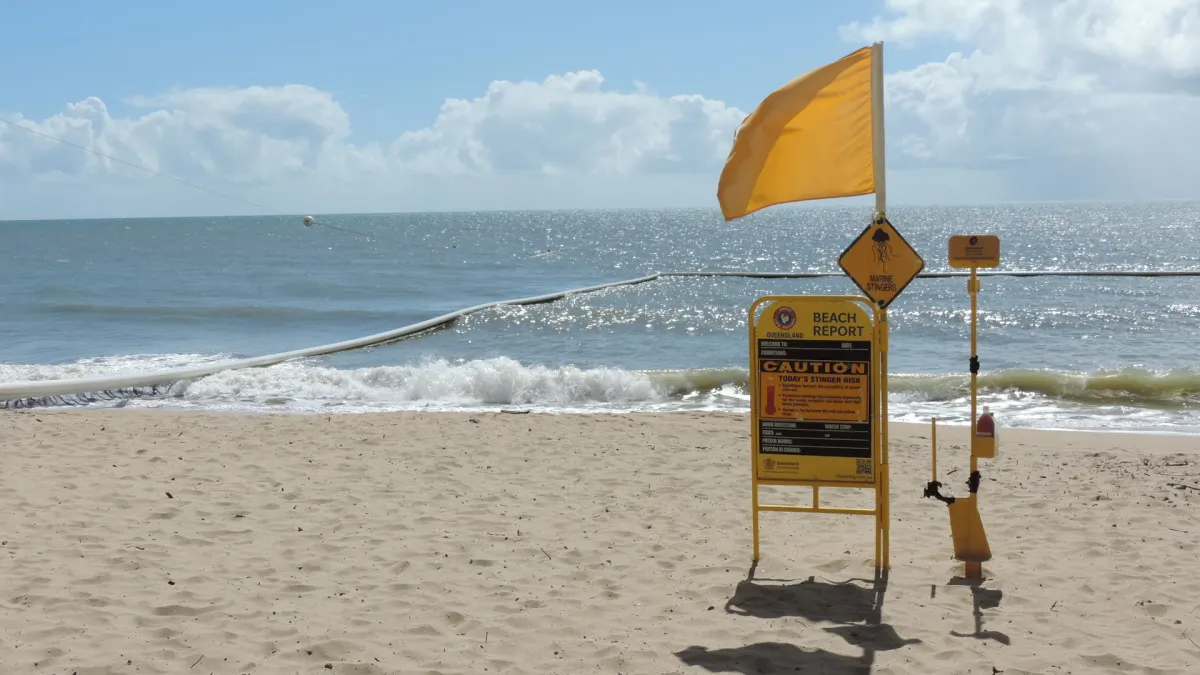
In the tropical north, roughly north of the Tropic of Capricorn, two kinds of jellyfish can be deadly: the box jellyfish and the tiny Irukandji. They're most common in the stinger season, from about November to May, though they can be found at other times.
- Swim in the stinger nets (enclosures) on patrolled beaches in places like Cairns, Port Douglas, Townsville and the Whitsundays. They keep out box jellyfish, but not Irukandji, which are small enough to get through.
- Wear a stinger suit, a full-body lycra suit. Reef tour operators provide them, and they protect you from sunburn too.
- If someone is stung, call 000, pour vinegar over the sting for at least 30 seconds (beaches in the north have vinegar stations), and start CPR if they stop breathing. Irukandji stings can seem minor at first, with symptoms developing 20 to 40 minutes later: if in doubt, get help.
Out on the Great Barrier Reef islands and pontoons, the tour company will tell you the local advice for the day.
Sharks
Shark attacks are rare, and many popular beaches have nets, drumlines or drone and helicopter patrols. Lower the small risk further by swimming between the flags, not swimming at dawn, dusk or night, staying out of murky water and river mouths, and keeping away from schools of fish, seals and people fishing. If the shark alarm sounds on a patrolled beach, get out of the water.
Other stings
- Bluebottles (Portuguese man o' war) wash up on the east coast in summer. Their stings hurt, but aren't dangerous: rinse with seawater, pick off any tentacles, and put the area in hot water (as hot as you can comfortably stand).
- Stonefish and stingrays: wear reef shoes on tropical reefs and rocks, and shuffle your feet in the shallows.
In an emergency, call 000. For advice on stings, the Poisons Information Centre is on 13 11 26, any time.
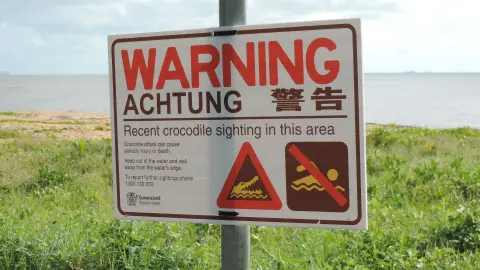
See also dangerous wildlife, sun and heat and bushfires and driving in Australia.




Comments