
Stargazing and the southern lights in New Zealand
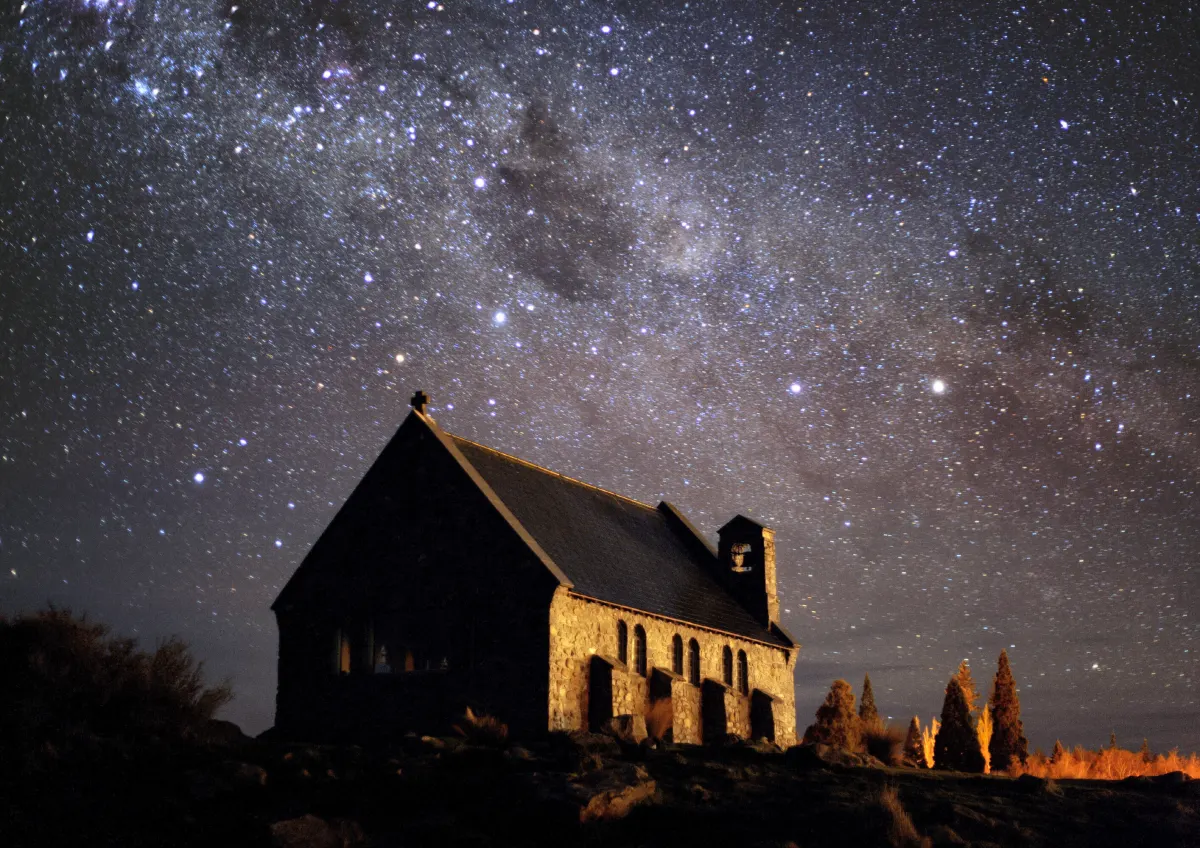
New Zealand has some of the darkest skies in the world, and stars you can't see from the north. You need no equipment: just a clear night, and somewhere away from the lights.
Where are the best places for stargazing?
Away from the towns, New Zealand's skies are some of the darkest in the world, and several areas are protected: the Aoraki Mackenzie reserve around Lake Tekapo, the Wairarapa, Great Barrier Island, Stewart Island, Kaikōura, Glenorchy, Oxford in Canterbury, Gibbston near Queenstown, and the village of Naseby.
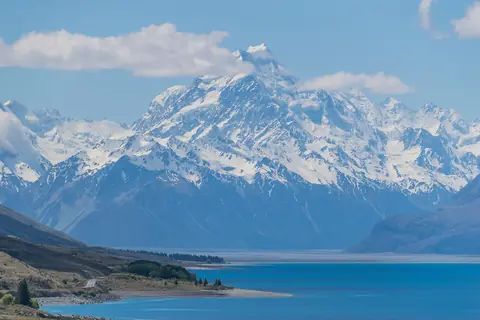
- Lake Tekapo is the easiest, with guided tours and a research observatory on Mount John, and tours from Aoraki/Mount Cook village too. Book ahead, and ask what happens if it's cloudy.
- The Church of the Good Shepherd at Lake Tekapo is the photo everyone takes, and gets busy at night. Keep torches and headlights off, and don't climb on the walls.
- The North Island: the Wairarapa is about an hour and a half from Wellington. Great Barrier Island is a short flight or a ferry of several hours from Auckland.
When to go
Choose a night near the new moon. Winter has the longest nights and the brightest Milky Way. In midwinter, the star cluster Matariki (the Pleiades) rises before dawn and marks the Māori new year, with a public holiday and events all over the country.
In midsummer, it isn't fully dark in the south until about 11 pm. Give your eyes 20 minutes away from any light, use a red torch, and take warm clothes, even in January: the high country is cold at night.
What can you see?
- The Southern Cross and its two pointers, in the sky all year.
- The Milky Way, with its bright centre overhead on winter evenings.
- The Magellanic Clouds: two small galaxies that look like patches of mist.
- Orion, upside down if you're used to seeing it from the north, on summer evenings.
Can you see the southern lights?
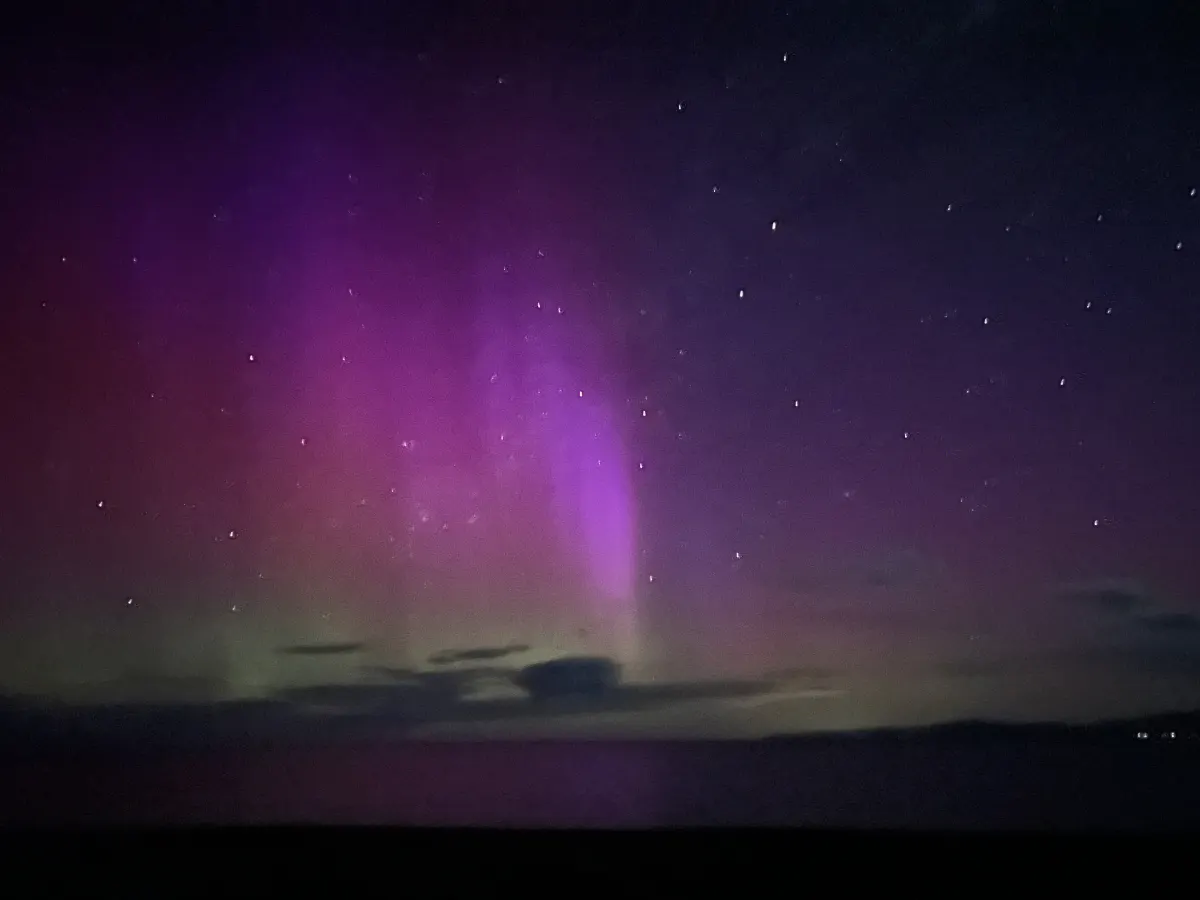
The southern lights (aurora australis) are seen from New Zealand too, but they're unpredictable: you need a solar storm and a clear, dark view to the south. The best chances are from Stewart Island, Southland, the Catlins, the Otago Peninsula and Lake Tekapo, between March and September. Watch an aurora alert app or website, and don't plan a trip around them. They often look like a pale glow to the eye, and only show their colours in a photo.
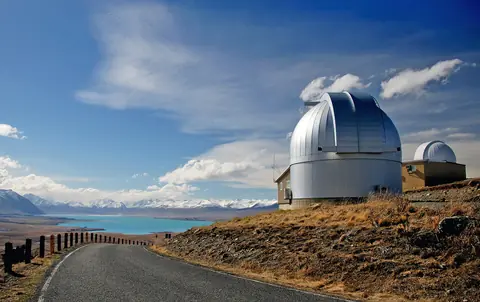
Stargazing at Mount John, Lake Tekapo
Lake Tekapo is in the Aoraki Mackenzie International Dark Sky Reserve, one of the largest in the world, created in 2012.

Lake Tekapo and the Church of the Good Shepherd
A turquoise glacial lake with a small stone church on its shore, beautiful at night under the stars of the Dark Sky Reserve, and covered in lupins in…
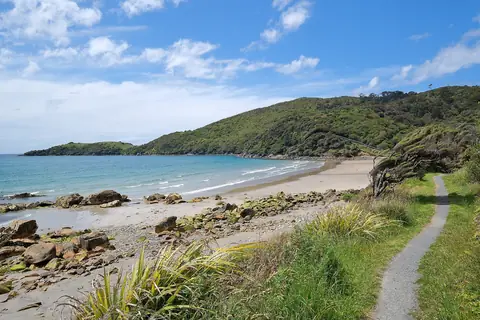
Rakiura Track and Stewart Island
Rakiura National Park covers most of Stewart Island, New Zealand's third island, across Foveaux Strait from Bluff.
More to see in New Zealand: wildlife, glowworms, Milford Sound or Doubtful Sound, glaciers, Hobbiton and the film locations and New Zealand with children. See also planning a trip to New Zealand and staying safe.

Comments