
Camping in New Zealand: campsites, DOC sites and freedom camping
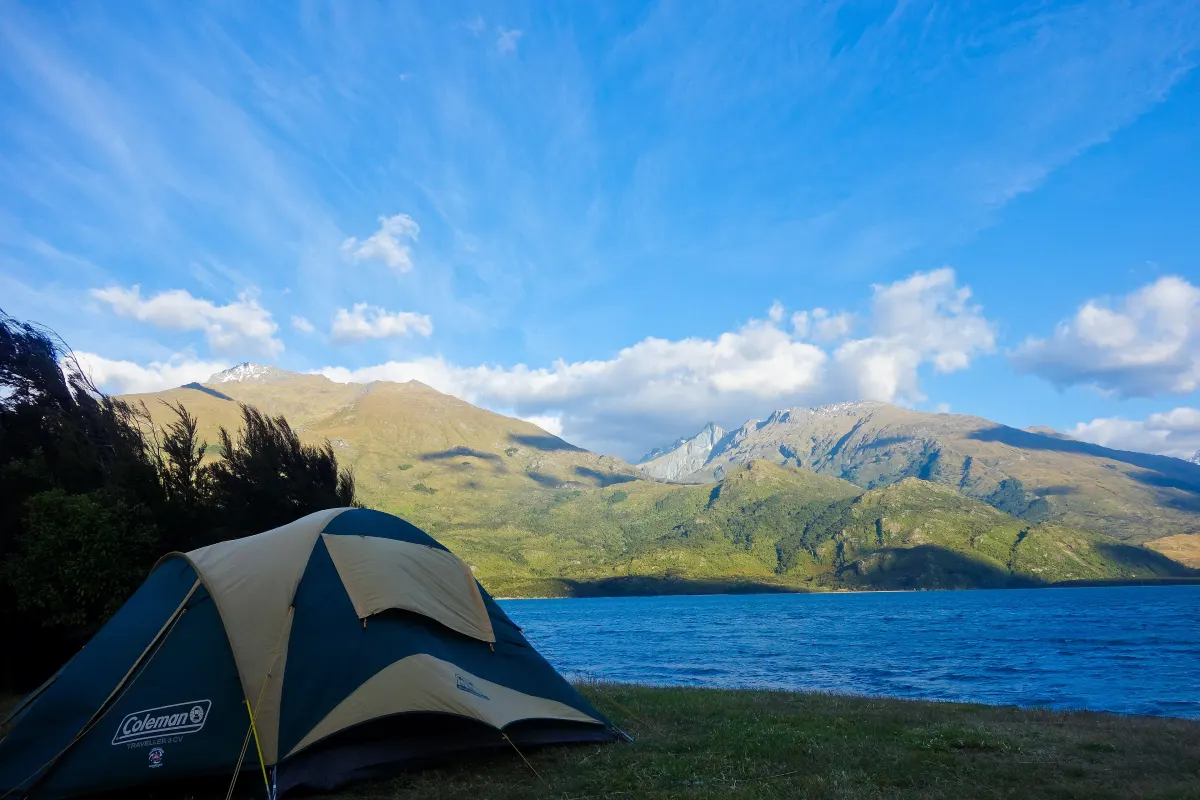
New Zealand is one of the best countries in the world to camp in, in a tent, a campervan or a motorhome. There are campsites by lakes, beaches and mountains all over the country, many run by the Department of Conservation (DOC) for a few dollars a night. But the days of parking anywhere for the night are over: where you can stay depends on your vehicle, and above all on whether it has its own toilet.
The rule to know first: you need a toilet
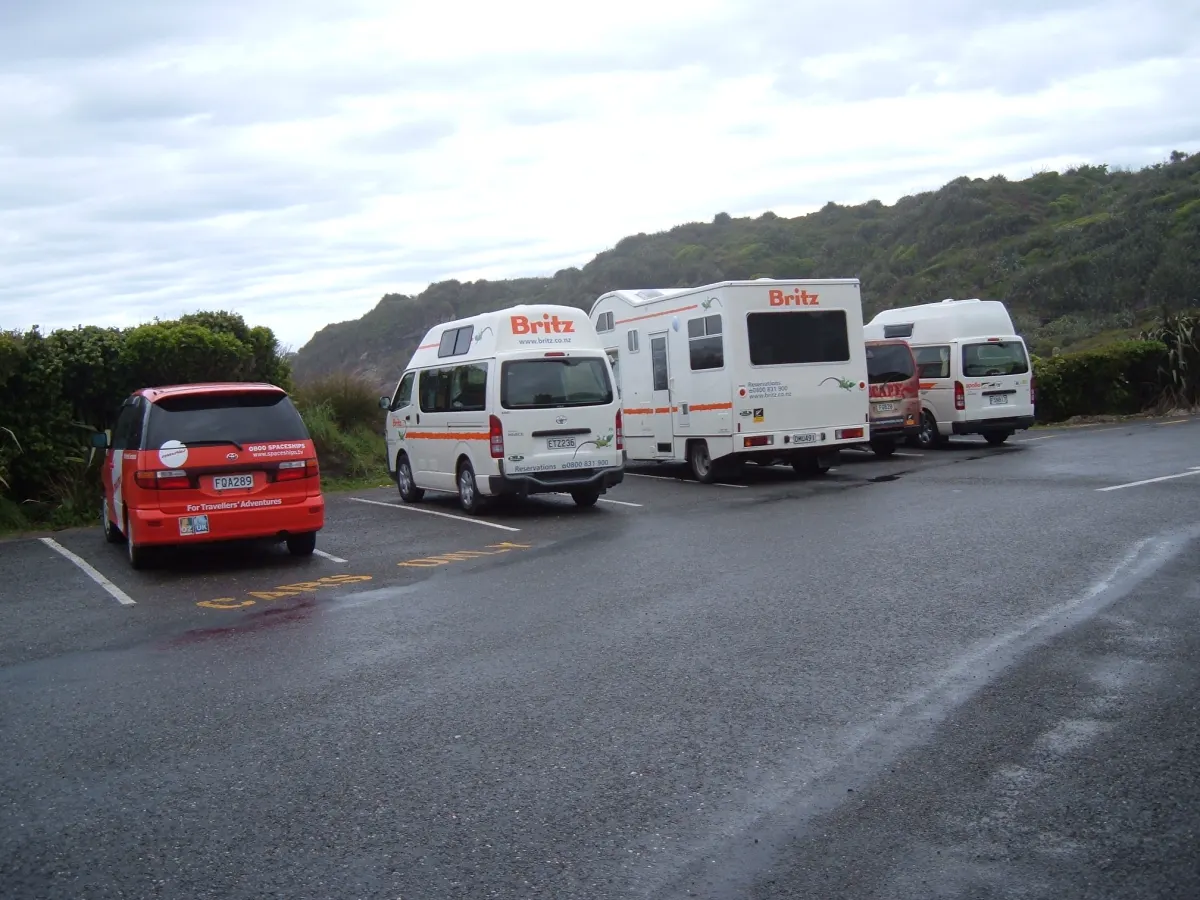
If your vehicle isn't certified self-contained, you must stay somewhere with a toilet: a holiday park, a DOC campsite, or a freedom camping site that the council has set aside for vehicles that aren't self-contained (these have public toilets). You can't pull into a lay-by, a car park or a beach front for the night.
- Certified self-contained means the vehicle has a fixed toilet that can be used inside it, fresh and waste water tanks, and a green self-containment warrant card displayed in the window. A portable toilet in a cupboard no longer counts, and the old blue warrants have expired.
- Many cheaper rental campervans and converted vans aren't self-contained. If you want to freedom camp, check before you book that the vehicle has a green warrant.
- Breaking the rules can get you fined on the spot, and rental companies pass fines on to you, with an admin fee.
Holiday parks
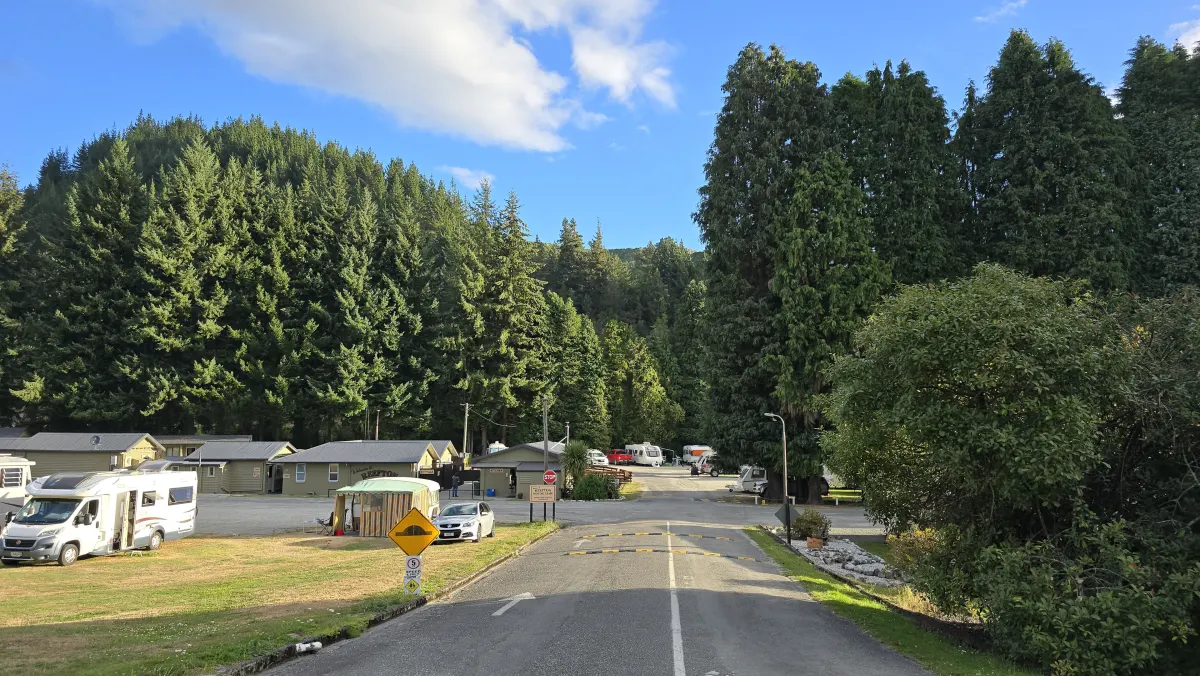
Commercial holiday parks are in almost every town and at most of the popular sights. They have powered sites for campervans, tent sites, and often cabins and motel units, with hot showers, kitchens, laundries, and somewhere to empty your van's waste tanks. They cost the most, but they're the easiest choice, especially on your first night with a new van or in bad weather. Book ahead from Christmas to the end of January, and at Easter.
DOC campsites
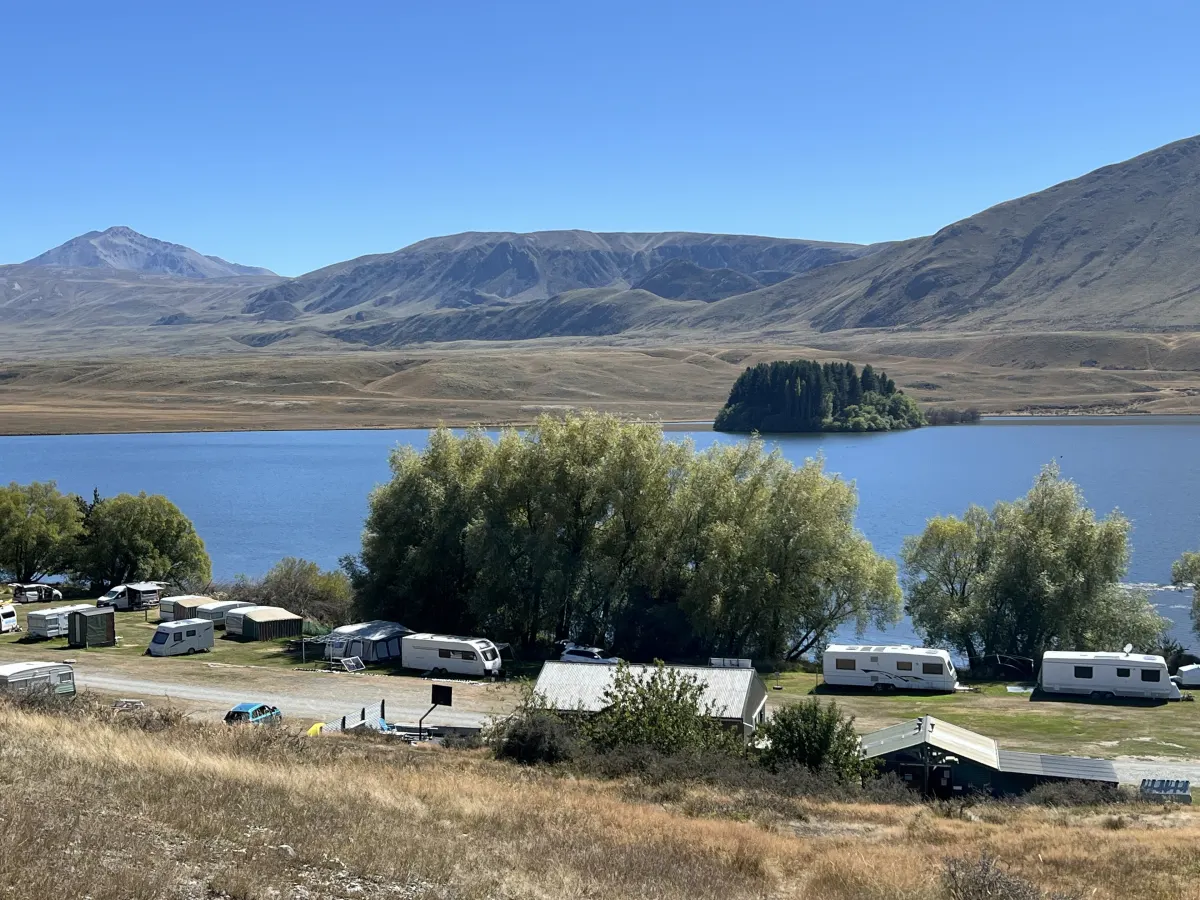
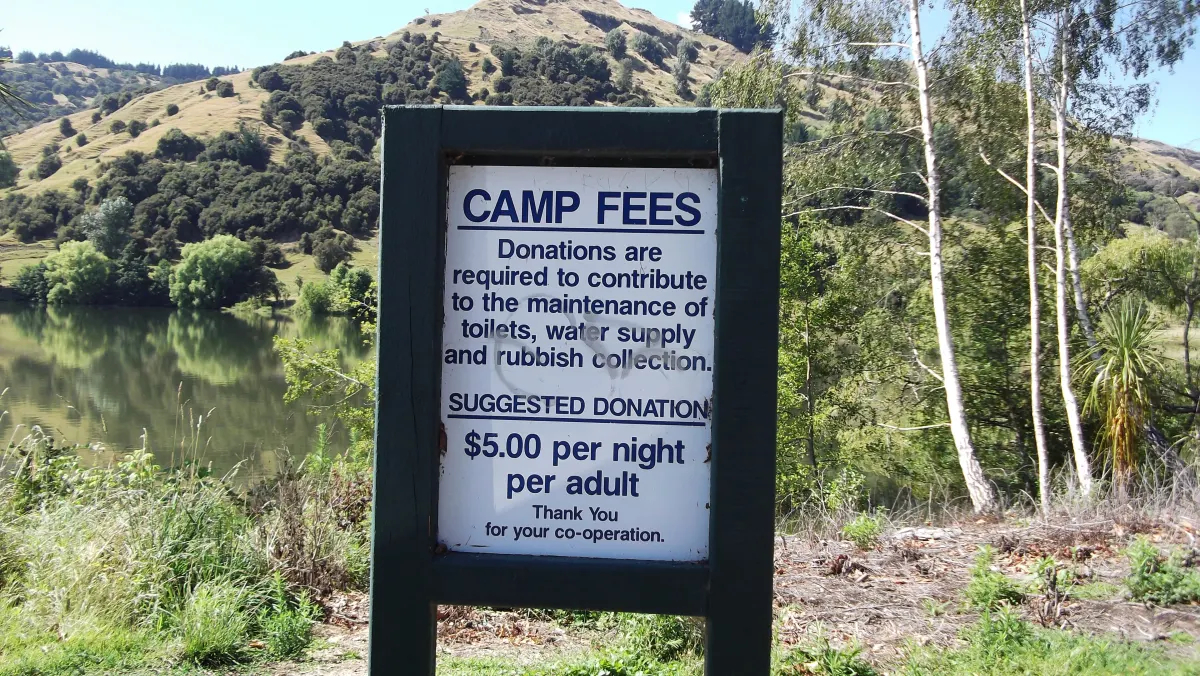
The Department of Conservation runs more than 200 campsites, often in the best places: by lakes, rivers and beaches, and in the national parks. You can find them all on the DOC website, and there are hundreds on this site, in Campsites in New Zealand. There are a few kinds:
- Serviced campsites have flush toilets, hot showers, a kitchen and often powered sites. They must be booked.
- Standard and scenic campsites have toilets and water, sometimes cold showers. Some popular ones have to be booked in summer; at most, you pay at a self-registration stand when you arrive.
- Basic campsites are free, with a toilet (often a long drop) and little else, and sometimes water from a stream that you should boil or treat before drinking.
- Backcountry and Great Walk campsites are on walking tracks, for camping with a tent you carry in. The Great Walk sites must be booked.
Each campsite's page on the DOC website says whether you need to book, what it costs, and whether it's suitable for campervans: some have narrow gravel roads or are walk-in only. The DOC facilities and fees page explains the categories.
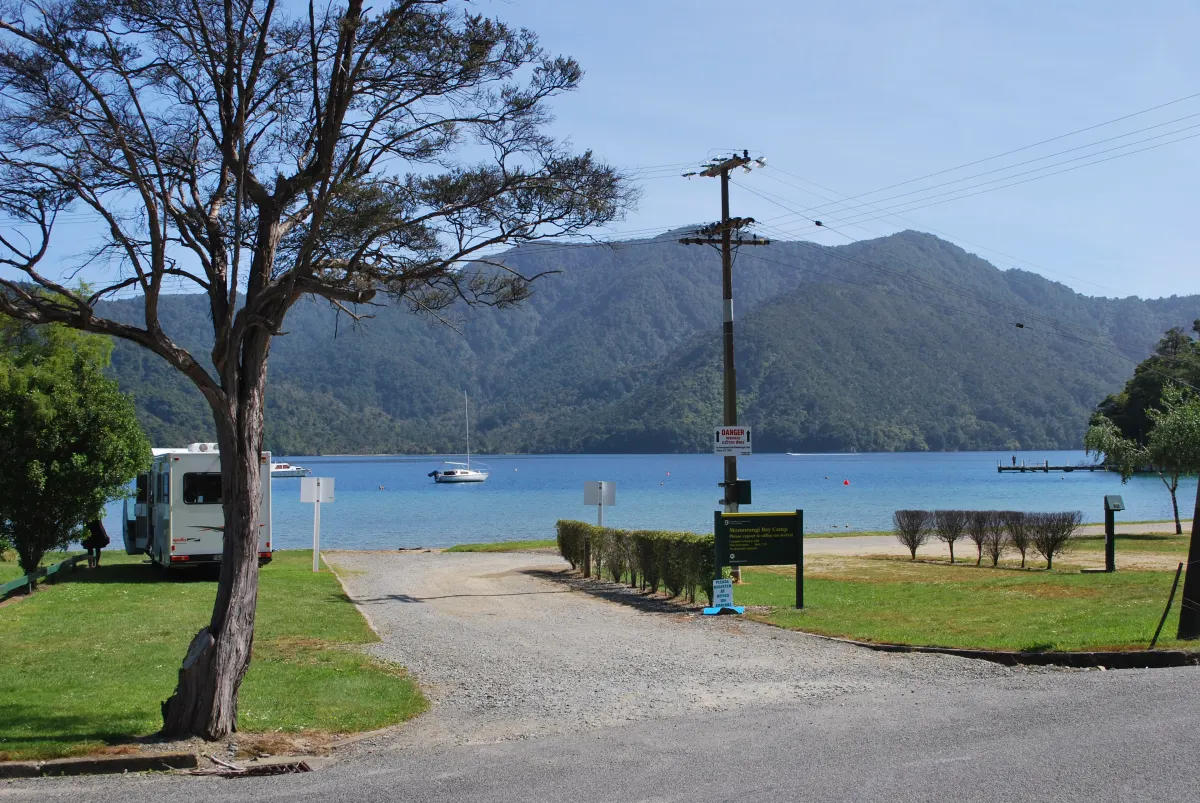

Peel Forest Campground
Peel Forest Campground has campsites and four cabins.

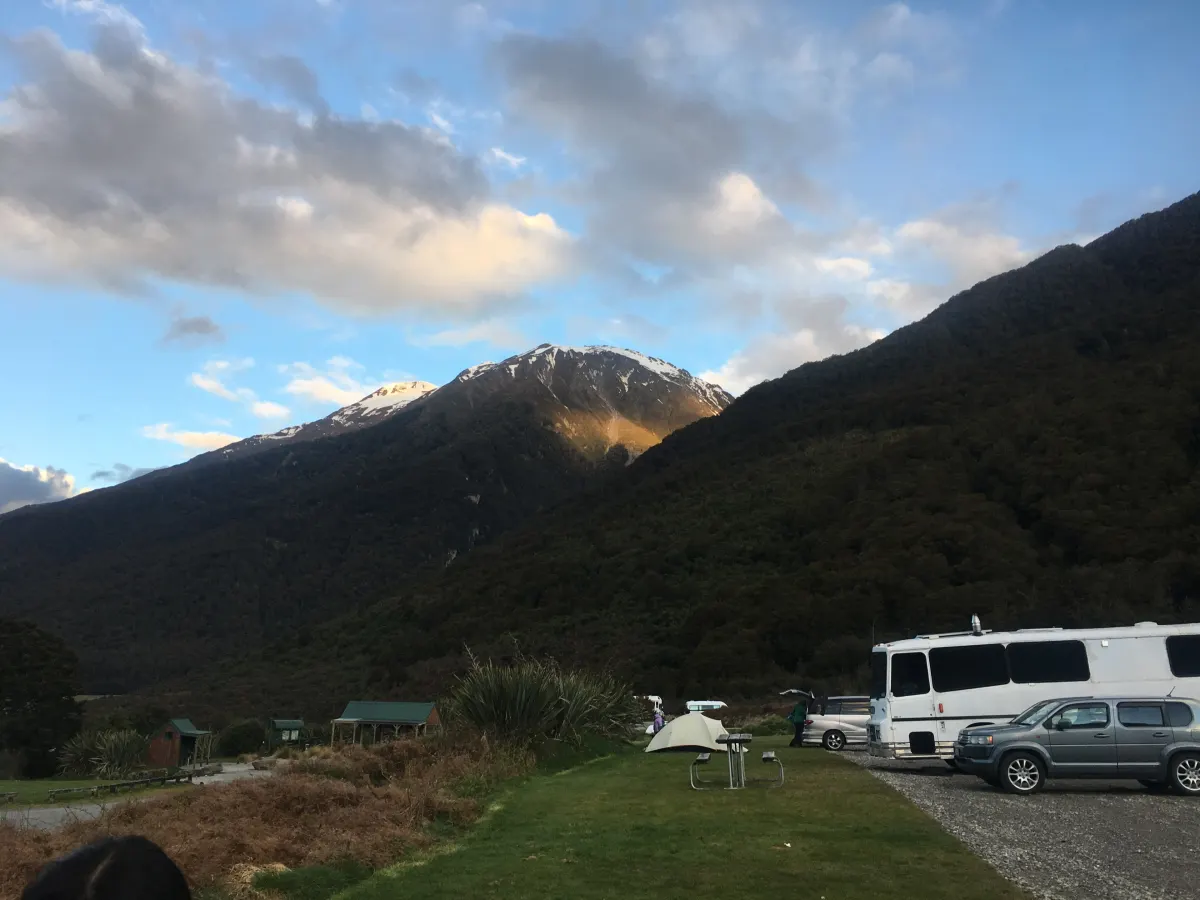
White Horse Hill Campsite
Camp beneath magnificent alpine scenery including Mt Sefton.

Tōtaranui Campground
Camp next to the clear waters and golden sands of Tōtaranui beach at the northern end of the Abel Tasman National Park.
Freedom camping
Freedom camping means staying the night somewhere that isn't a campsite, for free. It's still allowed in many places, but within strict rules:
- On council land (roadside rest areas, car parks and reserves run by the district council), you can only freedom camp in a certified self-contained vehicle, unless the council has marked the site for vehicles that aren't self-contained. Each council has its own rules, often with a limit of one or two nights, and many towns, beaches and lookouts don't allow it at all.
- On DOC land, freedom camping is allowed in some places and not others. DOC's freedom camping page has maps of where you can and can't stay. In the national parks, stay at the campsites.
- In a tent, you need somewhere with a toilet too: use a campsite or a site set aside for tents.
- Always read the signs. A "No camping" or "No overnight parking" sign means what it says, even if other vans are there. If a sign isn't clear, ask at the local i-SITE visitor centre.
Apps such as CamperMate show campsites, freedom camping sites, public toilets, dump stations and petrol stations on a map, with reviews from other campers, and work offline.

Mavora Lakes Campsite
Mavora Lakes Campsite has two main (standard) camping areas: one alongside South Mavora Lake, and the other between South Mavora Lake and North Mavor…

Lake Paringa Campsite
Enjoy boating, fishing and swimming in the lake and walk the Haast to Paringa Cattle Track.

Ahuriri Bridge Campsite
Camp on the bank of the Ahuriri River under the shade of willow trees.
Camping well
- Empty waste tanks only at a dump station, never in a drain, a public toilet or the ground. There are dump stations at holiday parks, some petrol stations and council sites.
- Take your rubbish with you if there are no bins, and leave the site as you found it.
- Check for fire bans before lighting a campfire or a barbecue: many areas ban open fires in summer. Check it's alright shows the restrictions for anywhere in the country.
- Don't camp by rivers when heavy rain is forecast: rivers in New Zealand rise fast.
- Be ready for sandflies on the West Coast and in Fiordland: bring insect repellent and keep the van doors closed at dusk.
- Arrive early at popular campsites in summer, as the sites that can't be booked fill up by mid-afternoon.
For the rules of the road, see Driving in New Zealand. For road trips with campsites on the way, see 7 days in the South Island and 7 days in the North Island.


Comments
No comments yet.