
Weather, seasons and what to pack for New Zealand
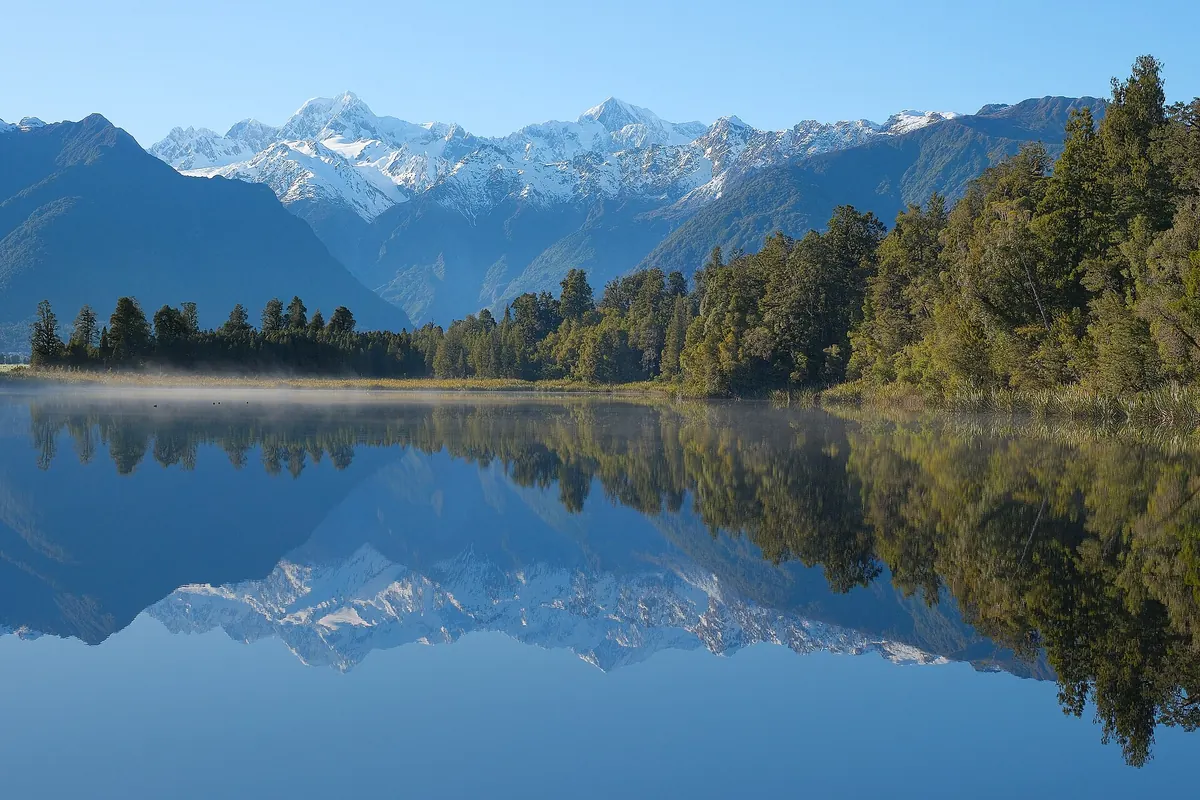
New Zealand's weather changes fast. It's a long, narrow country of mountains in the middle of the ocean, so a sunny morning can turn into a cold, wet afternoon, and the locals talk about "four seasons in one day". It rarely gets very hot or, outside the mountains, very cold, but you need to be ready for anything, whenever you go.
The seasons
The seasons are the opposite of the northern hemisphere's.
- Summer (December to February): warm and long days, often 20 to 30°C, and light until about 9:30 pm. The best time for beaches, walking and camping, and the busiest: New Zealanders take their main holidays from Christmas to late January, so book ahead.
- Autumn (March to May): often the most settled weather, with fewer people, warm days and cool nights, and golden trees in Central Otago and Arrowtown. A good time for a road trip.
- Winter (June to August): mild and wet in the north, cold and often clear in the south, with frosts, snow on the mountains and the passes, and short days. The ski season runs from about June to October.
- Spring (September to November): changeable and often windy, with lambs in the fields, waterfalls in full flow and snow still on the peaks. Prices are lower until the summer rush.
Where the weather is different
- The north of the North Island is subtropical: mild all year, humid in summer, with rain in winter.
- The West Coast and Fiordland get a lot of rain, at any time of year: Milford Sound is one of the wettest places in the world. The good news is that waterfalls are at their best after it.
- The east of both islands, such as Hawke's Bay, Marlborough, Canterbury and Central Otago, is drier and sunnier, with hot summers and frosty winters inland.
- Wellington is famous for its wind.
- In the mountains, it can snow in any month, and the weather can turn from fine to dangerous in an hour.
Check the forecast on MetService every day, and the mountain forecasts before a walk.
The sun is stronger than you think
New Zealand has some of the strongest sunlight in the world, with clear air and less ozone overhead than in Europe or North America. In summer, you can burn in as little as 15 minutes, even on a cool or cloudy day. Wear sunscreen (SPF 50), a hat and sunglasses, and cover up in the middle of the day. Locals call it "slip, slop, slap and wrap".
What to pack
- Layers: a few thin layers you can add or take off are better than one thick coat. Merino wool, which New Zealand is known for, is warm, light and doesn't smell.
- A waterproof jacket, even in summer, and a warm hat and gloves if you're going into the mountains or visiting in winter.
- Sunscreen, a sunhat and sunglasses, all year.
- Insect repellent for sandflies on the West Coast and in Fiordland.
- Walking shoes or boots that are comfortable and have a good grip. Clean them before you pack them: they'll be checked at the border.
- Swimwear: there are hot pools all over the country.
- A plug adaptor: New Zealand uses the same three-pin plugs as Australia (type I), at 230 volts.
Tap water is safe to drink almost everywhere, so bring a water bottle.
Plan for bad weather
Boat trips, scenic flights, glacier landings and some walks depend on the weather, and are often cancelled at short notice. If something matters to you, such as a flight over the glaciers or a cruise on Milford Sound, give yourself two days there, so you can try again the next day, and have a rainy-day plan: a museum, a hot pool or a café.
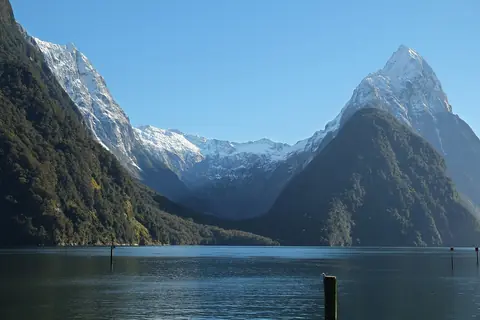
Milford Sound cruise
Milford Sound (Piopiotahi) is a fiord in Fiordland National Park, where sheer cliffs and Mitre Peak rise straight out of the sea.

Franz Josef Glacier (Kā Roimata o Hine Hukatere)
One of the few glaciers in the world that descends almost into temperate rainforest.
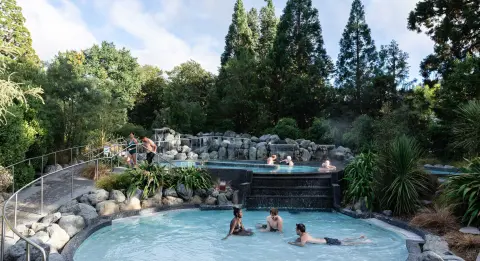
Hanmer Springs Thermal Pools and Spa
Natural thermal pools in the alpine village of Hanmer Springs, open since 1883.
See also walking and tramping safely and driving in New Zealand in winter.

Comments
No comments yet.