
Wildlife in New Zealand: Where to see kiwi, penguins, seals, whales and dolphins
New Zealand's animals are unlike anywhere else's: birds that don't fly, the rarest penguins in the world, and whales close to the shore. Many depend on the season or the time of day, and nobody can promise you'll see them, so here's how to give yourself the best chance.
Where can you see kiwi?
Kiwi are shy and come out at night, so very few people see one by chance. There are two ways:
- In the wild: your best chance is on Stewart Island/Rakiura, where guided night trips look for them, or on a guided night tour of a predator-free sanctuary, such as Zealandia in Wellington, which has little spotted kiwi. Kāpiti Island, north of Wellington, and Tiritiri Matangi, near Auckland, are island sanctuaries where you can stay overnight and listen for them. Nobody can promise you'll see one.
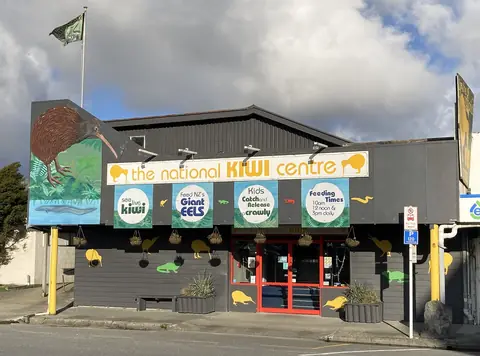
- In a nocturnal house, where day and night are swapped: the National Kiwi Centre in Hokitika and several zoos and wildlife parks in the North and South Islands. It's the easy way, and you're almost sure to see one.
If you look for kiwi yourself, use a torch with a red filter, stay quiet, and never use a flash or touch one.
National Kiwi Centre, Hokitika
A small wildlife centre in the middle of Hokitika where you can see kiwi in a darkened nocturnal house, and giant longfin eels, some of them very old…

Zealandia Ecosanctuary, Wellington
The world's first fully fenced urban ecosanctuary: 225 hectares of forest valley in the suburb of Karori, surrounded by a predator-proof fence, just …
Rakiura Track and Stewart Island
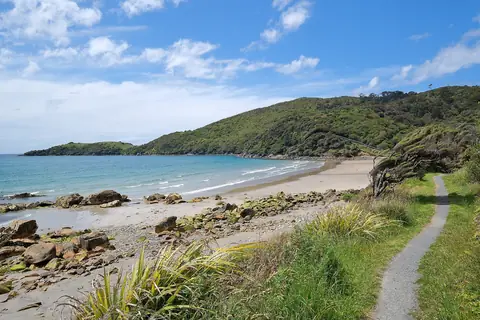
Rakiura National Park covers most of Stewart Island, New Zealand's third island, across Foveaux Strait from Bluff.
Penguins, seals and albatrosses
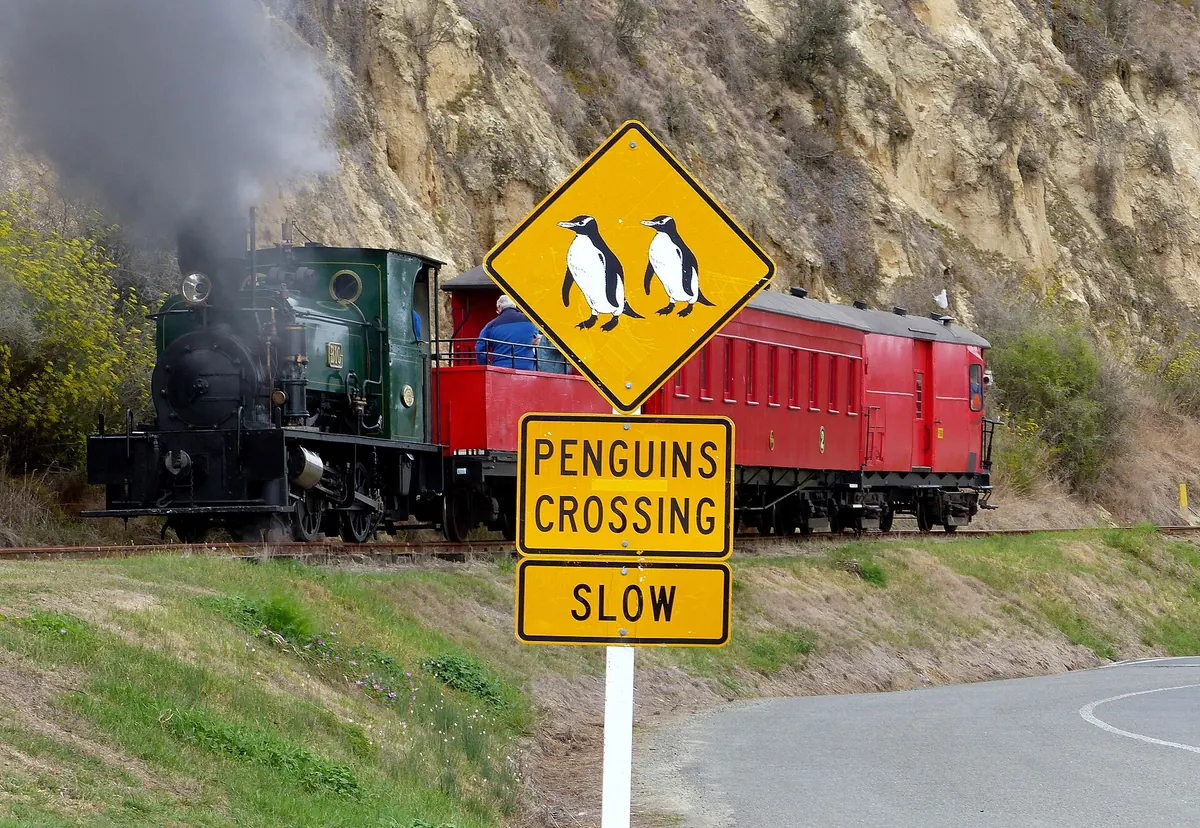
- Little blue penguins, the smallest in the world, come ashore at dusk. The viewing stands at Oamaru and on the Otago Peninsula are the easiest places. They're there much of the year, with the best numbers usually in November and December.
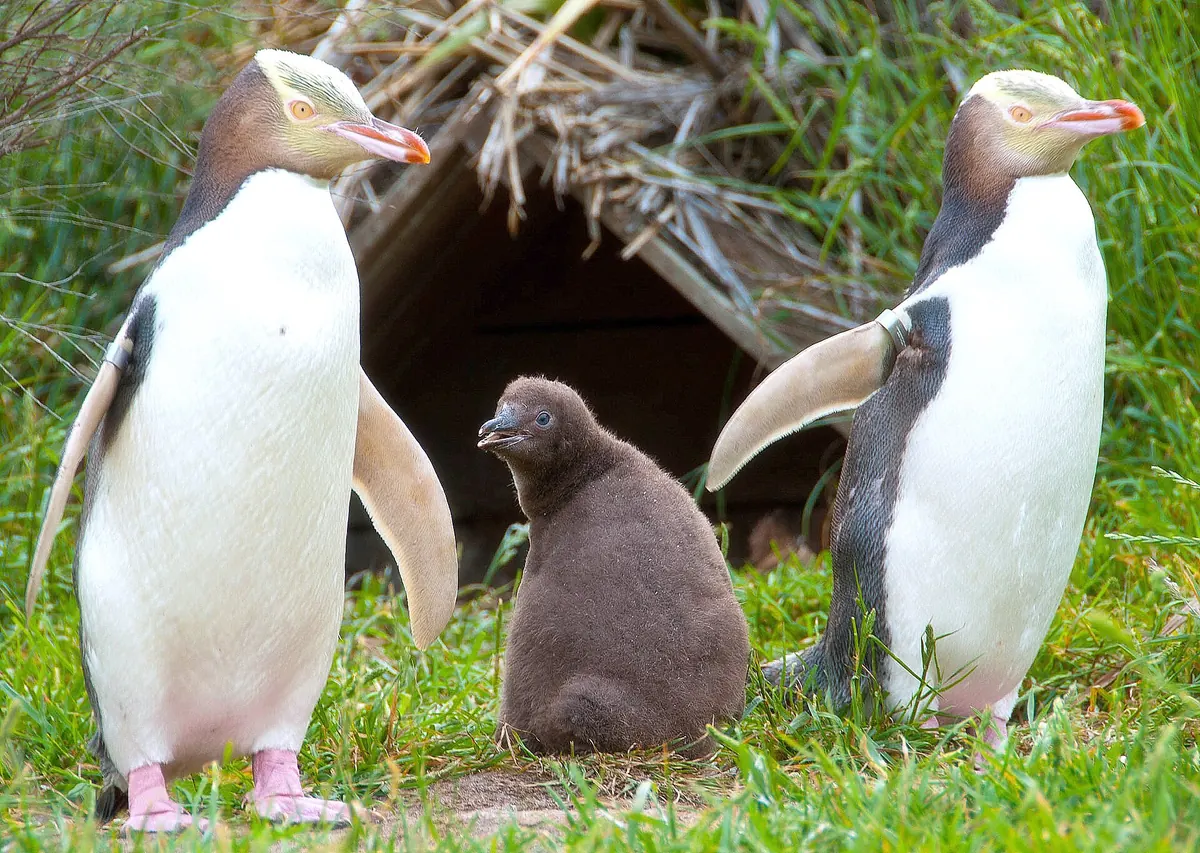
- Yellow-eyed penguins (hoiho) are among the rarest penguins, and their numbers on the mainland have fallen sharply. Look from a hide or lookout at Kātiki Point, or near Nugget Point, or go with a guide, in the late afternoon. Don't go down to the beach: they won't come ashore to feed their chicks if they can see you.
- Fiordland crested penguins (tawaki) nest along the far south-west coast. You may see them at Monro Beach from about July to December.
- Fur seals are easy to see all year around Kaikōura and Cape Foulwind.
- Albatrosses nest at the Royal Albatross Centre on the Otago Peninsula, the only mainland colony in the world.

Royal Albatross Centre, Otago Peninsula
Taiaroa Head is the only place in the world where royal albatrosses breed on a mainland.
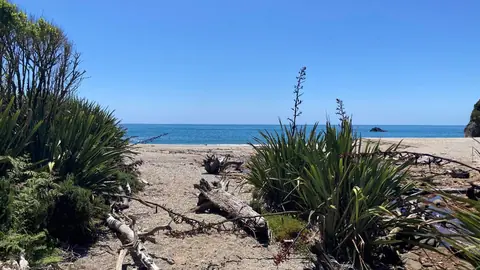
Monro Beach, South Westland
An easy, well-formed track through luxuriant coastal forest, full of tūī, bellbirds and kererū, to the remote Monro Beach.
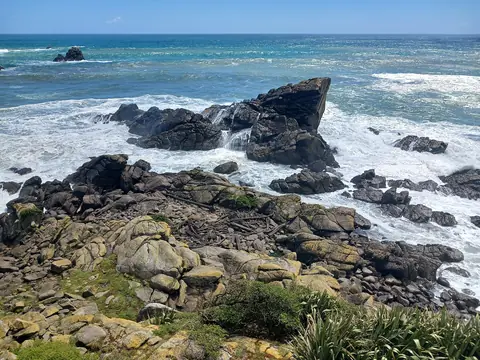
Cape Foulwind Walkway and seal colony
A clifftop walk along the headland west of Westport, between the lighthouse at Cape Foulwind and Tauranga Bay, with big views of the wild coast and t…
Whales and dolphins
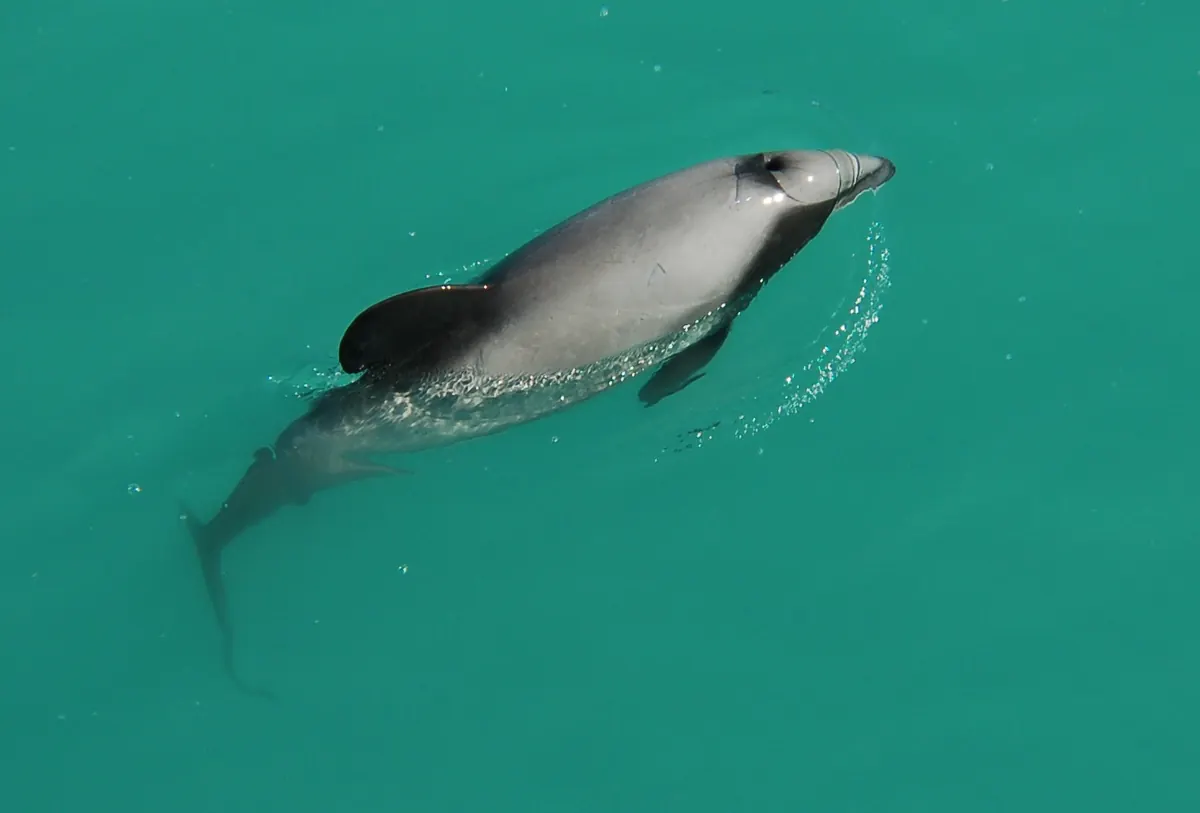
Kaikōura is the place for whales: sperm whales live there all year, humpbacks pass in June and July, and orca are most often seen from December to March. Big groups of dusky dolphins are there too. Tiny Hector's dolphins, found only in New Zealand, swim in Akaroa Harbour and along the Catlins coast, and bottlenose dolphins are often seen in the fiords and around the Bay of Islands. Trips are cancelled in rough seas, so book for your first day there.
Keep your distance from animals on the shore: at least 20 m from seals and sea lions. If you're out in a boat, keep at least 50 m from whales, and 200 m from a mother with a calf, and go slowly near any marine mammal. DOC's sharing our coasts page has the rules. You can't swim with whales, or with dolphins that have very young calves.
More to see in New Zealand: glowworms, Milford Sound or Doubtful Sound, glaciers, Hobbiton and the film locations, stargazing and the southern lights and New Zealand with children. See also planning a trip to New Zealand and staying safe.


Comments