
Seeing New Zealand's glaciers: Franz Josef, Fox and the Tasman
New Zealand's glaciers are among the easiest in the world to get close to, but they're shrinking fast, and older guidebooks describe walks that no longer exist. Here's what you can still see, and how.
Can you still walk on the glaciers?
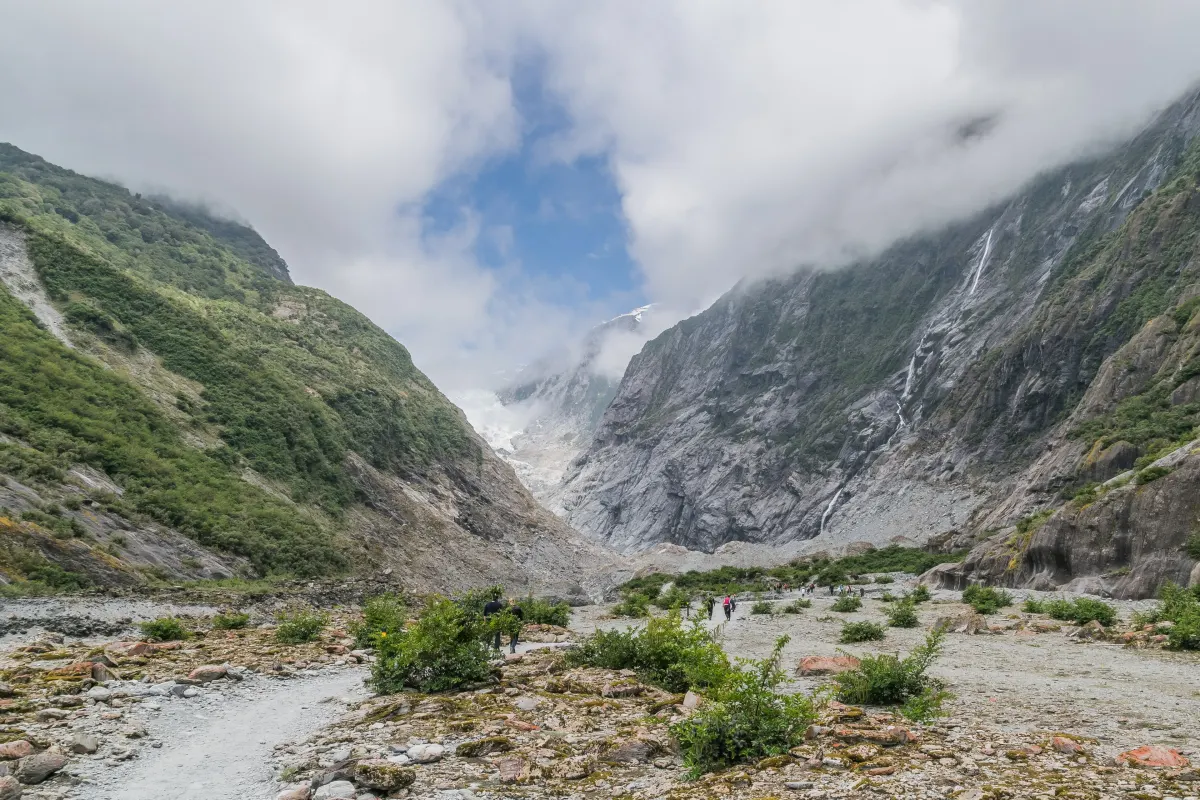
Not on your own. The Franz Josef and Fox glaciers have shrunk a long way back up their valleys, and the rivers and landslides have cut the old paths. From the valley at Franz Josef, the walk ends at a viewpoint, and there's a charge for parking at the car park. The old road up the Fox valley has been closed since 2019, but there's a walk to a viewpoint on the south side. The only safe way onto the ice is a guided heli-hike or a helicopter flight that lands there, both of which depend on the weather. Check the daily conditions before you go.
Franz Josef or Fox?
- Franz Josef has the bigger village, with more places to stay and hot pools. From the car park, the walk to the valley viewpoint is an easy 1.7 km, about 30 minutes return. Parking is NZ$2.50 for half an hour or NZ$20 a day, by card only, with the first 10 minutes free. Nearby, Peters Pool is a short, accessible walk to a lake that reflects the valley.
- Fox is quieter, and has Lake Matheson, which reflects Aoraki/Mount Cook and Mount Tasman on a still morning.
The villages are about half an hour apart, so if the weather is good, do both. The choice matters less than a clear day: cloud often builds up later on, so go out early.
Getting onto the ice
- A heli-hike lands you on the glacier for a guided walk of a few hours, with boots and crampons supplied. You need to be reasonably fit, and there's a minimum age and a weight limit, so check when you book.
- A scenic flight with a snow landing is shorter, and needs no fitness.
- Both are often cancelled for cloud, wind or rain. Book for your first morning, so there's time to try again, and allow two nights if it's important to you.
Never go past the barriers in the valleys. Ice and rock fall without warning, and the rivers rise in minutes.
Glaciers without a helicopter
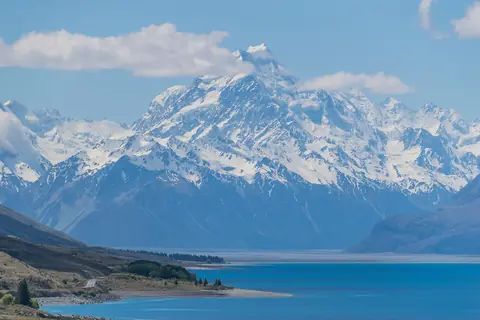
For glaciers without a helicopter, walk the Hooker Valley or the Rob Roy Glacier Track, or look down on the Tasman Glacier and its lake.
- Hooker Valley: 10 km return and mostly flat, to a lake with icebergs below Aoraki/Mount Cook. Check that the whole track is open before you go. Parking at White Horse Hill is NZ$2.50 for half an hour or NZ$25 a day, by card. Kea Point, from the same car park, is a shorter walk to a view of the Mueller Glacier's lake.
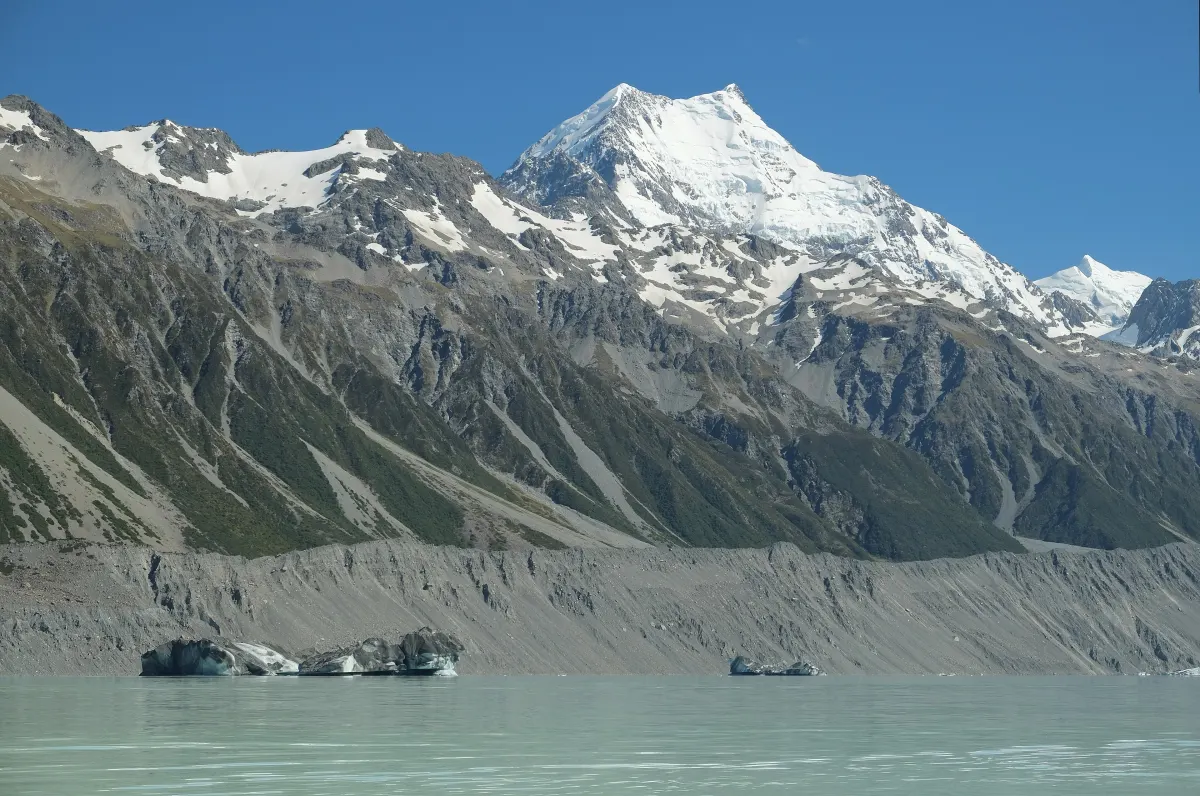
- Tasman Glacier: about 30 minutes return, up steps, to the viewpoint over the country's biggest glacier. DOC plans to charge for this car park too. In summer, boats go out among the icebergs.
- Rob Roy: half a day, with a steep climb through beech forest to a view of a hanging glacier. The road from Wānaka is partly gravel, with fords.

Franz Josef Glacier (Kā Roimata o Hine Hukatere)
One of the few glaciers in the world that descends almost into temperate rainforest.
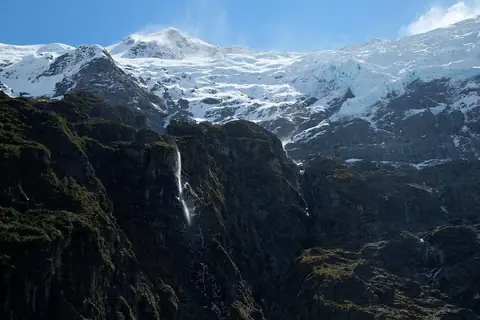
Rob Roy Glacier Track, Mount Aspiring National Park
One of the best day walks in New Zealand, in Mount Aspiring National Park: a 10 km return track from the Matukituki Valley across a swing bridge and …
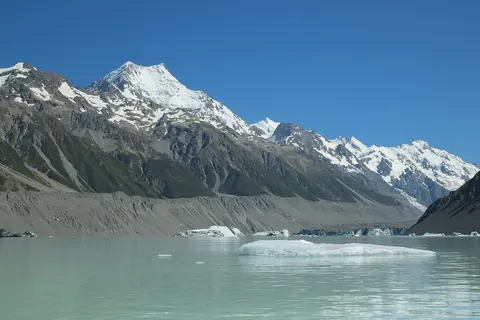
Tasman Glacier and Tasman Lake
New Zealand's largest glacier, ending in a grey lake full of icebergs in the valley beside Aoraki/Mount Cook.
More to see in New Zealand: wildlife, glowworms, Milford Sound or Doubtful Sound, Hobbiton and the film locations, stargazing and the southern lights and New Zealand with children. See also planning a trip to New Zealand and staying safe.


Comments