
Staying safe in New Zealand: theft, swimming, animals, water and driving
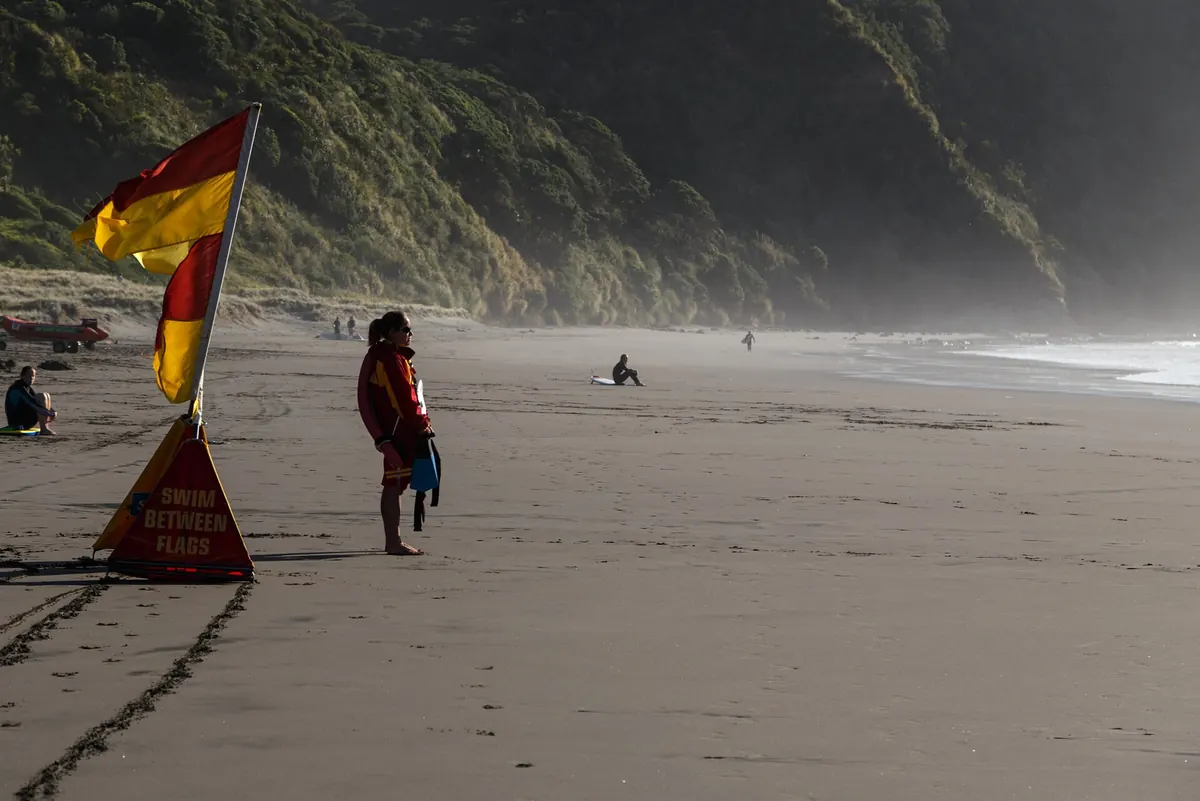
New Zealand is one of the safer countries to travel in. There's nothing in the bush that will eat you, and violent crime against visitors is rare. The real dangers are the roads, the sea, the rivers and the weather, and they catch out people who aren't expecting them. For walks in the hills, read walking and tramping safely too.
Is it safe to travel alone?
Yes, for men and women. It's easy to meet people in hostels, on buses and on tours. Take the same care as at home: keep to lit, busy places in towns late at night, and tell someone your plans. If you're walking alone, carry a personal locator beacon. The police advise against hitchhiking, and never to do it on your own.
Theft
The most common crime against visitors is theft from parked cars and campervans, especially at lookouts, beaches and the start of walking tracks. Don't leave bags, maps or anything that shows you're a visitor in sight, lock up every time, and keep your passport and money with you. Report a theft to the police on 105, the non-emergency number, so you have a report for your insurance.
Are there dangerous animals or insects?
There are no snakes, no crocodiles, and no large predators.
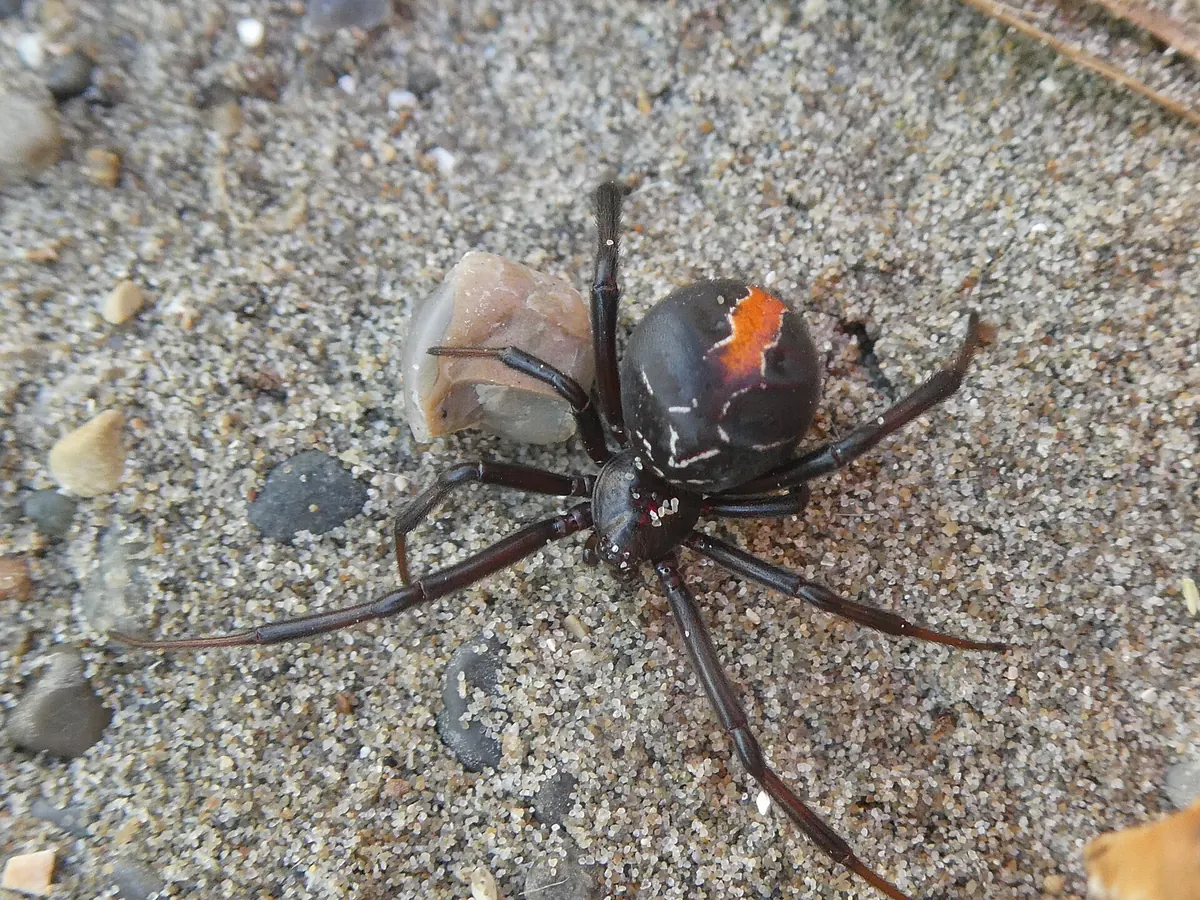
- Spiders: the katipō, a rare native that lives in sand dunes, and the redback, from Australia, found in a few places, have venomous bites, but they're very seldom met. See a doctor if you're bitten.
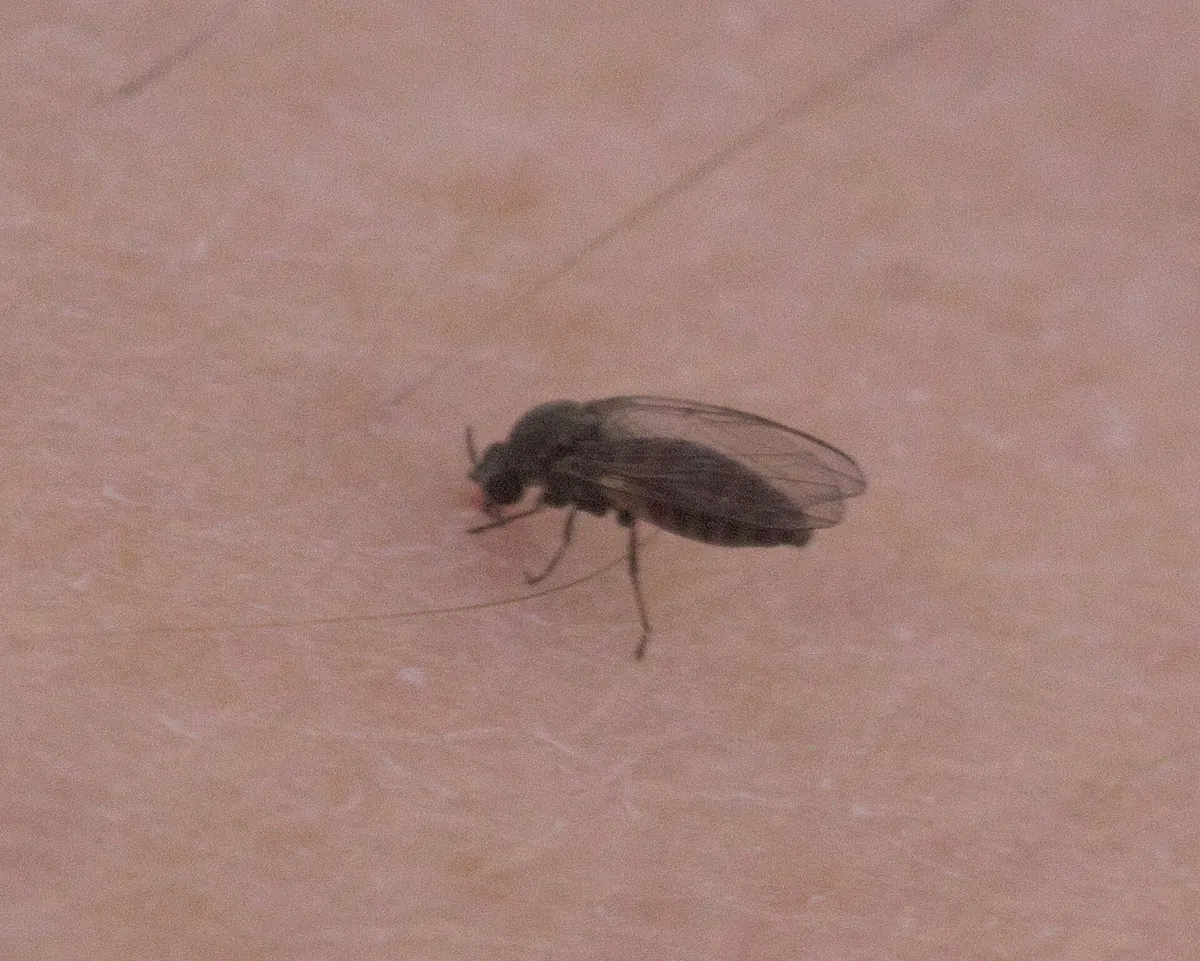
- Sandflies are the real pest. These tiny biting flies live near water, above all on the West Coast and in Fiordland, and are worst in the day in still, damp weather, and at dawn and dusk. They don't carry disease here, but the bites itch for days. Cover up, use repellent, keep moving, and keep the van doors shut.
- Wasps are common in the beech forests in late summer and autumn. Bring antihistamines if you react to stings.
- At sea, shark attacks are very rare. Stay out of the water if there are lots of jellyfish, and keep at least 20 m from seals and sea lions, which can bite and move fast.
Can you drink the water?
Tap water is safe almost everywhere. A few remote campsites and small settlements have a sign saying to boil it. In the hills, treat or boil water from streams and lakes, as it can carry giardia.
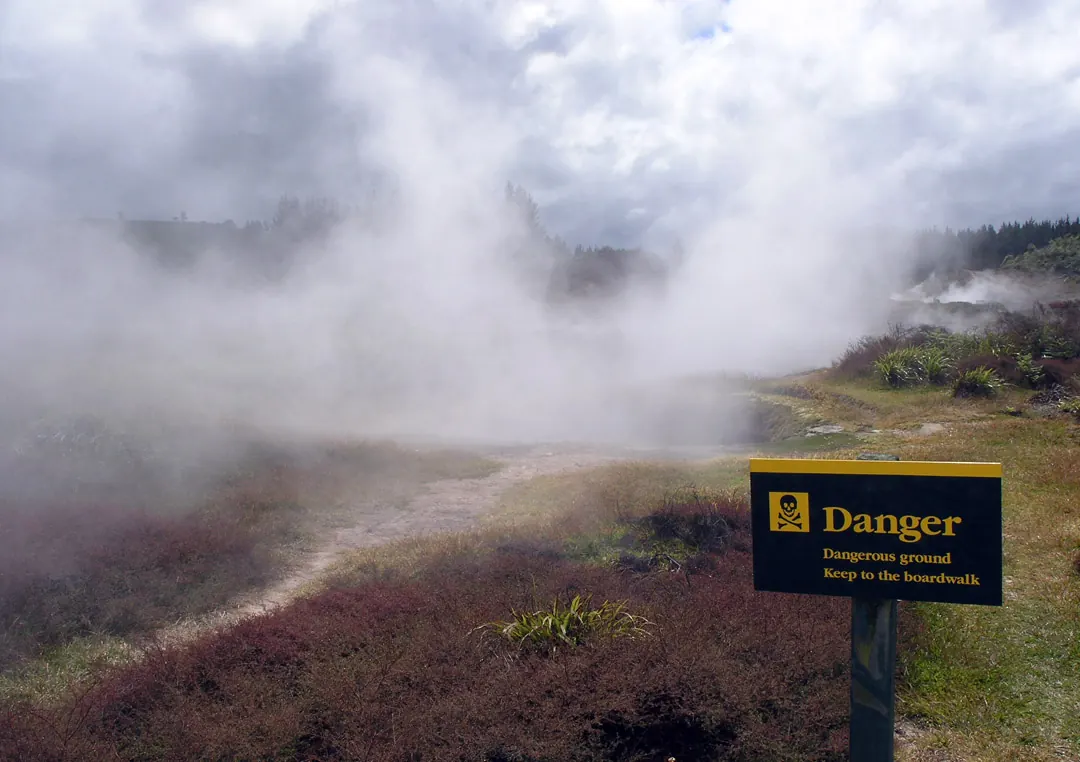
In natural hot pools, keep your head above water: water up your nose can carry a rare but deadly infection. In geothermal areas, stay on the paths, as the ground can be thin over boiling water. Don't gather shellfish where there's a warning sign.
Is it safe to swim?
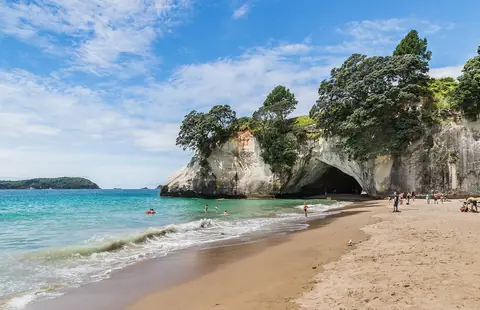
New Zealand's beaches are beautiful, but many have rips (strong currents flowing out to sea), especially on the west coast of both islands. Surf lifeguards patrol the popular beaches in summer.
- Swim between the red and yellow flags, where the lifeguards are. If there are no flags, ask locally, and stay out if you're unsure.
- If you're caught in a rip, remember the 3 Rs: relax and float, raise your hand for help, and ride it until help comes or it weakens, then swim along the shore before heading in. Don't fight it.
- Rivers and lakes are cold, and rivers rise fast after rain. Don't jump in without checking the depth.
- On the rocks, watch the sea for a while before you go near the edge, and never turn your back on it.
Driving at night and in winter
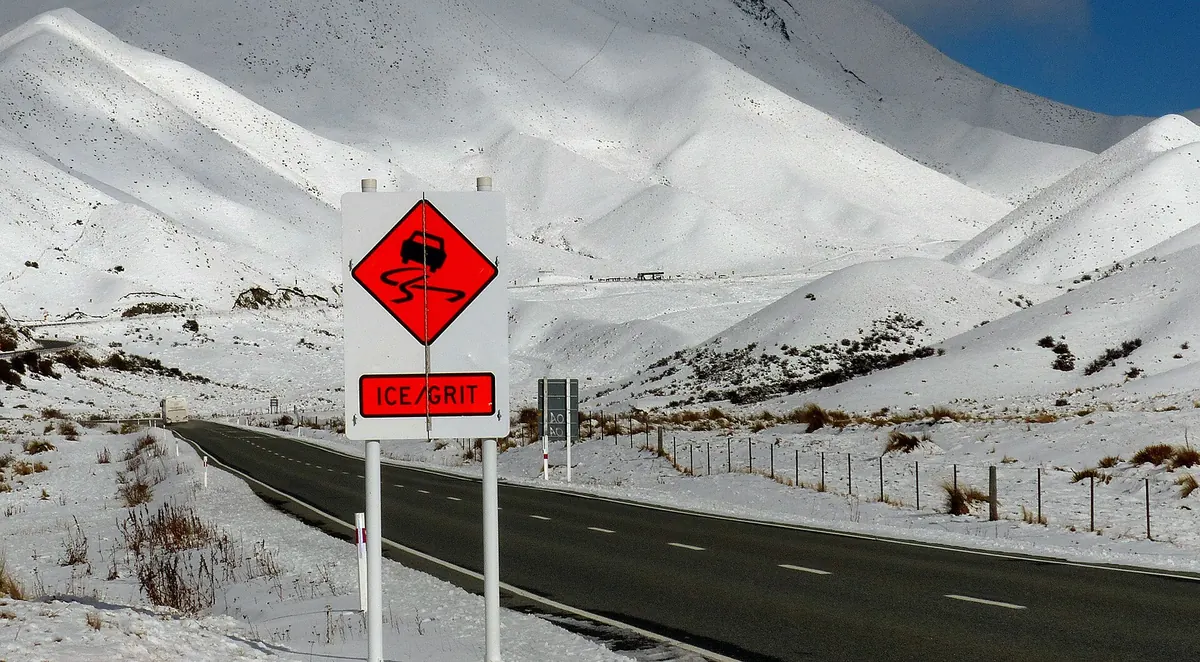
Country roads are unlit, narrow and often wet or frosty, with animals on them, so plan to arrive before dark: in midwinter that's about 5 pm. You don't always need snow chains, but signs on some mountain roads say when you must carry them. On the Milford Road, that's common from about May to November, and driving past the sign without them can cost you a NZ$750 fine. Ask your hire company, and see driving in New Zealand.
If you need help
- 111: police, fire and ambulance, free from any phone.
- 0800 611 116: Healthline, free health advice, day or night.
- 105: police, when it isn't urgent.
- Pharmacies and after-hours clinics deal with most small problems. Hospital emergency departments are for emergencies.
See also earthquakes, tsunami and volcanoes, health and insurance, weather and what to pack, planning a trip to New Zealand and driving in New Zealand.


Comments