
Two weeks in Peru: Lima, Paracas, Arequipa, Colca, Puno, Cusco and Machu Picchu
This is the classic route through southern Peru, done in the direction that's kindest to your body: from the coast up through Arequipa and Lake Titicaca to Cusco, so that you get used to the altitude a step at a time, and reach Machu Picchu at the end, feeling well. It uses buses in the daytime and one flight.
It works best from April to November. Buy Machu Picchu tickets and trains first, and fit the rest round them. Protests sometimes block roads between Arequipa, Puno and Cusco, so check the news: if they do, fly from Arequipa to Cusco instead. See Safety.
Days 1 and 2: Lima
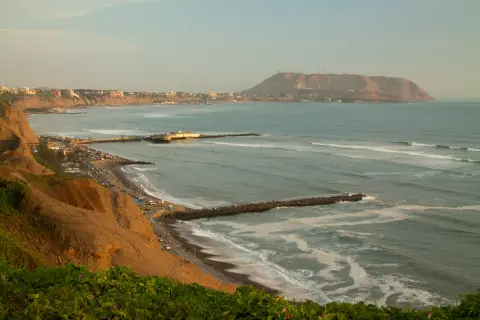
- Day 1: arrive, and stay in Miraflores or Barranco. Walk along the clifftop Malecón, and have a pisco sour.
- Day 2: the historic centre with its Plaza Mayor and the San Francisco monastery, then the Larco Museum, for the best collection of ancient Peruvian pottery and gold. Have ceviche for lunch.

Lima's food scene and historic centre
Lima is one of the great food cities of the world: eat ceviche at a cevichería, try Nikkei and Chifa cuisine, and visit the Surquillo market.
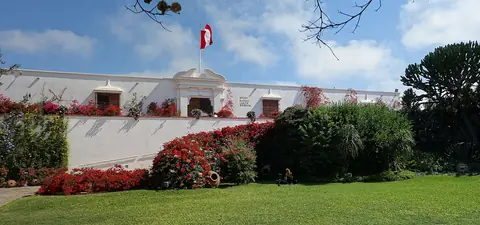
Larco Museum, Lima
A superb collection of pre-Columbian pottery, gold and textiles in an 18th-century mansion, with open storerooms and a garden café.
Day 3: To Paracas
Take a morning bus down the desert coast, about four hours. In the afternoon, tour the Paracas National Reserve by car or bike: red beaches, cliffs and desert running down to the sea.
Day 4: Ballestas Islands and Huacachina
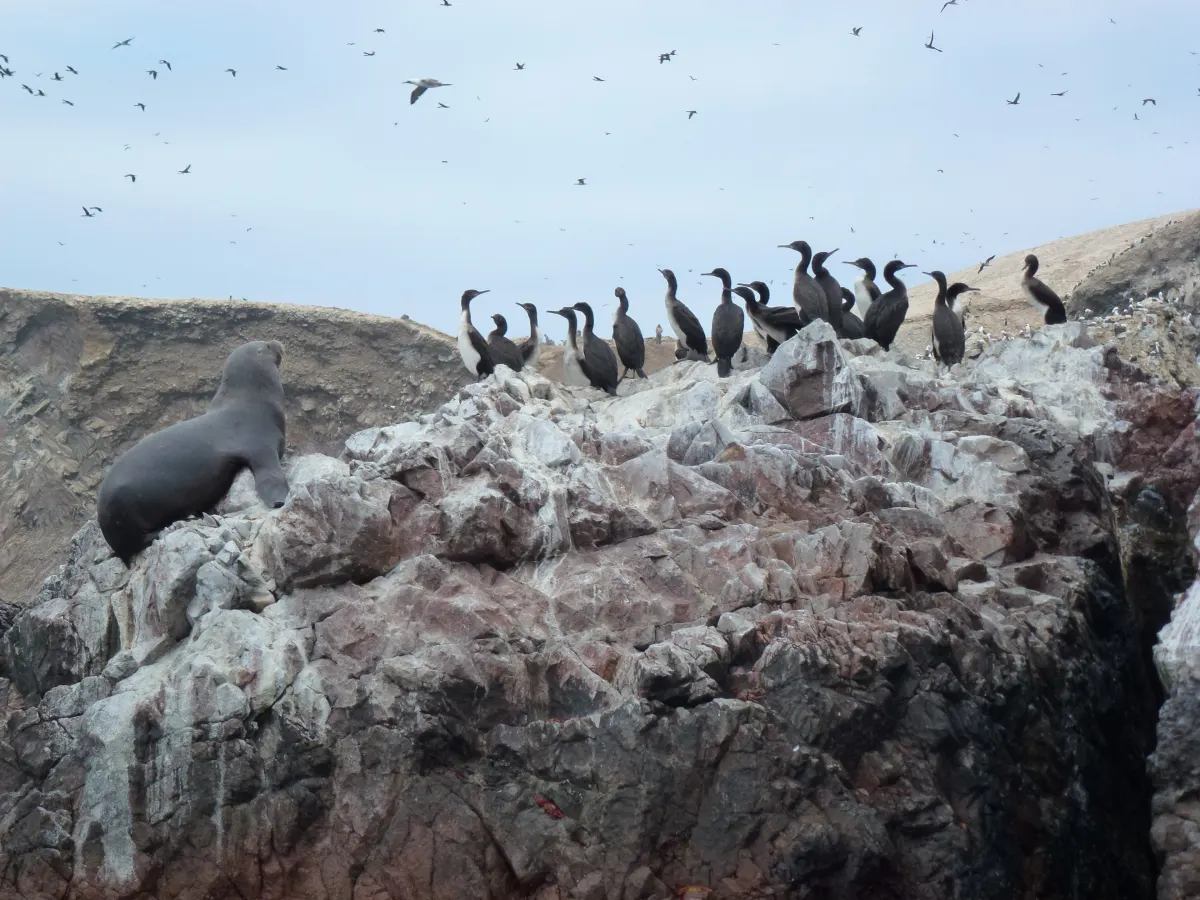
Go out by boat in the morning, when the sea is calmest, to the Ballestas Islands, for sea lions, Humboldt penguins and thousands of sea birds, passing the Candelabra drawn on the hillside. Then go on by bus to Ica, just over an hour, and to Huacachina, an oasis among huge dunes, for the sunset. Read about dune buggies in Safety before you book one.
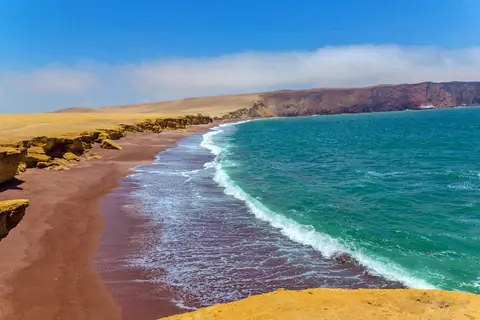
Paracas and the Ballestas Islands
Desert coast with red beaches. Boat to the Ballestas Islands for sea lions, Humboldt penguins and the Candelabra geoglyph.

Huacachina
A small oasis lagoon surrounded by huge sand dunes.
Day 5: Back to Lima, and fly to Arequipa
Take an early bus back to Lima, four to five hours, and an evening flight to Arequipa, about an hour and a half. Leave several hours between the two. Or go overland to see the Nazca Lines from a plane or the roadside tower, and on to Arequipa by daytime bus, nine to ten hours from Nazca, taking an extra day. Night buses on that road aren't a good idea.
Day 6: Arequipa
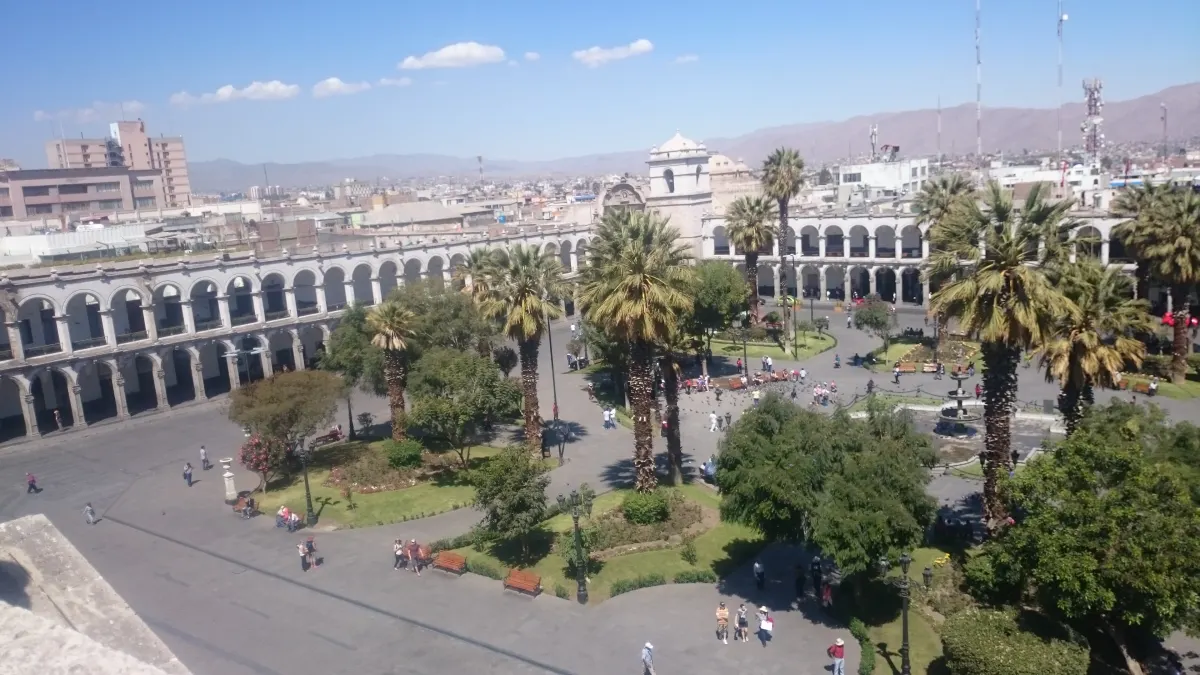
Arequipa, at 2,335 metres, is the perfect place to start getting used to the height. Walk round the Plaza de Armas, built of white volcanic stone, spend a couple of hours in the Santa Catalina convent, a small town within walls, and have lunch in a picantería.
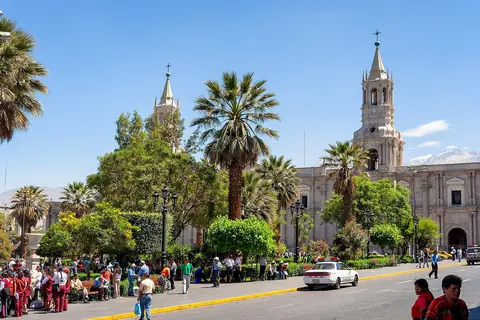
Arequipa
The 'White City' of volcanic stone below El Misti volcano.
Day 7: To the Colca valley
Drive up over the high plains, with vicuñas and flamingos, and over a pass at about 4,900 metres, then down to Chivay (3,630 m), three to four hours. Spend the afternoon resting in the hot springs. Take it slowly, and drink plenty of water.
Day 8: Condors, and on to Puno
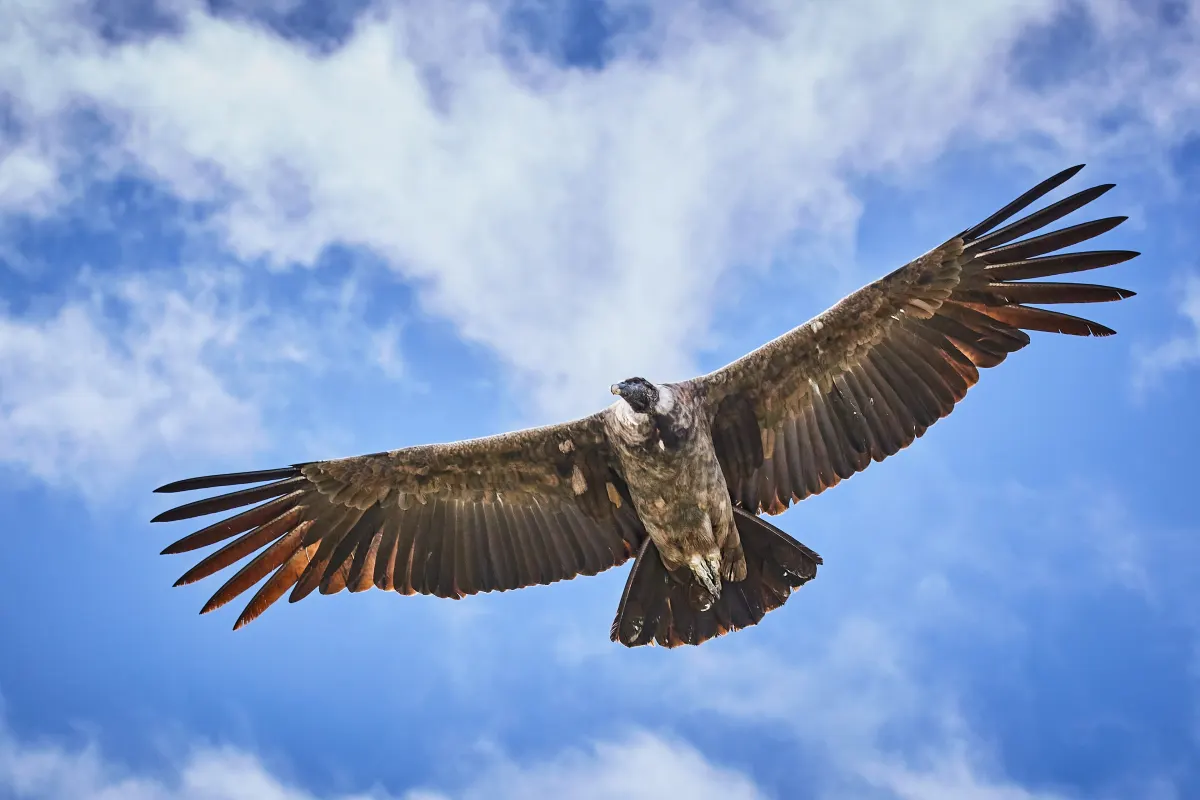
Leave early for the Cruz del Cóndor viewpoint over Colca Canyon, where condors ride up on the warm air, usually between about 8 and 10 a.m. Go back to Chivay, and take the early-afternoon tourist bus straight to Puno (3,830 m), about six hours. To break it up, spend a second night in Colca.

Colca Canyon
One of the deepest canyons in the world, with Andean condors soaring on the morning thermals at the Cruz del Cóndor viewpoint, and terraced villages.
Day 9: Lake Titicaca
Take a boat to the floating reed islands of the Uros, and on to Taquile island, known for its knitting men and weaving women, and its long flights of steps. Or stay the night with a family on Amantaní, and add a day.

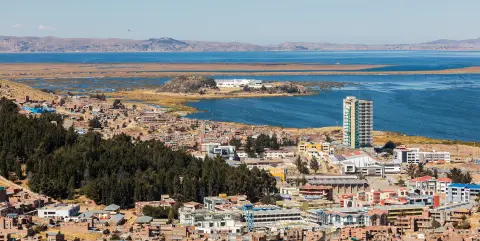
Lake Titicaca and the Uros Islands
The highest navigable lake in the world, at 3,812 m, shared with Bolivia.
Day 10: Puno to Cusco
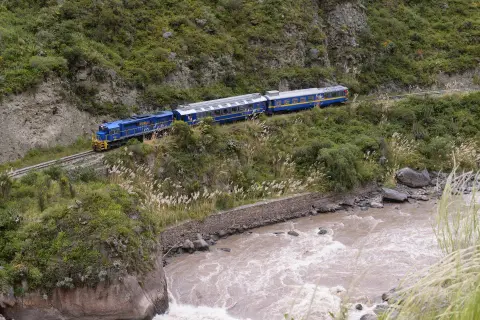
Take the daytime tourist bus, with stops at the temple of Raqchi, the pass of La Raya (about 4,300 m) and the painted church at Andahuaylillas, about ten hours with stops. On some days there's also the PeruRail Titicaca train. See Getting around.
Day 11: Cusco
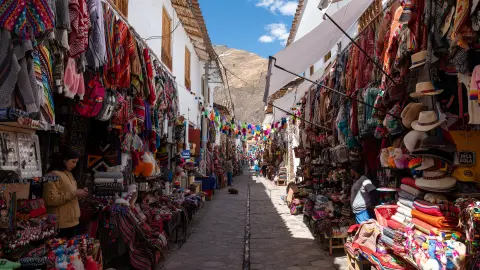
Cusco: the Plaza de Armas, the cathedral, the Inca walls of Qorikancha, the steep lanes of San Blas, and San Pedro market. In the afternoon go up to Sacsayhuamán, the huge Inca walls above the city. Get the Boleto Turístico: see Money.

Cusco
The old Inca capital, at 3,400 m, with Spanish churches built on Inca walls, a UNESCO site.
Day 12: The Sacred Valley, and to Aguas Calientes
Hire a car with a driver through the Sacred Valley: the ruins above Pisac in the morning, then the fortress of Ollantaytambo. Leave your big bags in your hotel, and take an evening train to Aguas Calientes, about an hour and three quarters.

Sacred Valley of the Incas
The fertile Urubamba valley between Cusco and Machu Picchu, with Inca terraces and towns: the fortress of Ollantaytambo, the Pisac market and ruins, …
Day 13: Machu Picchu
Take an early bus up to Machu Picchu for your entry time. Circuit 2 is the best choice for one visit. Come back down for lunch, and take an afternoon train and bus back to Cusco, about four hours.

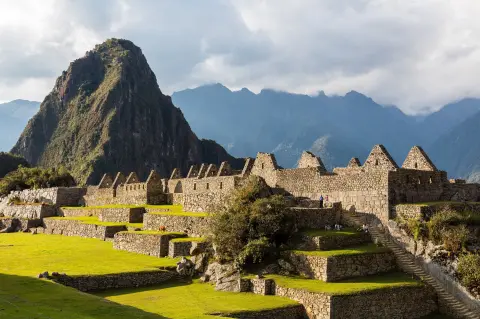
Machu Picchu
The 15th-century Inca citadel on a mountain ridge above the Urubamba valley, one of the New Seven Wonders of the World.
Day 14: Fly home
Fly from Cusco to Lima. Leave plenty of time, or better a whole evening, before your flight home.
With more time
- Add four days in the rainforest, a short flight from Cusco: see Puerto Maldonado.
- Add days in Cusco for Rainbow Mountain, Moray and Maras: see 7 days in Cusco and the Sacred Valley.
- Walk to Machu Picchu: see Treks.
- Cross from Puno to Copacabana and La Paz in Bolivia, if the border's open.
Map of the route
Lima to Paracas, about 243 km
Paracas to Huacachina, about 74 km
Huacachina back to Lima, about 294 km
Flight from Lima to Arequipa, about 766 km
Arequipa to Chivay, about 151 km
Chivay to the Cruz del Cóndor and back, about 93 km
Chivay to Puno, about 273 km
Boat to the Uros and Taquile, and back, about 74 km
Puno to Cusco, about 390 km
Cusco through the Sacred Valley to Ollantaytambo, about 89 km
Train from Ollantaytambo to Aguas Calientes, and back, about 44 km
Ollantaytambo back to Cusco, about 78 km
Or: overland by Nazca to Arequipa, about 710 km
Click a dot for the place. Labels show where you stay. Dashed lines are the flight from Lima to Arequipa, the boat on Lake Titicaca and the overland alternative by Nazca. Route from OpenStreetMap (© OpenStreetMap contributors, ODbL).
Comments
No comments yet.