
Altitude in Peru: Cusco, Puno, Colca and Rainbow Mountain, how to acclimatise and the warning signs
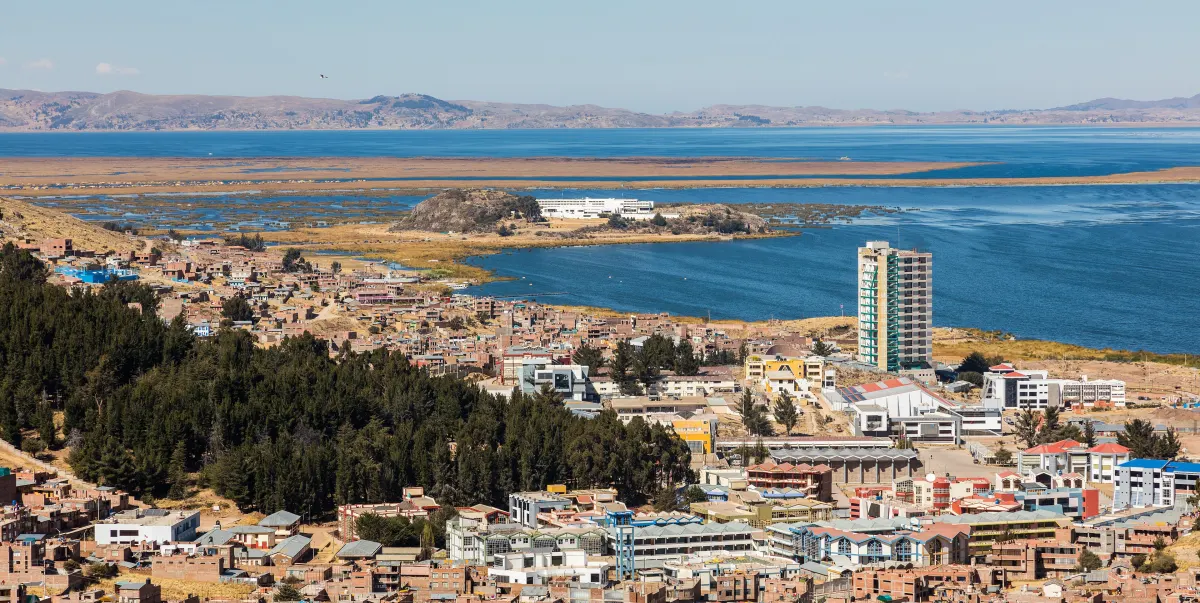
Cusco is at about 3,400 metres, and flying there from sea level takes about an hour. Many visitors feel it: headaches, poor sleep and breathlessness are common for a day or two. Serious altitude sickness is much rarer, but it can kill, and being fit doesn't protect you.
How high you'll be
- Lima, Paracas and Nazca: near sea level, up to about 520 m
- Puerto Maldonado and the Amazon: about 200 m
- Arequipa: about 2,335 m
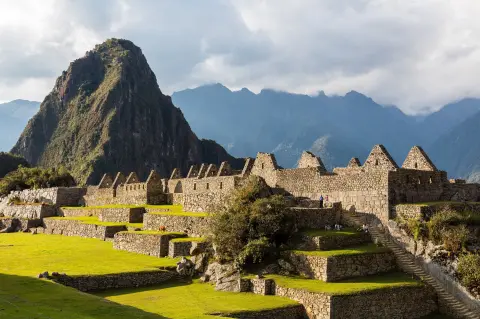
- Aguas Calientes: about 2,040 m; Machu Picchu: about 2,430 m
- The Sacred Valley: Ollantaytambo about 2,790 m, Urubamba about 2,870 m, Pisac about 2,970 m
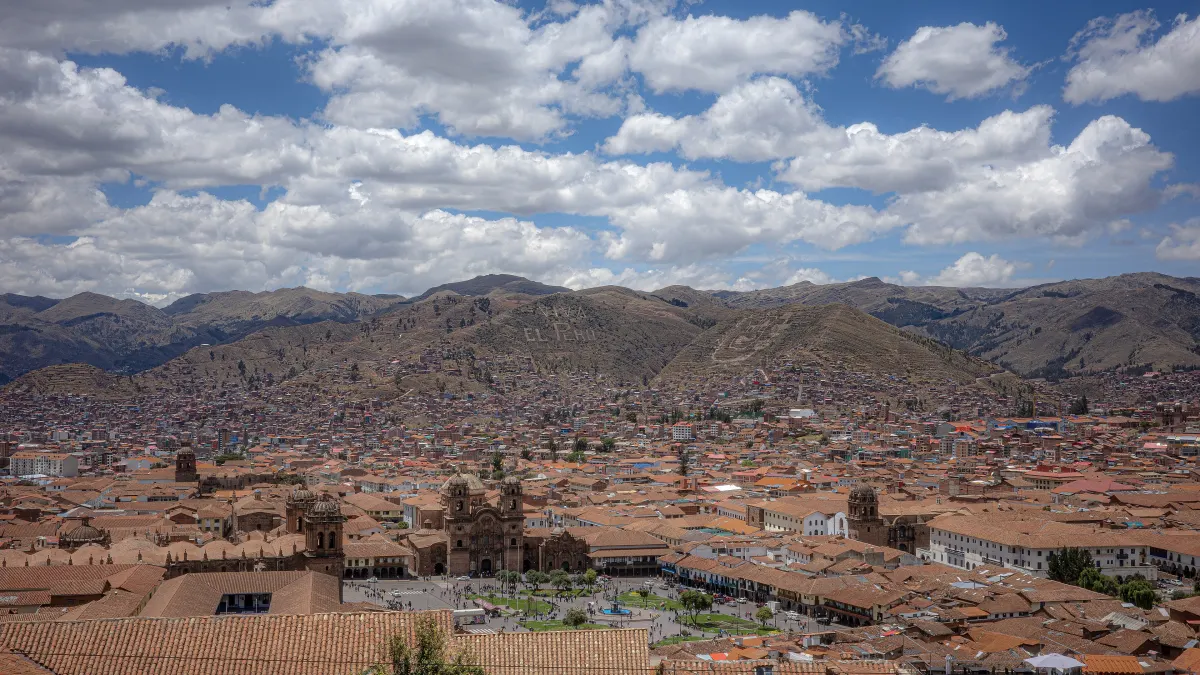
- Cusco: about 3,400 m
- Chivay, in the Colca valley: about 3,630 m; the pass on the road there from Arequipa: about 4,900 m
- Puno and Lake Titicaca: about 3,830 m
- The highest pass on the Inca Trail: about 4,215 m; Laguna 69: about 4,600 m
- Rainbow Mountain: about 5,000 m
Go up slowly
- The UK's travel health service, TravelHealthPro, advises spending a few days below 3,000 m first, and avoiding going from below 1,200 m to above 3,500 m in one day. Above 3,000 m, don't sleep more than 500 m higher each night, and take a rest day every three or four days.
- Flying to Cusco? Go straight down to the Sacred Valley to sleep for the first two or three nights, and see Machu Picchu from there. Come back to Cusco at the end. See 7 days in Cusco and the Sacred Valley.
- Going overland, go through Arequipa. Two nights in Arequipa, then Colca, Puno and Cusco climbs in steps: see Two weeks in Peru.
- Leave Rainbow Mountain, high treks and Puno until you've had at least two or three days at Cusco's height, with no symptoms.
- On your first day, do very little: short walks, water, light meals and no alcohol.
- Flying to Juliaca (for Puno) from Lima takes you from sea level to over 3,800 m, so avoid it at the start of a trip.
Warning signs
- Acute mountain sickness feels like a hangover: headache, tiredness, no appetite, feeling sick, sleeping badly. Don't go any higher until it's gone. Rest, drink, and take something for the headache.
- If it doesn't get better, or gets worse, go down. A drop of 500 m or more helps. From Cusco, the Sacred Valley is 600 m lower, and Aguas Calientes lower still.
- Emergency signs: confusion, stumbling or acting drunk (swelling of the brain), or breathlessness at rest, a wet cough and great weakness (fluid on the lungs). Go down at once, at night if you have to, and get medical help. In Cusco, ask your hotel to call a doctor: many clinics treat altitude sickness every day.
- Hotels in Cusco and Puno often have oxygen. It helps for a while, but doesn't replace going down or a doctor.
Medicines
- Acetazolamide (Diamox) helps your body adjust. Ask a doctor at home at least a few weeks before, especially if you take other medicines, are pregnant, or have allergies. It doesn't replace going up slowly.
- Talk to a doctor too if you have heart, lung or blood problems, or have had altitude sickness before.
- Don't take sleeping pills or drink alcohol in the first days.
- Coca tea (mate de coca) is offered everywhere. It's traditional and mildly stimulating, but there's no good evidence that it prevents altitude sickness, and it can show up in a drug test. Don't take it home: see Culture and coca leaves.
Rainbow Mountain
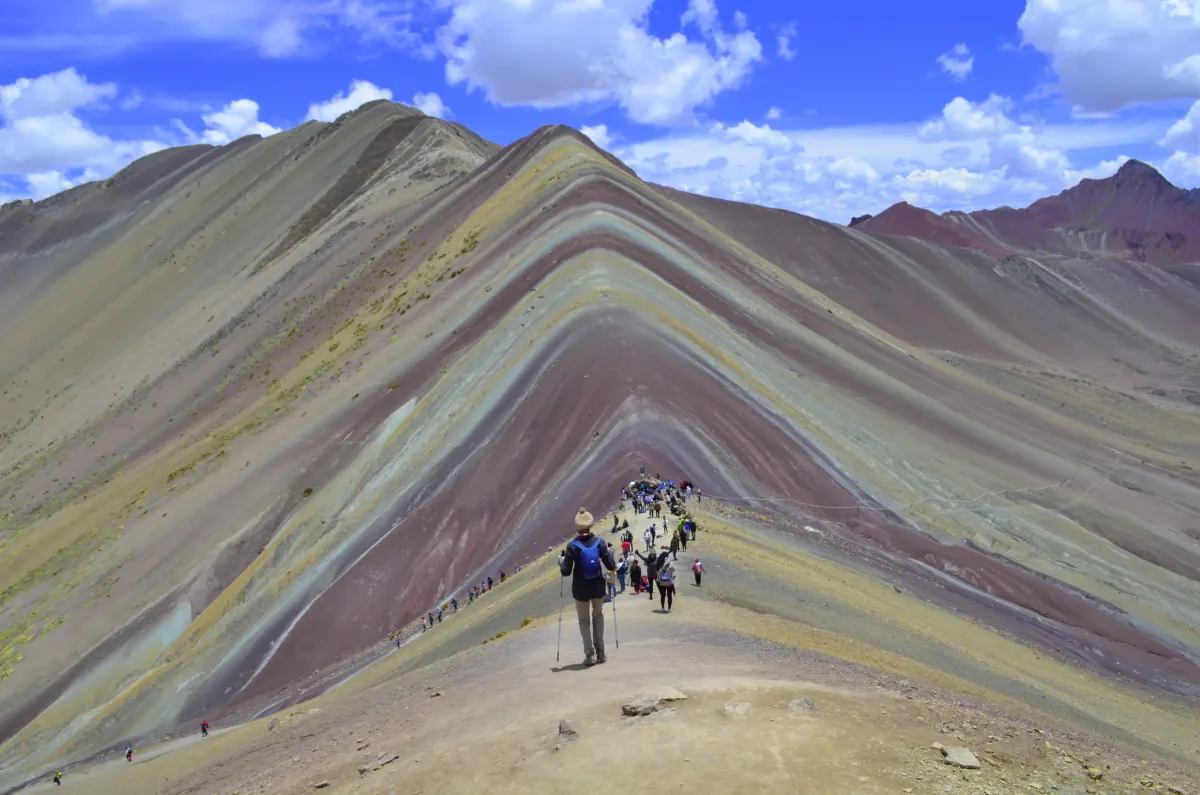
- It's one of the highest walks most visitors will ever do: about 5,000 m at the viewpoint, usually after a 3 or 4 a.m. start from Cusco. The walk is short, but steep and thin of air. Horses can be hired part of the way.
- Leave it until near the end of your time in Cusco.
- Check it's open. Communities on the two ways in, by Cusipata and by Pitumarca, have argued for years over who runs it, and the Canadian government warns that violent disputes regularly cut access. Ask your operator which side they use, whether entry is charged and who collects it.
- Bring warm and waterproof clothes, sunscreen, water and cash. In the rainy season it can be under cloud or snow.

Walks and treks
Rainbow Mountain (Vinicunca)
Qquea, Cusco
A mountain striped in red, gold and turquoise by minerals, at 5,036 m.
If it isn't for you
You can have a wonderful trip without going very high. Lima, Paracas, Arequipa, the Amazon and the north coast are all lower, and you can visit Machu Picchu by sleeping in Ollantaytambo and Aguas Calientes.
Comments
No comments yet.