
Culture and etiquette in Peru: greetings, photos of people, markets, ruins and coca leaves
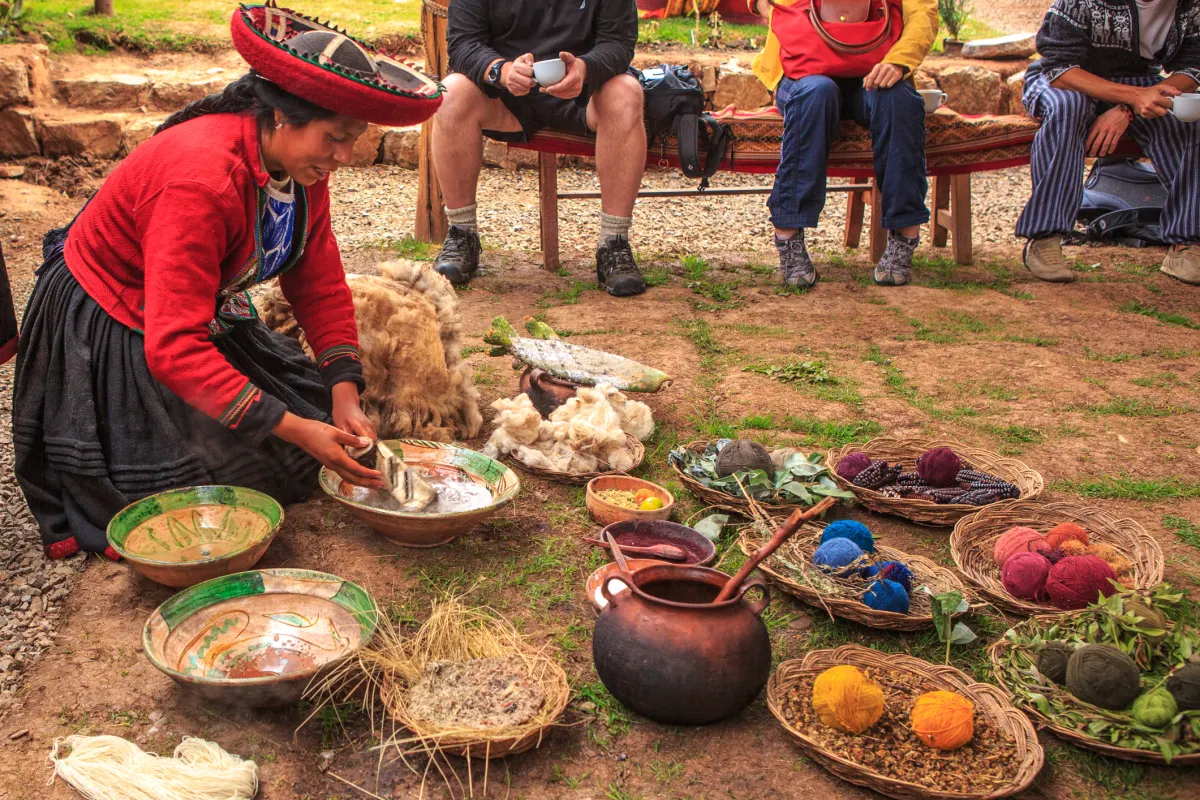
Peruvians are polite, rather formal at first, and proud of their country. A few words of Spanish, some patience and good manners go a long way, and in the Andes a greeting in Quechua makes people smile.
Greetings and manners
- Say buenos días, buenas tardes or buenas noches when you go into a shop, bus or restaurant, before asking for anything.
- Shake hands when you meet. Friends, and women with men, often kiss once on the cheek, more on the coast than in the mountains.
- Use señor, señora and the polite usted with older people.
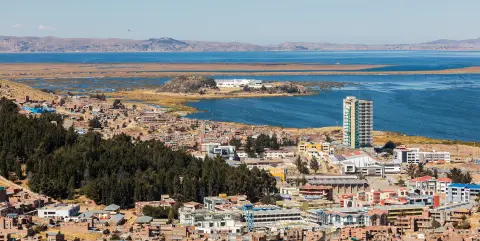
- In Quechua, allillanchu is "how are you?" and sulpayki is "thank you", around Cusco. On Lake Titicaca's southern shores many people speak Aymara.
- Time is flexible for social things, but not for trains, flights and Machu Picchu.
- Don't call people "indios": it's an insult. Say indígena, campesino or the name of the community.
Photos of people
- Always ask first: ¿Puedo tomarle una foto? Take no for an answer.
- In Cusco and the Sacred Valley, women in traditional dress with lambs or alpacas pose for money. Agree the amount (a few soles) before you take the picture. You're paying for someone's work, so don't sneak one.
- Don't photograph children without their parents' agreement, and don't give them money or sweets for pictures: it keeps them out of school.
- No photos inside many churches, including Cusco's cathedral, or in some museums.
- Never photograph soldiers, police posts or military sites. It's illegal.
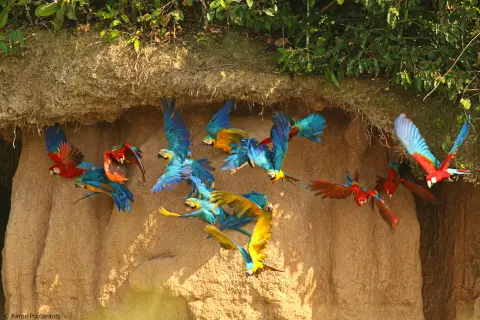
- Don't pay to hold wild animals, such as sloths, in the jungle or around Iquitos. They're taken from the wild.
Villages and homestays
- On Taquile and Amantaní islands in Lake Titicaca, and in many valleys, families take in guests. Go with a community project, so the money stays there.
- Bring useful gifts such as fruit, rice, cooking oil or school things for the family, rather than sweets.
- Ask before going into fields or houses, and dress warmly and modestly.
Ruins and churches
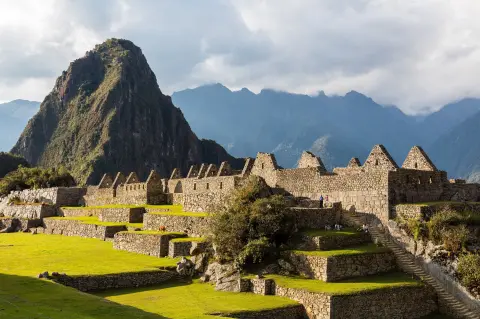
- Stay on the paths, don't climb or lean on walls, and don't move stones. Visitors have been arrested and deported for damage and for undressing at Machu Picchu.
- Take your hat off and cover your shoulders in church, and don't visit during Mass.
- For Andean people, mountains (apus) and the earth (Pachamama) are alive. You'll see people pour a little drink on the ground, or leave coca leaves by the path: let them be.
Coca leaves
- Chewing coca leaves and drinking coca tea (mate de coca) is legal and normal in Peru. It's been part of Andean life for thousands of years, used for work, medicine and offerings, and it isn't cocaine.
- If you're offered leaves, take them with both hands, and say thank you.
- Don't take coca out of the country in any form: leaves, tea bags or sweets. Peru bans exporting coca products, and it's illegal to bring them into the UK, the USA and many other countries. You can be arrested for a packet of tea bags.
- Coca can give a positive drug test for days. If your job tests you, don't have any.
- Cocaine and other drugs are another matter: see Safety.
Buying crafts
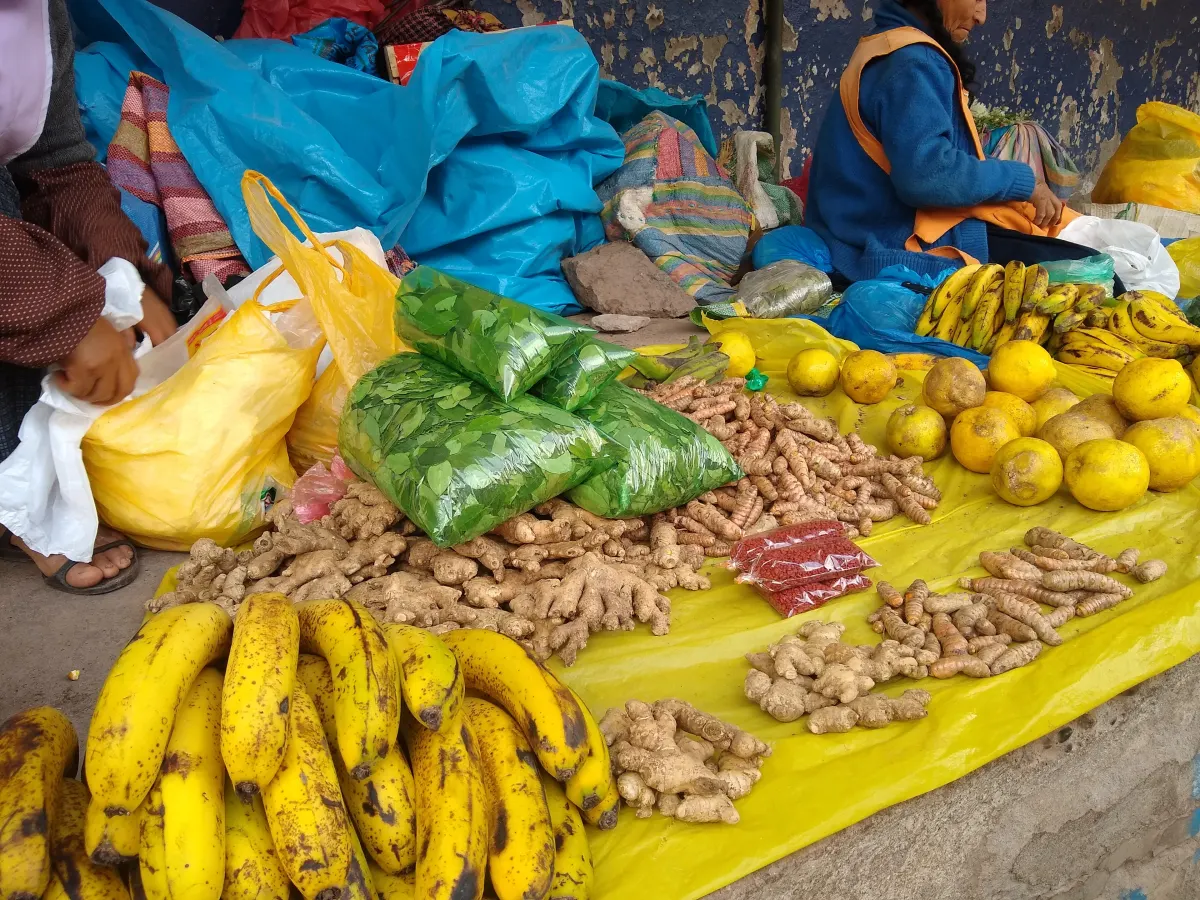
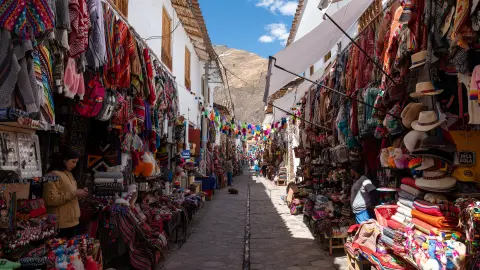
- Good weaving takes weeks, so a fair price is higher than in a souvenir shop. In Chinchero and at weavers' cooperatives, you can see how it's made. "Baby alpaca" sold very cheaply is usually acrylic.
- Don't buy anything made from wild animals: condor feathers, turtle shell, skins, teeth, butterflies or spiders. It's illegal.
- Never buy "old" pots or textiles: exporting archaeological pieces is a crime. For copies, keep the receipt.
Festivals
- Candelaria in Puno (first half of February), Holy Week in Cusco, Arequipa and Ayacucho, Corpus Christi in Cusco (May or June), Inti Raymi in Cusco (24 June), Independence (28 and 29 July), and the Lord of Miracles processions in Lima, in purple (October).
- Book early for those, and watch your pockets. At religious events such as the Qoyllur Rit'i pilgrimage, you're a guest.
Comments
No comments yet.