
Getting around Peru: flights, long-distance buses, trains to Machu Picchu, taxis and apps
Peru is bigger than it looks on the map, and the Andes make every road longer. Fly the long legs, take good daytime buses for the rest, and never plan to arrive on the same day as something you can't miss.
Flights
- Domestic airlines fly from Lima to Cusco (about an hour and a quarter), Arequipa, Juliaca (for Puno), Puerto Maldonado, Iquitos, Trujillo and other cities. Most routes go through Lima, though there are some direct flights between Cusco, Arequipa and Puerto Maldonado.
- Fly to Cusco in the morning if you can. Afternoon flights are more often delayed or cancelled by the weather, especially in the rainy season.
- Some airlines charge foreigners more or don't let them use fares meant for residents. Check before you buy.
- Carry your passport on domestic flights, including flights over the Nazca Lines.
Long-distance buses
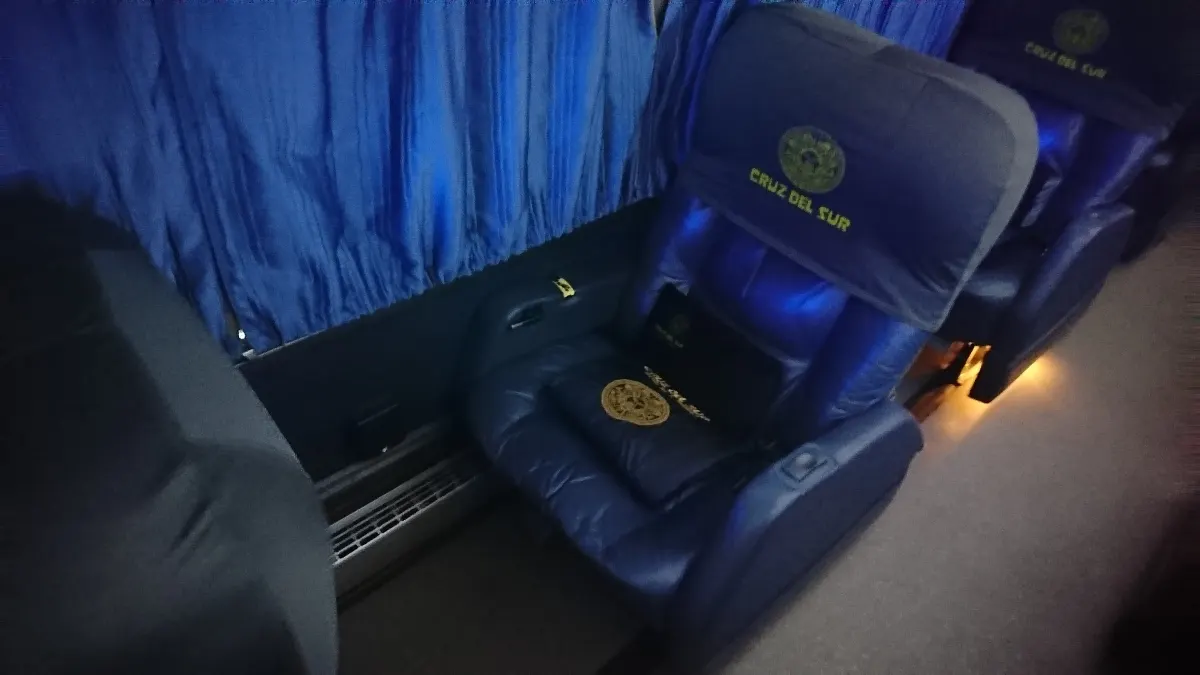
- Good companies run comfortable coaches with seats that recline almost flat. You buy a numbered seat and show your passport.
- Choose the company, not the price. Bus crashes are common, and Peru publishes a list of the companies involved in the most serious ones. The UK and Canadian governments advise using only reputable companies and avoiding night buses where you can, especially in the mountains. Buses have also been held up by robbers at night.
- Keep your passport, money and phone on you, not in the rack or under the seat.
- In Lima, most companies leave from their own terminals, not one big station. Take an official or app taxi there and back.
- Rough times in a car or direct bus: Lima to Paracas four hours, Paracas to Ica just over an hour, Ica to Nazca two to three hours, Nazca to Arequipa nine to ten hours, Arequipa to Puno six hours, Puno to Cusco six to seven hours.
- Between Puno and Cusco, tourist buses run in daylight with stops at places such as the temple at Raqchi and the church at Andahuaylillas. There are also tourist buses from Chivay, in the Colca valley, to Puno, which save going back to Arequipa.
Trains to Machu Picchu
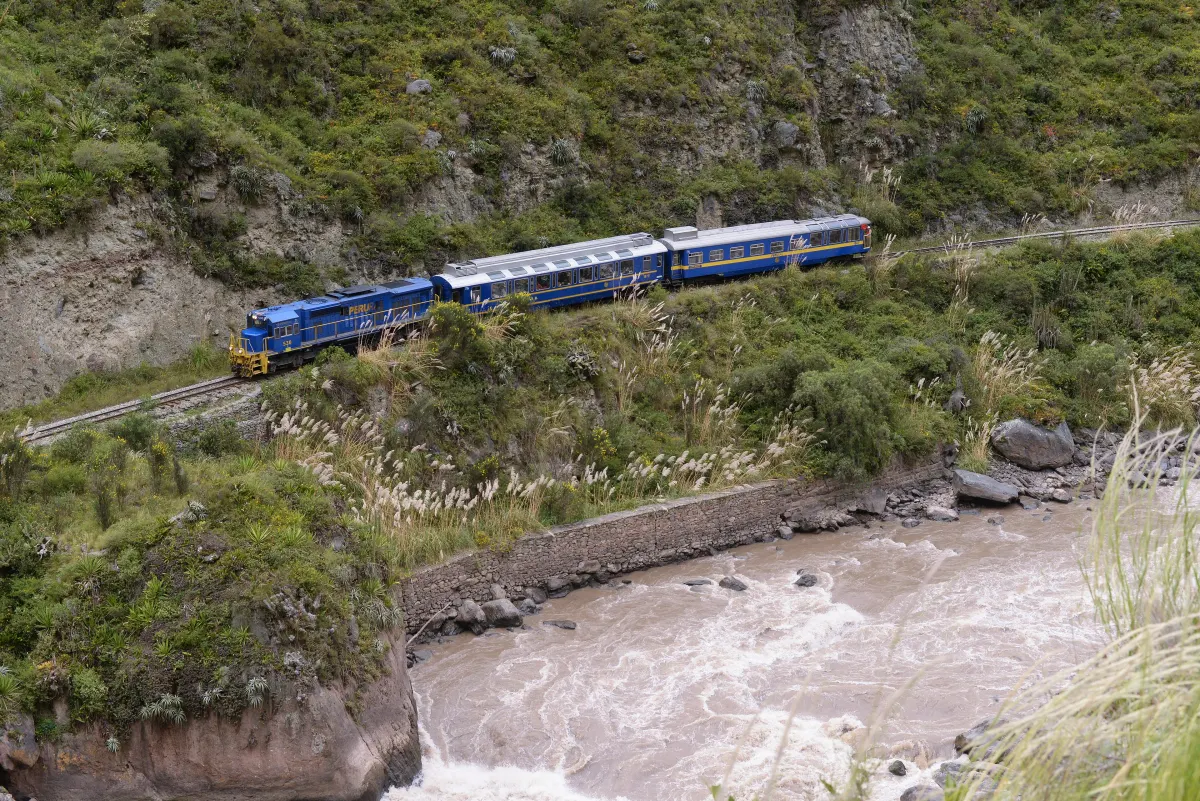
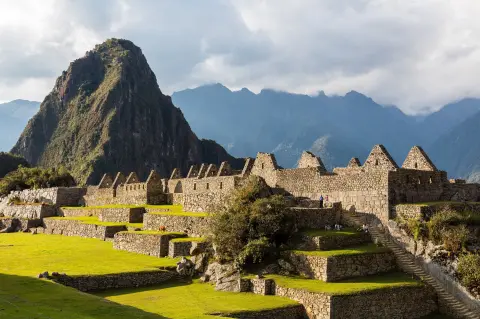
- There's no road to Aguas Calientes (also called Machu Picchu Pueblo), the town below Machu Picchu. Nearly everyone goes by train, with PeruRail or Inca Rail.
- The most trains, and the cheapest, go from Ollantaytambo in the Sacred Valley, about an hour and three quarters. From Cusco, many tickets are bus and train ("bimodal"): check which station you start and finish at, because it changes with the season. Up to 31 December 2026 some trains also stop at Pachar.
- Book trains and Machu Picchu tickets at about the same time, and bring the passport you booked with.
- Luggage is limited. PeruRail allows one backpack of up to 8 kg (100 cm, height, length and width added up) or one carry-on of up to 12 kg (115 cm). Leave big bags at your hotel in Cusco or Ollantaytambo, or in the train company's store.
- Sit on the left going to Machu Picchu for most of the river views.
- Trains can be stopped by landslides, accidents and protests. In October 2026 two trains collided near Ollantaytambo, and in November a rockfall stopped trains on the stretch to Hidroeléctrica for a day or two. Check your train company's notices the day before, and spend the night in Aguas Calientes rather than cutting it fine.
- The cheap way is by road to Hidroeléctrica, about six hours from Cusco, and then two to three hours on foot beside the railway. The road is poor, and landslides often close it in the rainy season.
Other trains
PeruRail's Titicaca train runs between Puno and Cusco on some days, taking most of the day, with an open-air observation car. It's a scenic treat rather than a cheap way to travel. The luxury sleeper train between Cusco, Puno and Arequipa is dearer still. Protests sometimes stop them.
Taxis and apps
- Don't hail taxis on the street, especially in Lima, Arequipa and Cusco and especially at night. The UK government warns of robberies and "express kidnappings" by people posing as taxi drivers.
- Ask your hotel or restaurant to call one, or use an app. Uber, Cabify, DiDi, inDrive and Yango work in Lima. Fewer work in Cusco and Arequipa: see Phones and apps. Check the number plate and the driver before you get in.
- At airports and bus terminals, use the official desk.
- Taxis aren't metered. If you're not using an app, agree the fare first, have the exact money, and pay at the end.
- Keep the doors locked and windows up in traffic, and your phone out of sight.
- In Lima, the Metropolitano bus runs in its own lane between Barranco, Miraflores and the centre, and is quicker than a taxi at rush hour. It gets very full, so watch your pockets.
Getting around the Sacred Valley
Shared minivans (colectivos) run between Cusco, Pisac, Urubamba and Ollantaytambo through the day, and leave when full. Or hire a taxi for the day through your hotel, and see several ruins on the way: see 7 days in Cusco and the Sacred Valley.
Driving yourself
We wouldn't. Driving standards are poor, crashes are frequent, cars are targets for robbery, and protests block roads without warning. If you do, don't drive after dark outside cities, and never try to pass a blockade.
When roads are blocked
- Strikes and protests often block roads, and sometimes railways and airports, particularly around Cusco, Puno, Arequipa and Madre de Dios. They can last hours or weeks.
- Check the road authority SUTRAN's map of closed roads, local news, and iPerú, the official tourist information service, which has offices in the main cities and airports.
- Keep some cash, water, food and medicine with you on long journeys, and leave a spare day before your flight home. See Safety.


Comments
No comments yet.