
Phones and apps for Peru: SIM cards, eSIMs, coverage in the mountains and useful apps
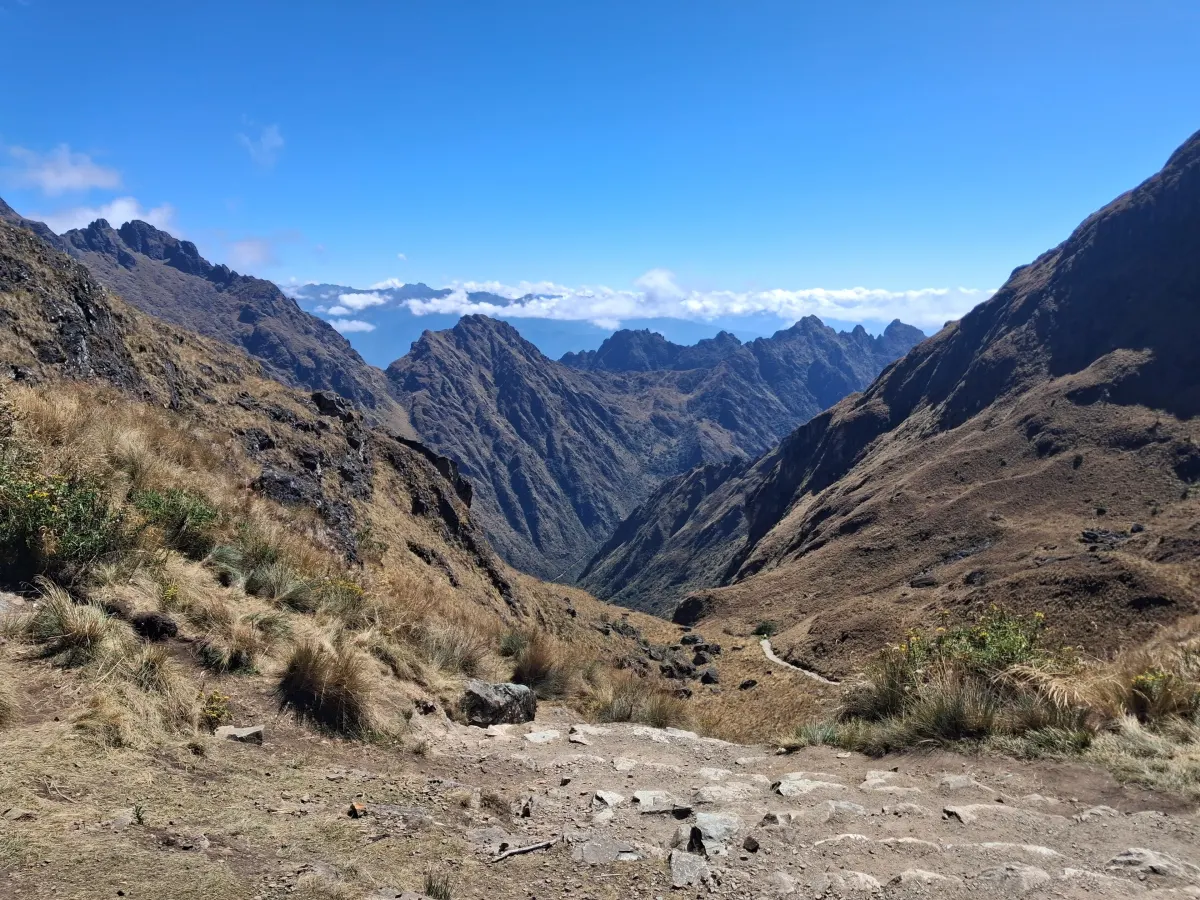
Mobile coverage is good in cities and along main roads, and patchy or absent in the high mountains, on treks and in the jungle. Peru runs on WhatsApp: hotels, guides, drivers and restaurants all use it, so set it up before you go.
eSIM or local SIM?
- The easiest choice is a travel eSIM bought before you leave home, if your phone is unlocked and takes them. It works as you land, so you can call a taxi app without using the airport Wi-Fi. Check whether it gives you a Peruvian number: most don't, but you rarely need one.
- The networks are Claro, Movistar, Entel and Bitel. Claro and Movistar are usually said to have the widest coverage in the countryside, and Entel and Bitel are good in cities.
- To buy a local SIM, go to an official shop with your original passport: it has to be registered in your name, and rules about fingerprints and which shops can sell to foreigners have got stricter. There are counters at Lima airport, but they're dearer than in town. Ask them to set it up and test it before you leave.
- Avoid SIMs sold already activated in the street. They're registered to someone else.
Where there's no signal
- The Inca Trail, Salkantay and Choquequirao have little or none. Tell someone your route: see Treks.
- Jungle lodges may have Wi-Fi for a few hours a day, or none. Puerto Maldonado itself is covered.
- Aguas Calientes has signal and Wi-Fi, but Machu Picchu's coverage is weak. Save your tickets to your phone, and print them too.
- Long stretches of the Nazca to Arequipa, Arequipa to Chivay, and Puno to Cusco roads have gaps.
Useful apps
- WhatsApp. The official tourist help service, iPerú, answers messages on +51 944 492 314, and calls on +51 1 574 8000.
- Taxis: Uber, Cabify, DiDi, inDrive and Yango in Lima. In Cusco and Arequipa there are fewer, and which work best changes, so look when you arrive and ask your hotel. Check the plate and driver, and share your journey. See Getting around.
- Maps: download offline maps of Lima, Cusco and the Sacred Valley. For trails, use an offline map app with OpenStreetMap.
- Translation: download Spanish for offline use. In many Andean villages people speak Quechua or Aymara first.
- Trains and tickets: PeruRail, Inca Rail and tuboleto.cultura.pe. See Machu Picchu tickets.
- Yape and Plin, the payment apps everyone uses, need a Peruvian account or ID. See Money.
Keep your phone safe
- Phone snatching is very common, above all in Lima, by thieves on foot and on motorbikes. Don't use it near the kerb, at bus stops or by an open car window. See Safety.
- Use a strong passcode, hide message previews, turn on "find my phone", and back up your photos.
- Thieves have phoned the numbers in stolen phones and pretended to have kidnapped the owner. Warn your family, and tell them at once if your phone is stolen.
- Write down your bank's and insurer's numbers on paper.
Electricity and calls
- Peru uses 220 volts, 60 Hz, with two flat pins (type A) or round pins (type C) in most places. Many 110-volt hairdryers from North America won't work.
- The country code is +51. Mobile numbers have nine digits and start with 9.



Comments
No comments yet.