
Safety in Peru: the state of emergency in Lima and Callao, robbery, taxis, protests and where not to go
Most visits to Peru go well, but crime has got worse, and it's the main risk. Most of it can be avoided with care about taxis, phones, cash machines and night-time. Check your government's advice just before you go: this was checked on 24 November 2026.
The state of emergency in Lima and Callao
- A state of emergency because of violent crime covers Lima and Callao (where the airport is). It's been extended several times, most recently on 25 October 2026, for 60 days from 28 October, so to 26 December 2026. Expect it to be renewed.
- The army helps the police, and some rights are limited: security forces can stop, search and detain people and restrict movement and gatherings.
- For visitors, daily life, flights and sights carry on. Carry ID, do what police and soldiers say, and stay away from crowds and protests.
- Other provinces are also under states of emergency at times, some because of crime and some because of floods or earthquakes. The official newspaper El Peruano publishes them.
What governments advise
- The UK advises against all but essential travel to the VRAEM (the valleys of the Apurímac, Ene and Mantaro rivers), where drug traffickers and the remains of the Shining Path are active, and to within 20 km south of the Colombian border, with exceptions for the Amazon River and the area around the triple border.
- Canada says to avoid all travel to the VRAEM, and non-essential travel to the Upper Huallaga valley and within 20 km of the borders with Colombia and, except at Tumbes, Ecuador. It advises a high degree of caution everywhere because of crime and protests.
- Going against this advice can cancel your insurance. The classic route (Lima, Paracas, Arequipa, Colca, Puno, Cusco, Machu Picchu, Puerto Maldonado) isn't in these areas.
Street crime
- Pickpocketing, bag-snatching and robbery are common in Lima, and happen in Cusco, Arequipa and Puno, in tourist areas too. There have been armed robberies of visitors in Miraflores and Barranco.
- Don't use your phone at the roadside or by an open car window: thieves on motorbikes snatch them. Step into a shop to check a map.
- Wear no jewellery or expensive watch, carry only what you need for the day, and keep a copy of your passport apart from the original.
- Don't walk alone in quiet places or at night, including the steps and lanes above Cusco's centre and the hill paths to Sacsayhuamán after dark.
- If you're robbed, hand it over. Robbers may be armed.
- Tricks include a spill or spray on your clothes and a "helper" who cleans it, fake police who want to see your money, and drugged food, drinks or cigarettes. Real police can be asked for ID.
- Around Lake Titicaca, lone walkers have been robbed: ask which paths are safe, and go in a group.
Taxis
- Never hail one on the street. Some robbers pose as taxi drivers, and "express kidnappings", where victims are driven to cash machines, usually happen this way, mostly at night.
- Use an app, a taxi called by your hotel, or the official desk at an airport or bus station, and check the plate. See Getting around.
Protests and blocked roads and railways
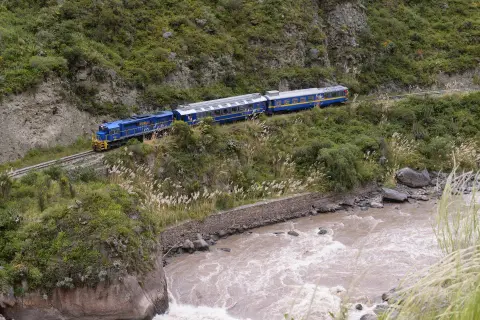
- Protests and strikes can start without notice and block roads, railways and borders, above all in the south, around Cusco, Puno, Arequipa and Madre de Dios, and in the centre of Lima. Trains to Machu Picchu have been stopped several times, including for days in September 2025. Boats can be blocked in the jungle too.
- Don't join in or go to watch. Foreigners can be detained or deported for taking part in political protests.
- Never try to cross a blockade.
- Keep water, food, cash and medicine with you, leave a spare day or two before your flight home, and ask iPerú for news.
Women travellers
Harassment on the street is common, and sexual assaults, though not frequent, happen, mostly around Cusco and Arequipa, some by guides or tour sellers. Use agencies with reviews, book through your hotel, share your route, watch your drinks being poured, and don't go to a tour or ceremony alone with one person. See also ayahuasca in Health.
LGBT+ travellers
Same-sex relationships are legal, but partnerships aren't recognised and attitudes are conservative. Lima and Cusco are more open. Showing affection in public may draw unwanted attention.
Activities
- Sand buggies at Huacachina have killed and injured visitors. They aren't regulated, so if you go, look at the buggy's belts and roll bars, ask for a slow ride, and check your insurance.
- Nazca Lines flights: there have been fatal crashes. Use a licensed airline with a good record, and ask iPerú. The Canadian government says flights from Pisco are the safest option.
- Rafting on the Urubamba has caused deaths. Check the operator's equipment and licence.
- Huayna Picchu: people have died falling. The steps are steep and have no railings in places.
The law
- Carry ID at all times. Police may ask for it.
- Drugs mean long prison sentences in very hard conditions. Pack your own bags, and never carry anything for anyone.
- Don't photograph military sites: it can mean prison.
- Don't damage or climb on ruins, and don't take anything from them.
Nature
- El Niño: Peru's El Niño committee expects a very strong coastal El Niño to last to February 2027 and fade by about July. Heavy rain, floods and landslides are likely on the northern and central coast. See When to go.
- The rainy season in the Andes, November to April or so, brings landslides on mountain roads, treks and the line to Machu Picchu.
- Earthquakes are frequent. Know your hotel's way out. After a strong quake on the coast, move to high ground.
- Volcanoes near Arequipa, such as Ubinas and Sabancaya, are active at times. Follow local warnings.
Useful numbers
- Police 105, ambulance 106, fire 116. Don't rely on English being spoken.
- iPerú, the official tourist help line: +51 1 574 8000, or WhatsApp messages to +51 944 492 314, day and night. They can help with problems with tours and with police reports.
- The tourist police have offices in the main tourist cities. You'll need a police report (denuncia) for your insurance.

Comments
No comments yet.