
Health in Peru: water and food, yellow fever, dengue, insurance and ayahuasca
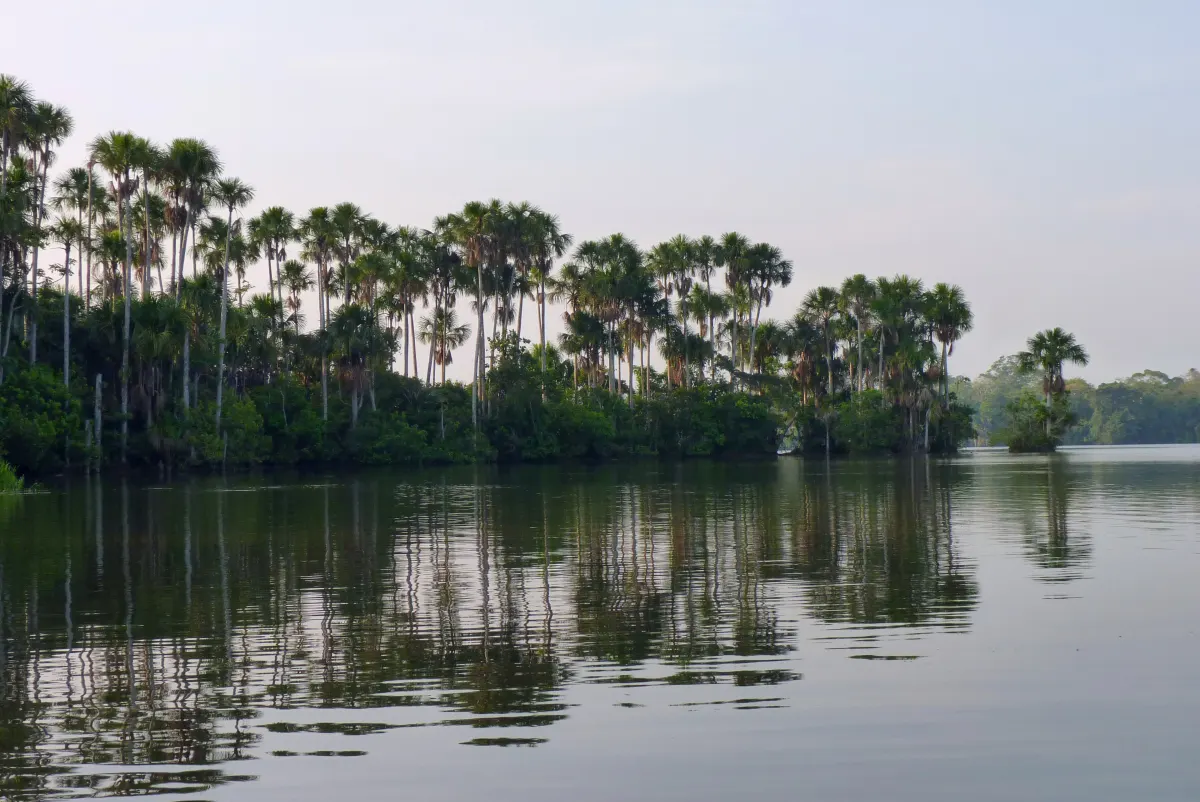
See a doctor or travel clinic six to eight weeks before you go, and tell them every region you'll visit: the coast, the mountains and the jungle have different risks.
Vaccinations
- For most travellers, hepatitis A, typhoid and tetanus are recommended, with your usual ones up to date, including measles. Ask about rabies and hepatitis B.
- Yellow fever vaccination is recommended if you're going below 2,300 m in the Amazon and the eastern slopes: Madre de Dios (Puerto Maldonado, Manú), Loreto (Iquitos), Ucayali, San Martín, Amazonas and parts of other regions, including the lowlands of Cusco and Puno. It's not recommended if you're only visiting Lima, the coast south of it, Cusco city, the Inca Trail, Machu Picchu or Puno city.
- It's a real risk: 49 people had it in Peru in 2025 and 19 died, and there were cases in Madre de Dios in 2026. Have it at least ten days before, at an official centre. It doesn't suit everyone, so ask if you're over 60, pregnant or have a weak immune system.
- You don't need a certificate to enter Peru, but you may for the next country: see Arriving in Peru. Some jungle lodges may ask.
Mosquitoes
- Dengue is common in the jungle, on the northern coast and in warm cities. The UK government says there's a major outbreak, after floods. Oropouche, chikungunya and Zika are also about. If you're pregnant, or might be, get advice before you go.
- Malaria is a low risk in the Amazon below 2,000 m, mainly in Loreto. Ask a clinic whether you need tablets. There's none in Lima or on the coast south of Chiclayo, or in Cusco and Machu Picchu.
- Use repellent with DEET or picaridin, day and night, long sleeves and trousers, and sleep under a net in the jungle. Sandflies at Machu Picchu and in the jungle bite too.
- If you get a fever within a year of the jungle, see a doctor at once and say where you've been.
Water and food
- Don't drink tap water anywhere in Peru. Use bottled, boiled, filtered or treated water, and brush your teeth with it. Bring a filter bottle to save plastic.
- Ice in good restaurants is usually made from treated water. Elsewhere, ask.
- Eat food that's freshly cooked and hot, peel your own fruit, and eat ceviche at busy lunchtime places: see Food and drink.
- Bring rehydration salts. See a doctor for a fever, blood, or if it lasts more than a few days.
Altitude
Cusco, Puno, Colca and the treks are high enough to make you ill. Plan your route to climb slowly, and know the warning signs: see Altitude.
Sun, cold and animals
- The sun is very strong at height, even when it's cool. Wear sunscreen, a hat and sunglasses.
- Nights in the mountains are below freezing in June and July, and many rooms have no heating.
- Don't touch dogs or wild animals, or feed monkeys. If you're bitten or scratched, wash it for 15 minutes with soap, and get rabies treatment the same day.
Hospitals and insurance
- Lima has good private clinics, and Cusco and Arequipa have some. Elsewhere care is basic, and on treks and in the jungle help may be many hours away.
- Private clinics want proof of insurance or payment before they treat you. Carry your insurer's number.
- Make sure your insurance covers the height you'll reach, trekking, any adventure activities, medical evacuation, and cancellation because of strikes.
- The public ambulance number is 106. Private ones may be quicker in Lima.
- Pharmacies are everywhere, but bring your own medicines in their boxes, with the prescription.
Ayahuasca and San Pedro
- Ceremonies with these hallucinogenic plants are offered around Iquitos, Pucallpa and Cusco. The UK government warns that people have become seriously ill and some have died, and that there have been sexual assaults. The Canadian government advises avoiding them.
- They aren't regulated, places are usually remote, and there's often no one with medical training.
- Ayahuasca can be dangerous with many medicines, including antidepressants, and for people with heart problems or a history of mental illness.
- It contains DMT, which is illegal in many countries, so don't take any home.
Alcohol
There have been deaths and serious illness in Peru from drinks containing methanol. Don't drink home-made or very cheap spirits, avoid free shots and cocktails in jugs, and choose sealed bottles and beer or wine. Blurred vision, confusion or bad stomach pain afterwards means hospital at once.
Check TravelHealthPro's Peru page, or your own country's, for current outbreaks.
Comments
No comments yet.