
Hygge: what it means, what it isn't, where a visitor finds it, and how to have some yourself
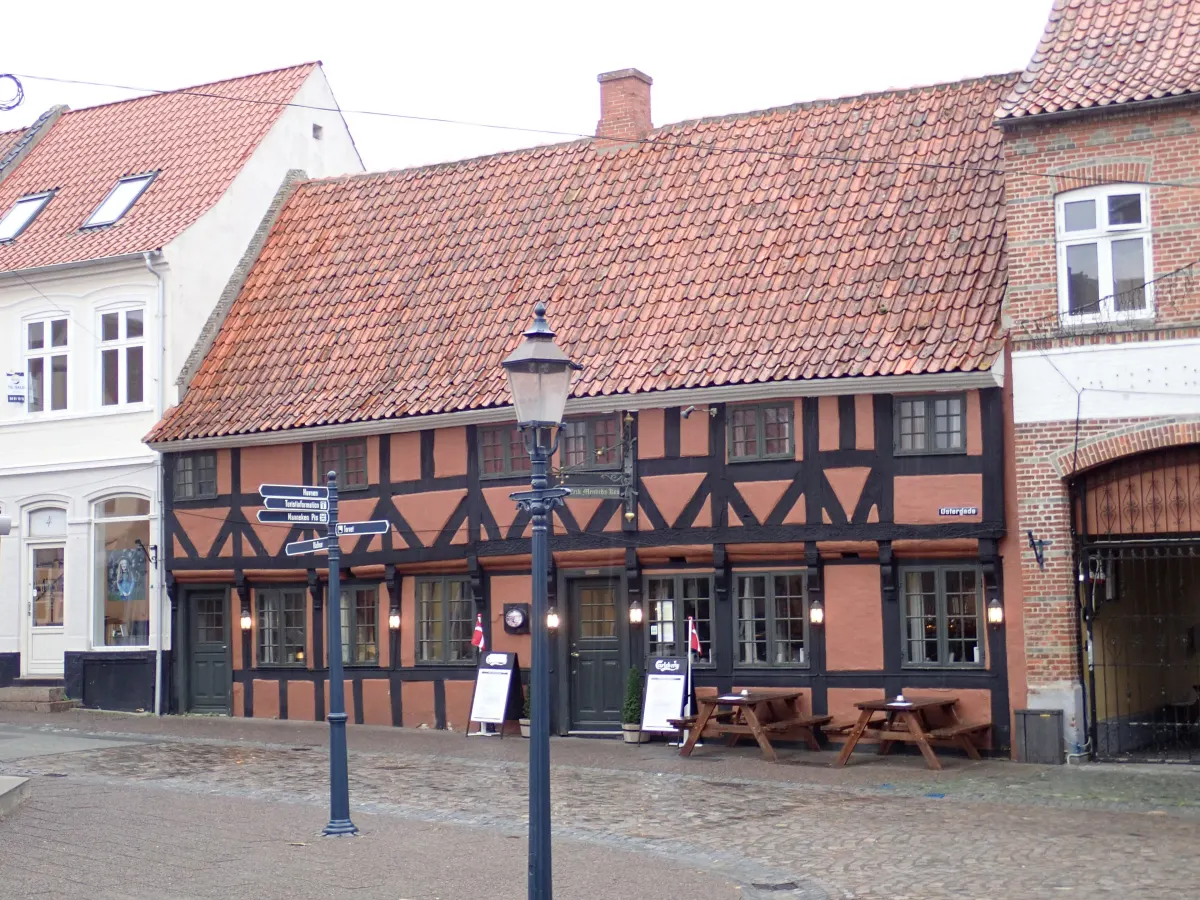
Hygge (say HOO-guh, with the lips round) is the feeling of being safe, warm and equal with people you like, for a couple of hours, with nothing to prove. The candles are only there to help.
The word
- It's a noun and a verb. Skal vi hygge? means shall we have a nice quiet time. Hyggeligt is the adjective, and the commonest compliment in the language: an evening, a café, a grandmother, a town.
- The opposite is uhyggeligt, which means sinister, and is used for murders and cellars.
- It comes from Norwegian, and has been Danish since about 1800. The books about it are from 2016. Danes were a bit surprised.
What makes it
- Light: low, yellow and several, never one lamp in the ceiling. Danes burn more candles than anybody in Europe.
- A few people, known to each other. It can be done alone, with a book and rain on the window.
- Something warm or sweet: coffee, cake, gløgg, soup. Cheap is fine, and better than grand.
- Time. Nobody looks at the phone, argues about politics, sells anything or shows off.
- Everybody helps. One person working in the kitchen while the others sit isn't hygge.
When
- October to March, when it's dark at four, is its season, and December is its feast: see Christmas in Denmark.
- In summer it moves outdoors: a long table in a garden, a bonfire on the beach on 23 June (Sankt Hans), a picnic by the harbour at eleven in the evening, with the sky still light.
- Fredagshygge is Friday evening at home, with sweets and television.
Where a visitor finds it
- A bodega: an old, brown neighbourhood pub, with dice on the bar, where some still allow smoking. Go in, say hello, sit down.
- A cellar restaurant for a long smørrebrød lunch, on a wet Thursday.
- Cafés in Nørrebro and Vesterbro in Copenhagen, and the Latin Quarter in Aarhus, where you can sit for two hours over one coffee.
- Tivoli in December, or on a weekday evening in late September, with the lamps lit.
- Louisiana's café, with the sea and the Calder mobiles, in the late afternoon. It's open till 22:00 from Tuesday to Friday.
- An inn (kro) in the country, with thatch and a set dinner. There are about a hundred, and many have rooms.
- A holiday house (sommerhus) on the Jutland coast, with a wood stove, in November. That's how Danes do it themselves, and it's cheap then.
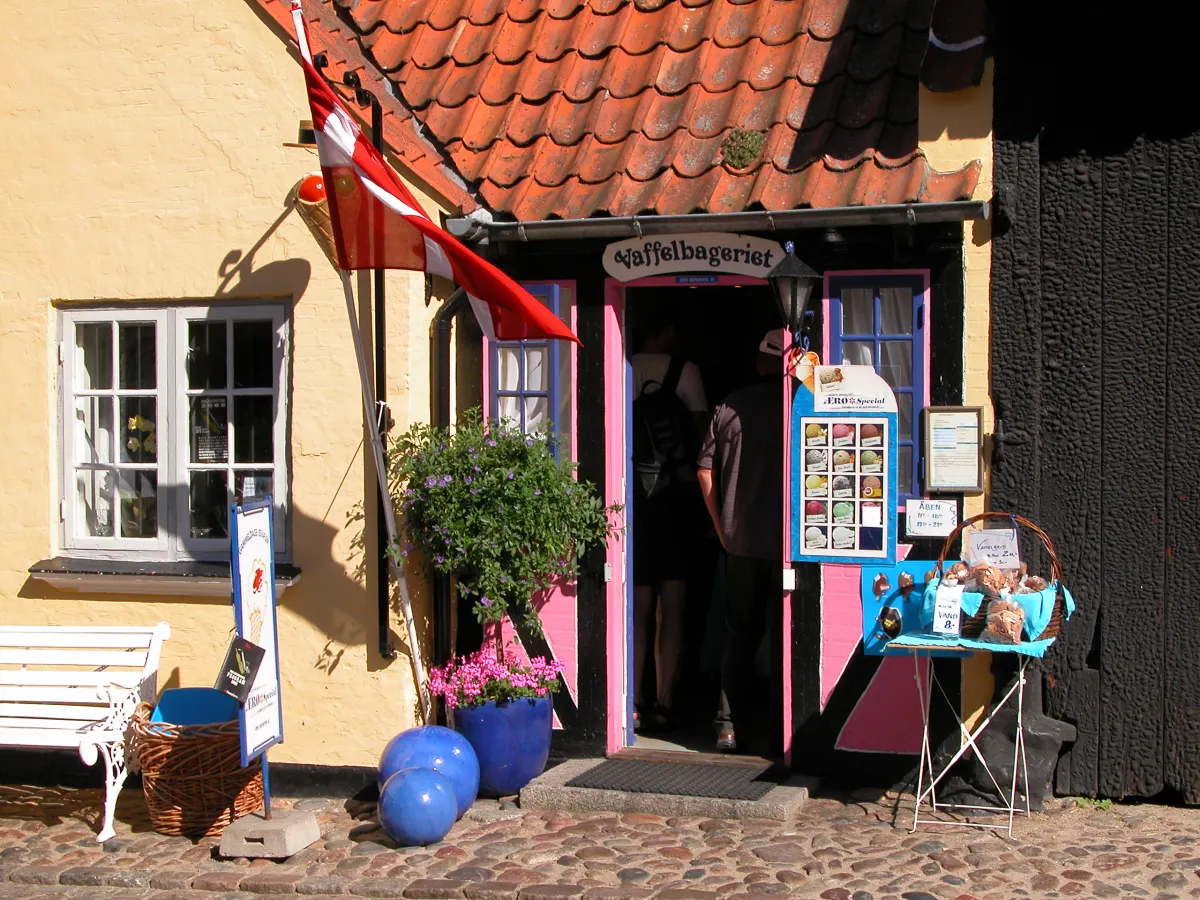
- Small towns: Ærøskøbing, Ribe, Dragør, Ebeltoft.
At somebody's home
- Come on time, take off your shoes, and bring something small: flowers, chocolate, a bottle.
- Expect to sit at the table for three or four hours. Don't jump up after the coffee: it's the beginning of the second half.
- Join in with small things. Clear a plate. Don't praise everything.
- Say tak for mad when you leave the table, and tak for sidst (thanks for last time) when you next meet. More in Culture and manners.
What it isn't
- A thing you can buy. Candles from a design shop are just candles.
- An invitation to strangers. It's a closed circle, and people from other countries who settle here find it hard to get into. It isn't meant unkindly.
- Permanent. Danes are brisk, busy and quite blunt the rest of the time.
One caution, in a rented house: the fire brigade's busiest time is Advent. Put candles out when you leave the room.

Attractions
Tivoli Gardens, Copenhagen
Copenhagen, Capital Region of Denmark
One of the oldest amusement parks in the world, opened in 1843 in the heart of Copenhagen, with gardens, historic and modern rides, including a woode…

Attractions
Louisiana Museum of Modern Art
Humlebæk, Capital Region of Denmark
One of the world's most loved art museums, in a series of low buildings set in a sculpture park on the coast north of Copenhagen, looking across the …
Comments