
Money in Denmark: kroner, cards and their fees, the 1,000-krone note, MobilePay, prices, tax-free shopping and saving
Denmark is in the EU but keeps its own money, the krone (DKK, or kr.), held at about 7.46 to the euro. You can go for a fortnight without touching it, as everybody pays by card. And it's expensive.
Cards
- Contactless Visa and Mastercard, and phones, work nearly everywhere. American Express works in hotels and larger shops. Know your PIN: unmanned petrol pumps and some machines want it.
- Cards from outside the EU and EEA (the UK counts as outside), and company cards, may have a surcharge added, often 1 to 4%. It should be shown before you pay, and often isn't. Cards issued to consumers in the EU can't be charged extra.
- If the machine asks, choose to pay in kroner, not in your own currency.
- Some small places take only MobilePay or Dankort. MobilePay needs a Danish bank, so visitors can't have it. Ask, or have cash.
Cash
- Notes are 50, 100, 200 and 500 kroner. Coins are 50 øre, and 1, 2, 5, 10 and 20. Totals in cash are rounded to the nearest 50 øre.
- The 1,000-krone note is worthless. So are all notes from before the series with bridges on them (2009 to 2011). They stopped being money on 31 May 2025, and the National Bank stopped changing them on 31 May 2026. Don't accept one, and don't buy them from anybody at home.
- A new series is due in 2028 or 2029. The present ones carry on until further notice.
- Shops with staff have to take cash, with some exceptions, mostly at night. Buses, museums and cafés often don't.
- Faroese notes look different, and shops outside the islands may refuse them. Greenland uses Danish ones.
- Cash machines (hæveautomat) are in banks and supermarkets. A fee may be added. Exchange offices give a poor rate.
- Euros are taken in some tourist shops and at the border, at the shop's own rate.
What things cost
- Coffee: 35 to 50 kroner. A pastry: 25 to 45. A hot dog: 35 to 50.
- A lunch of two open sandwiches: 150 to 300. A main course in the evening: 180 to 300. A beer in a bar: 50 to 80, and from a shop 8 to 20.
- A museum: 125 to 200. Under 18 it's often free.
- A hostel bed: 250 to 450. A double room in Copenhagen: 1,000 to 2,000, and more in summer.
- Prices on the ticket include 25% VAT, and in restaurants the service. See Tipping.
Tax-free shopping
- If you live outside the EU, you can have part of the VAT back, 10 to 19% of the price, on purchases over 300 kroner in a shop that's in the scheme. People who live in Norway have other rules.
- Ask for the form when you pay. Have it stamped by customs as you leave the EU, with the goods at hand. At Copenhagen Airport that's before security.
Spending less
- Eat the main meal at lunch, when places have a fixed price. Bakeries, food halls and shawarma shops fill you up in the evening.
- Drink the tap water. In restaurants it may be charged for, 10 to 30 kroner, so ask.
- Netto, Rema 1000 and Lidl are the cheap supermarkets. Reduced food is by the till, with yellow labels.
- Too Good To Go, an app that began in Copenhagen, sells bags of what bakeries and cafés have left.
- Take back bottles and cans with the pant mark: 1 to 3 kroner each, at the machine in any supermarket.
- The National Museum and others are free under 18. The Glyptotek and SMK have a cheap or free day or evening from time to time: look at their sites.
- Free anyway: the beaches, the harbour baths, the churches, the parks, Assistens Cemetery, the changing of the guard at Amalienborg at noon.
- Buy trains early: see Trains.
There was no tourist tax on beds in November 2026. A plan for one was left out of the government's budget for 2027.
Attractions
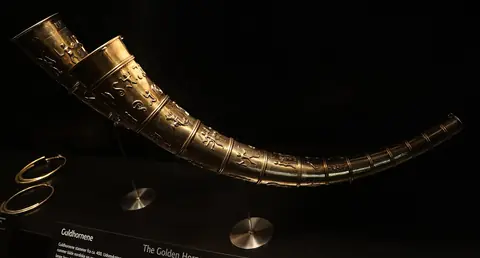
National Museum of Denmark, Copenhagen
Copenhagen, Capital Region of Denmark
Danish history from the Ice Age to today, with the Sun Chariot, Viking treasures, the Egtved Girl's Bronze Age grave and Danish everyday life.
Attractions
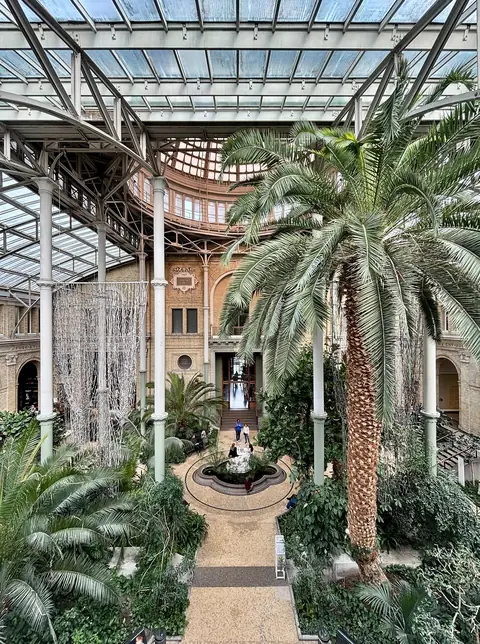
Ny Carlsberg Glyptotek, Copenhagen
Copenhagen, Capital Region of Denmark
A museum founded by Carl Jacobsen of the Carlsberg brewery, with ancient sculpture, Rodin, French Impressionists, and a glass-domed winter garden wit…
Comments