
Weather and road warnings in Iceland: vedur.is, umferdin.is, safetravel.is and the 112 app
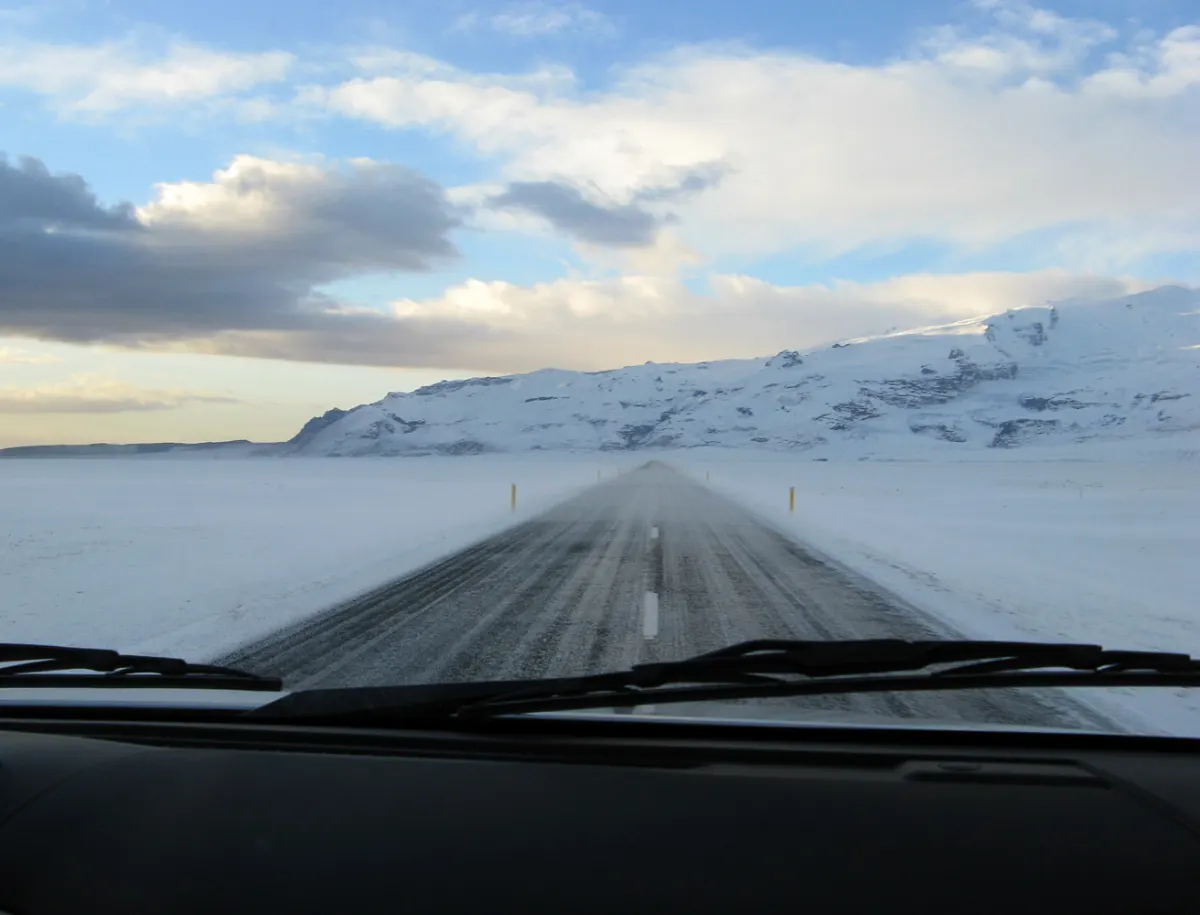
Icelanders check three things before they set out: the weather, the roads and the alerts. Do it in the morning and again at midday. It takes two minutes.
The three sites
- vedur.is, the Icelandic Met Office: forecasts, warnings, cloud maps and the northern lights, earthquakes and avalanche danger. There's an app too. Weather apps from home use coarse models, and miss the wind.
- umferdin.is, from the Road Administration: every road in colour, with wind, webcams and works. The old address road.is brings you here. You can also phone 1777.
- safetravel.is, run by ICE-SAR, the volunteer rescue teams: alerts in English, conditions at Reynisfjara and the glaciers, and checklists.
Google Maps doesn't always know that a road is shut, and will send you over a mountain in January.
Weather warnings
- Yellow: be careful and look at your plans. Bad enough for a tall van or a nervous driver to stay put.
- Orange: dangerous. Don't travel.
- Red: rare and serious. Stay indoors.
- They're given for each region and hour. Often you can go round, or wait four hours.
Wind
It's given in metres a second. Multiply by 3.6 for km/h. Look at the gusts, which are far stronger near mountains, such as below Eyjafjöll, Öræfi and Hafnarfjall.
- 10: windy. Hold your hat and the car door.
- 15: hard going on foot. Motorhomes and tall vans shouldn't be on the road.
- 20: walking is difficult, and driving is dangerous in exposed places.
- 25 or more: don't drive.
Colours on the road map
- The colours run from easily passable, through spots of ice, slippery and extremely slippery, to snow, difficult and impassable. Read the key on the map, as it changes.
- "Mountain vehicles" means a big 4x4, not a small hire jeep. Grey or unknown roads haven't been looked at. Don't be the test.
Safetravel
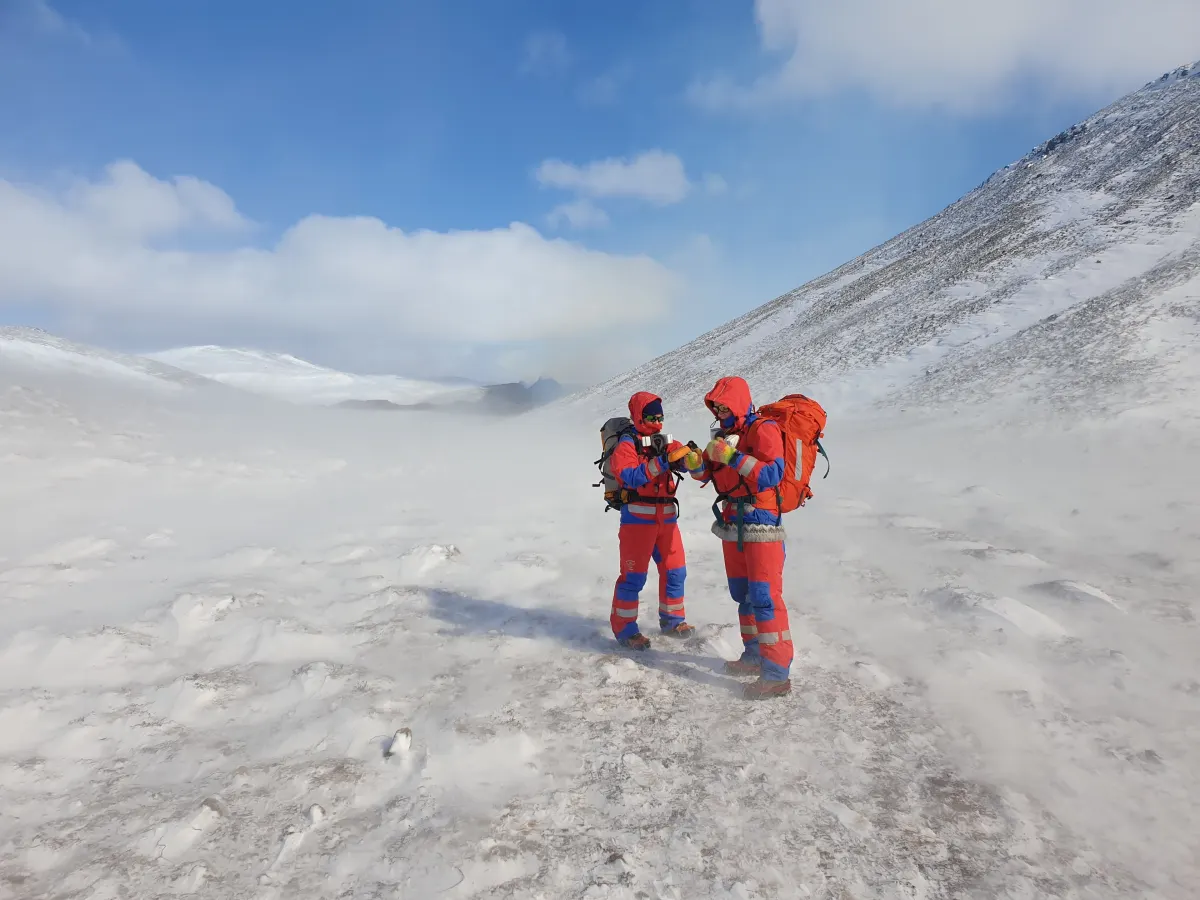
- The Safetravel app gives alerts, and on a hike lets you send your position to 112.
- Leave a travel plan on the site before a hike or a highland trip. Name somebody who'll raise the alarm. You can hire a locator beacon too.
- Rescue is by volunteers, in their own time, and it's usually free. Don't call them out because you ignored the sign.
Emergencies
What to wear
Wool or synthetic next to the skin, a fleece or down, and a wind- and waterproof jacket and trousers on top. No cotton. A hat and gloves even in July, and waterproof boots. Umbrellas don't last a day. From November to April, put on slip-on spikes, which any petrol station sells. Reykjavík's pavements are ice too.

Comments