
Volcanoes in Iceland: is it safe, the Reykjanes eruptions, Grindavík, gas, and where to check
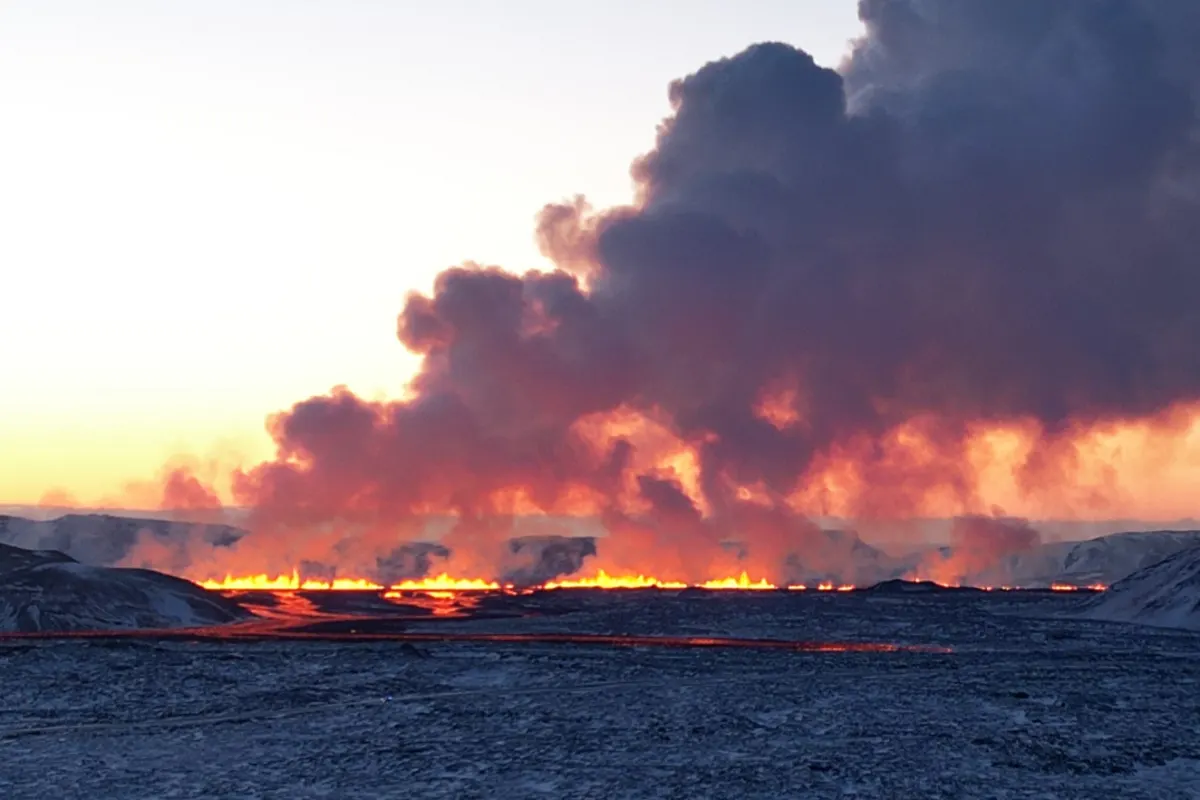
There was no eruption in Iceland in November 2026, and one could start on the Reykjanes peninsula at short notice. That isn't a reason to stay away. The eruptions since 2021 have been in one small area, flights and the Ring Road have carried on, and visitors have been safe where they've kept out of closed areas.
The state of things
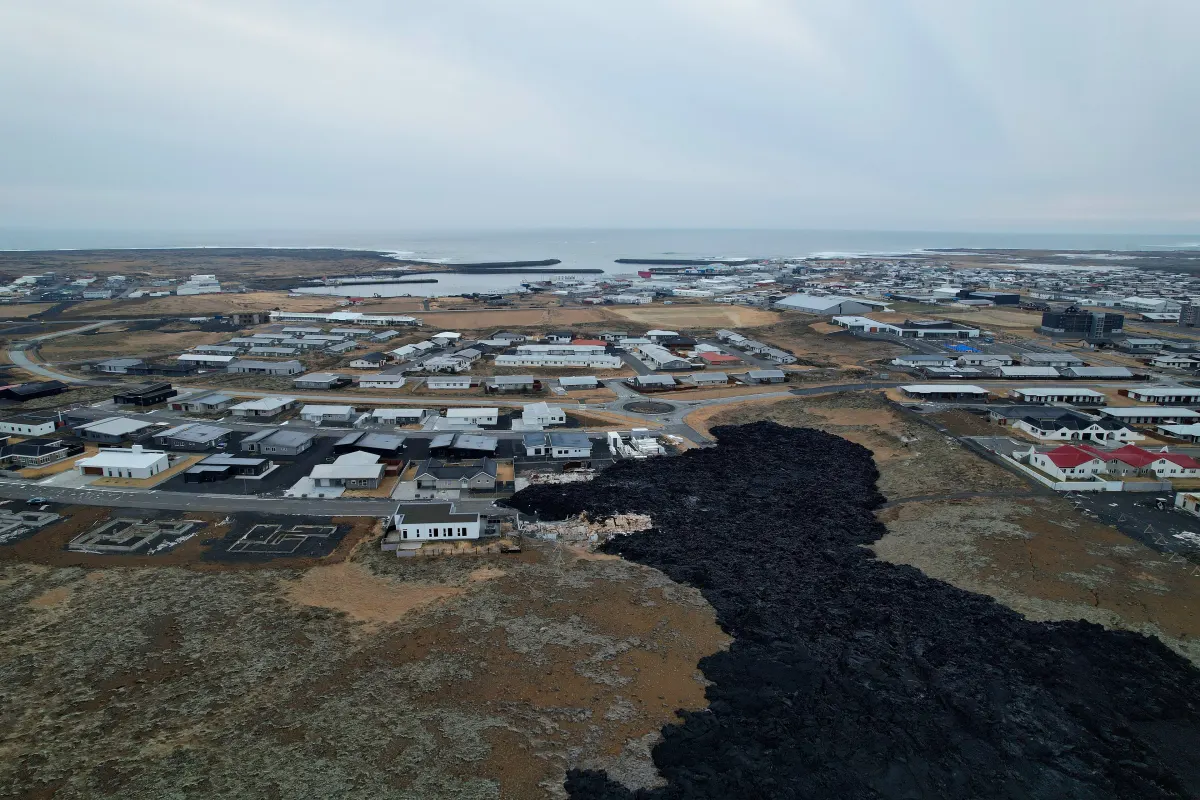
- The Sundhnúkur crater row, by Grindavík in the south-west, erupted nine times between December 2023 and August 2025. The last one ended on 5 August 2025.
- The ground at Svartsengi has been rising since. On 10 November 2026 the Met Office put the magma gathered there at about 29 million cubic metres, more than before earlier eruptions. It said a new flow of magma, perhaps followed by an eruption, was the most likely outcome, and that nobody could say when.
- The system was at orange, level 2. The hazard map was valid until 5 January 2027. Warnings before past eruptions ranged from about 20 minutes to about four hours.
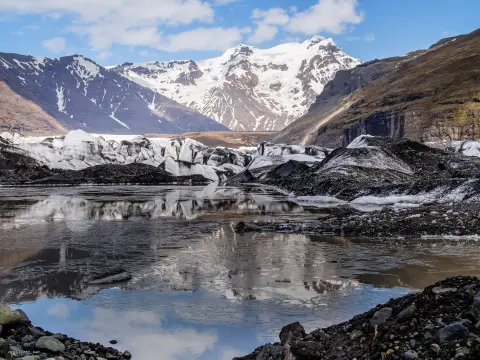
- The other volcanoes are watched too. Katla, under the ice above Vík, Hekla and Grímsvötn all erupt from time to time. Hekla may give very little warning, so think before you climb it. Around glaciers, floods of meltwater can cut roads, and gas can gather near ice caves and river mouths.
Where to check
- vedur.is: the Met Office, for volcanoes, earthquakes and hazard maps. A new site replaced the old en.vedur.is in 2026.
- safetravel.is: the search and rescue association's advice for visitors, with alerts.
- almannavarnir.is: Civil Protection.
- umferdin.is: road closures.
- loftgaedi.is: gas and air quality, live.
- RÚV English, the national broadcaster, for news, and visitreykjanes.is for paths and parking.
Grindavík and the Blue Lagoon
- Both were open in November 2026. Some people and the school have gone back to Grindavík. Cracks under the ground have been fenced off: stay on paths and roads.
- If the sirens sound or your phone gets an alert, leave at once by the marked route. Don't stop to film. The sirens are tested now and then. Safetravel gives notice.
- The Blue Lagoon has been cleared several times in recent years, with guests out safely, and gives refunds or new dates when it closes. If it's the one thing you came for, go early in your trip. Use the road signs rather than the sat-nav.
If there's an eruption
- Stay away until the authorities open a way to see it. The first hours are the most dangerous, and new cracks can open without warning.
- Don't stop on the road from Keflavík to Reykjavík.
- Gas is the hidden danger. It's heavy, and lies in hollows on still days. Stay upwind and uphill. Children, pregnant women and people with asthma or heart trouble should keep away.
- Never walk on new lava, for months or years. A hard crust can hide glowing rock, and breaks.
- Lava eruptions like these make little ash. In 2010, ash from Eyjafjallajökull, a different kind of volcano, stopped flights over Europe. If that happened again, your airline would have to rebook you. Have insurance that covers volcanic ash.
Seeing volcanoes safely
- At Fagradalsfjall (2021 to 2023) you can walk to viewpoints over cold black lava from the car parks on road 427. Path A is 6 to 8 km each way, over rough and steep ground. The weather turns quickly. Check that the path is open.
- In Reykjavík, Perlan and the Lava Show explain it all in the dry.
- Older craters and lava are everywhere: Mývatn, Snæfellsjökull and Landmannalaugar.
- Around hot springs, stay on the boardwalk. The ground can be a thin crust over boiling mud.
See also Weather and road warnings.

Tours and activities
Blue Lagoon, Iceland
Grindavík
A geothermal spa of milky-blue warm water in a black lava field on the Reykjanes peninsula, fed by water from a nearby power plant, rich in silica.

Natural features
Lake Mývatn and Námafjall
Laugar, Þingeyjarsveit
A volcanic lake in north Iceland surrounded by craters, lava formations and geothermal areas.
Attractions
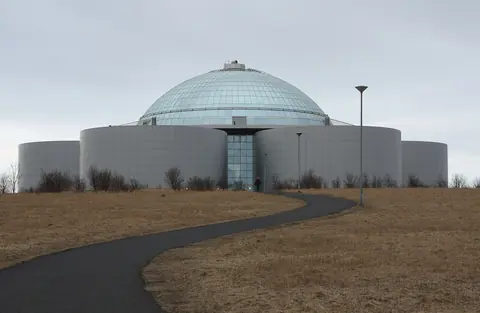
Perlan, Reykjavík
Reykjavík, Capital
A glass dome on hot water tanks above Reykjavík, with a museum of Iceland's nature: a real man-made ice cave, a glacier exhibition, volcanoes and a p…
Comments