
Health in Iceland: doctors, the 1700 line, costs for visitors, EHIC and GHIC cards, pharmacies and insurance
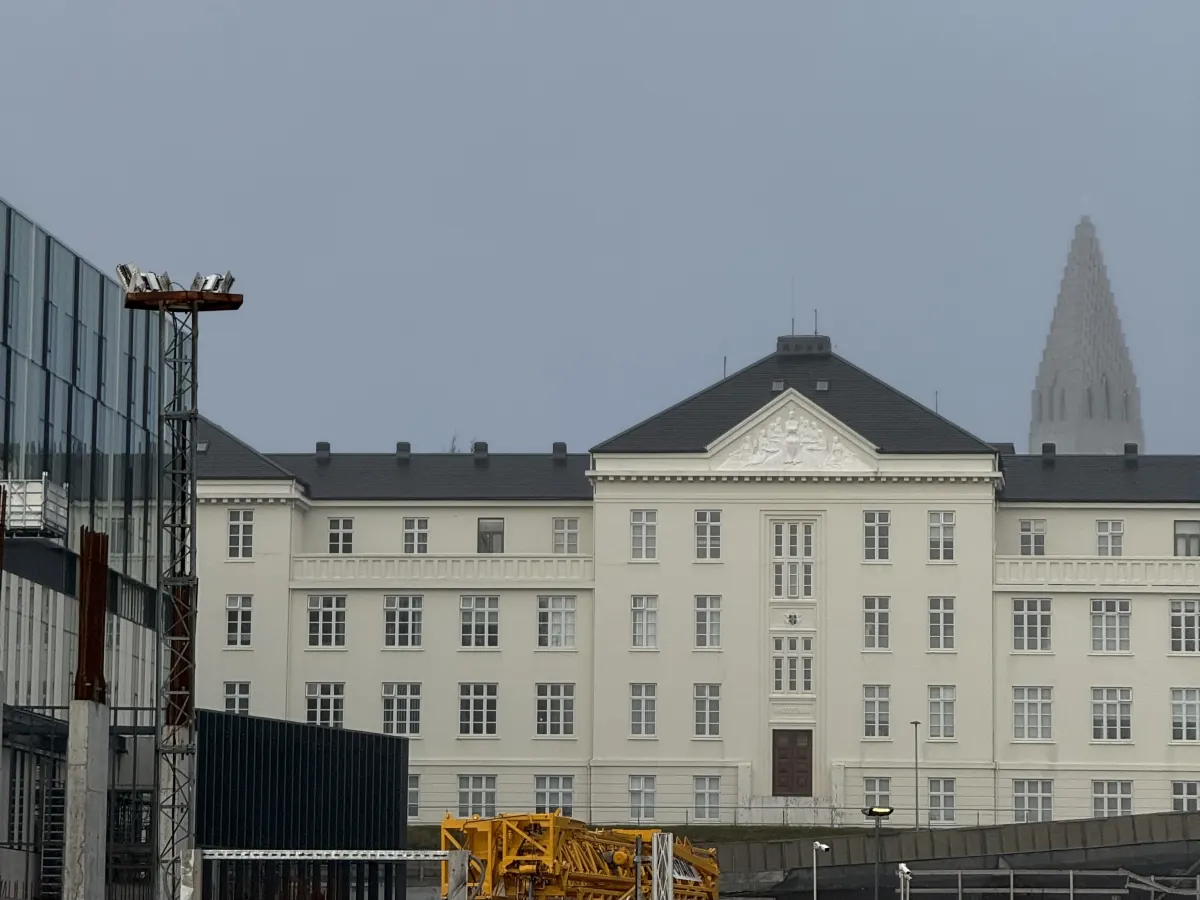
Iceland's health care is good and its tap water is excellent. You don't need any special jabs. The things that send visitors to hospital are falls on ice, car crashes and burns from hot springs.
Who to call
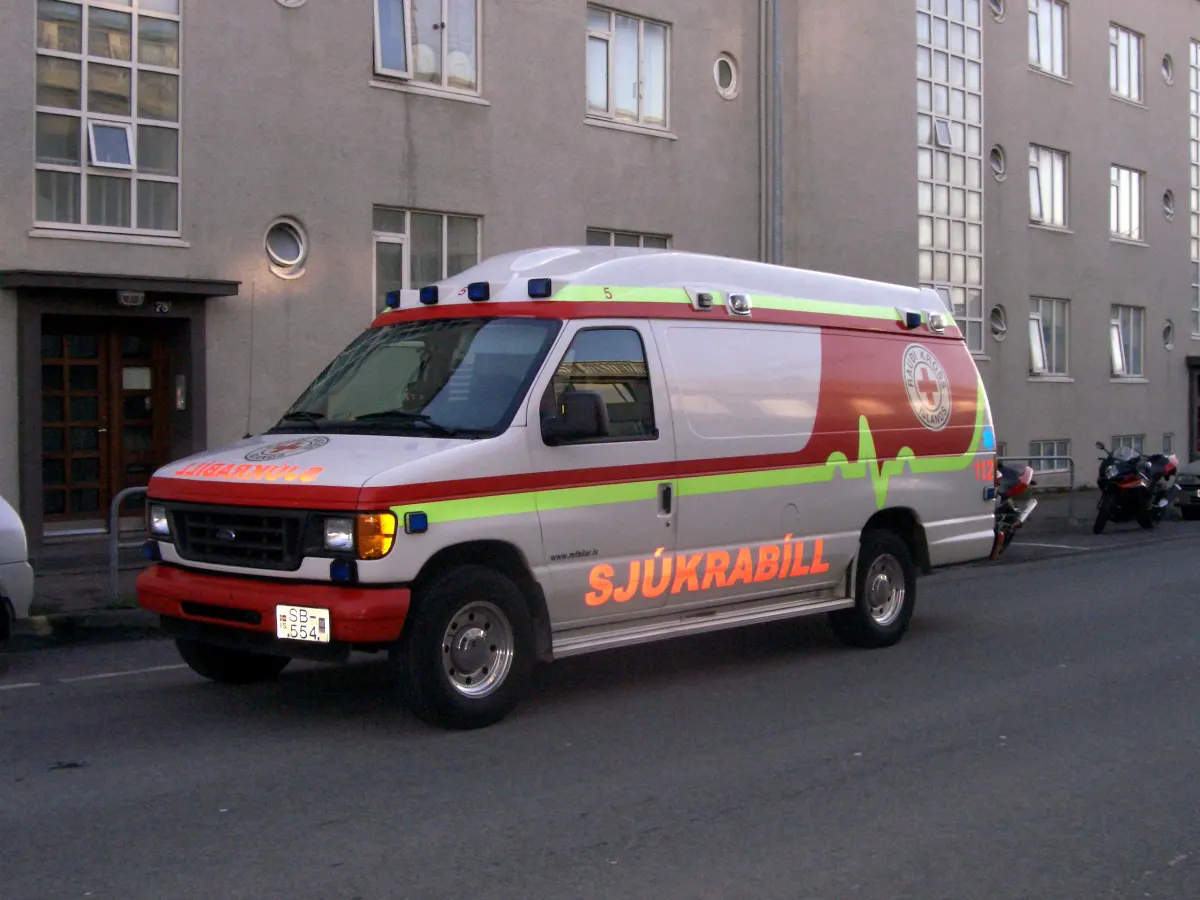
- 112 for an ambulance or a life-threatening emergency. If it doesn't connect, +354 599 0112: see Phones.
- 1700 for advice from a nurse, day or night, in English (+354 513 1700 from a foreign phone). They'll tell you whether you need a doctor, and where.
- Health centres (heilsugæsla) are in every town, with the nearest shown on heilsuvera.is. In the evening and at weekends the capital has an out-of-hours clinic, Læknavaktin.
- The national hospital, Landspítali, has its emergency department at Fossvogur in Reykjavík. There's a hospital at Akureyri, and small ones elsewhere. Serious cases are flown.
What you pay
- With an EHIC or the UK's GHIC card, and your passport, you pay what Icelanders do for care you can't put off. Without both you pay in full.
- Others pay in full. A visit to a clinic in the capital was about 14,000 krónur by day and 20,600 after 4 pm in 2026. A visit to the emergency department is many times that, and a night in hospital is hundreds of thousands.
- They take cards, and expect payment when you leave.
Insurance
- Have insurance for treatment and being flown home. The card doesn't cover that, or private clinics.
- Check that it covers what you'll do: glacier walks, snowmobiles, riding, snorkelling at Silfra. Many policies have an exclusion for glaciers.
- Look for cover when volcanoes or storms stop you getting home.
- Rescue by the volunteers is usually free. The ambulance isn't.
Pharmacies and medicines
- A pharmacy is an apótek. Many close at 6 pm, and on Sundays in the country. In Reykjavík a few stay open late.
- Only they sell painkillers and cold medicines. Supermarkets don't, so bring a few. Much that's sold freely elsewhere needs a prescription here.
- Bring enough of your own for the whole trip, up to 100 days' supply, in its box, with the prescription.
Cold and wind
- Hypothermia is possible in July. Wet and wind are worse than frost. Shivering, stumbling and muddled talk are the signs: get out of the wind, into dry clothes, and drink something hot. See what to wear in Weather and road warnings.
- From November to April wear spikes on your shoes, in Reykjavík as well.
Burns, sun and midges
- Ground near hot springs can give way. For a scald, use cool water for 20 minutes, and then a doctor. In showers, the hot tap is hot enough to hurt: start with the cold.
- The sun reflects off ice and snow. Bring sunglasses and cream.
- Midges swarm at Mývatn from June to August. Most don't bite. A head net helps. Biting midges have spread in the south and west, and need repellent. Mosquitoes were found in Iceland for the first time in 2025. They carry no disease here. Ticks are rare.
Water and food
Drink from the tap anywhere. Streams in the hills are mostly clean, but not the grey ones from glaciers, or below sheep. Pasteurised milk and careful kitchens mean stomach trouble is unusual.
Other needs
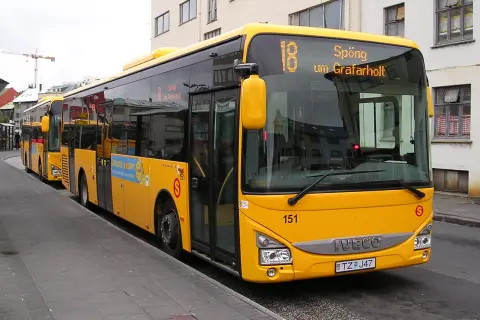
- Reykjavík's museums, pools and buses are mostly accessible. Waterfalls and beaches vary. Geysir, Gullfoss's upper platform and Þingvellir's viewpoint have good paths.
- The dark in winter and the light in summer disturb sleep. Bring an eye mask.
- If you need to talk, the Red Cross line 1717 is open day and night.

Comments