
Arriving in Italy: Schengen rules, passports, EES and ETIAS, registering and customs
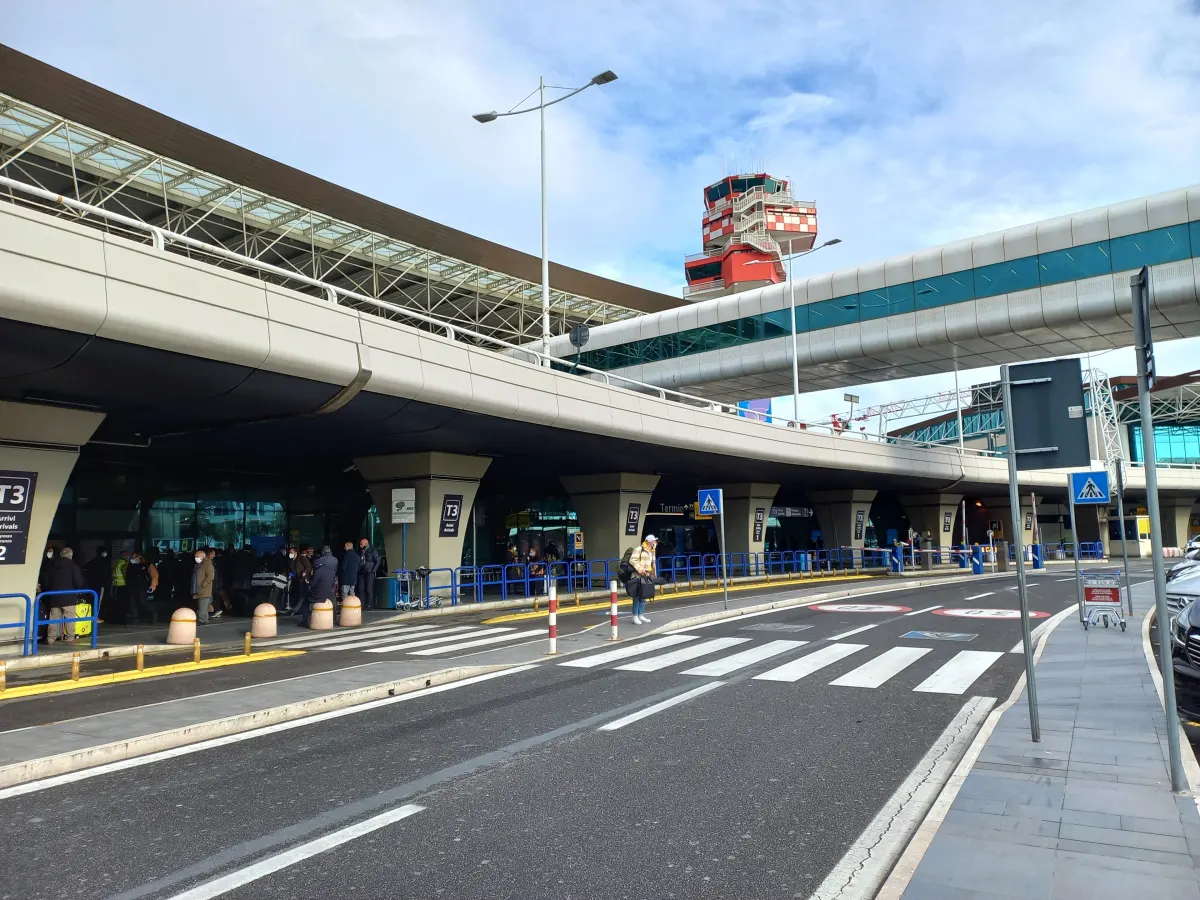
Italy is in the Schengen area, the group of European countries with no routine passport checks between them. Most visitors from outside the EU can come for up to 90 days without a visa. Two new systems matter: EES, which is running, and ETIAS, which isn't yet.
The 90-day rule
- Citizens of the UK, USA, Canada, Australia, New Zealand, Japan, South Korea, Brazil and many other countries can stay without a visa for up to 90 days in any 180-day period. The days count for the whole Schengen area together, so time in France or Spain uses them up too.
- Overstaying can mean a fine and a ban of up to three years.
- EU, EEA and Swiss citizens need only a passport or national identity card. Other nationalities, including Indian, Chinese and South African citizens, normally need a Schengen visa, applied for in advance.
Your passport
- For visitors from outside the EU, it must have been issued less than 10 years before you arrive, and be valid for at least three months after you leave the Schengen area.
- Border officers can ask for a return ticket, proof of where you're staying, travel insurance, and enough money for your stay.
- If you also have an Italian passport, enter and leave on it.
EES: fingerprints and a photo
- The Entry/Exit System replaced passport stamps for visitors from outside the EU and Schengen. It became fully operational on 10 April 2026.
- The first time you cross the border, your fingerprints and photo are taken. It's free, there's nothing to apply for before you travel, and children aged 11 or younger don't give fingerprints. The record lasts three years, so later trips are quicker.
- Expect longer queues on the way in and out, and leave extra time before a flight home.
- If you arrive from another Schengen country there's normally no check in Italy: you register where you first enter. There can be spot checks, and checks at the land border with Slovenia.
ETIAS: not yet
- ETIAS is an online travel authorisation that visa-free visitors will need. At the end of November 2026 the EU's official site said it isn't in operation and that no applications are being accepted. It had been planned for late 2026, but there is no start date now. The EU says it will announce one several months ahead.
- When it starts, it will cost €20 and be applied for online.
- Any website that offers to take your application now is not genuine. The only official address is travel-europe.europa.eu. Look there before you book.
Registering your stay
- Hotels and rentals must register every guest with the police, so you'll be asked for your passport when you check in. Don't leave it behind.
- If you come from another Schengen country and stay with friends or anywhere that doesn't register guests, you're meant to make a declaration of presence (dichiarazione di presenza) at the police headquarters (questura) within eight days.
Customs
- From outside the EU you can bring up to €430 of goods by air or sea (€300 by land, €150 for under-15s), plus, for over-17s, 200 cigarettes, 1 litre of spirits or 2 litres of fortified wine, 4 litres of wine and 16 litres of beer.
- Meat, milk and anything made with them are banned from most countries outside the EU, in any amount. Baby milk and special medical foods are allowed in small amounts.
- Declare cash of €10,000 or more, in or out.
See also getting into town from the airports, Venice's access fee, Getting around Italy, Money and 10 days in Rome, Florence and Venice.
Comments