
Safety in the USA: crime, guns, scams, the police, protests and dangerous wildlife
Most visits to the USA are trouble-free, and the UK, Canadian and Australian governments advise only normal precautions. Violent crime is concentrated in particular neighbourhoods and rarely affects tourists. You're more likely to have a car broken into, to be hurt on the road, or to get into difficulty with heat or water outdoors.
City sense
- Crime can change from one block to the next. Ask your hotel which streets to avoid, especially at night, and take a taxi or ride app rather than walk through empty areas.
- Many downtowns, such as parts of San Francisco, Los Angeles, Portland, Seattle and Philadelphia, have people living on the streets, some with drug or mental health problems. They're rarely a danger: keep your distance and walk on.
- On the subway at night, use the busier carriages, and stand back from the platform edge.
- If you're robbed, hand it over. Assume that anyone could be armed.
- Car break-ins are the most common crime against visitors. Leave nothing in sight or in the boot. Don't pull over if a stranger signals that something's wrong with your car: drive to a busy, lit place.
- Dates arranged online and drinks left alone carry the usual risks: meet in public and watch your drink.
Guns
- There are more guns than people, and in many states adults can carry them openly or hidden without a permit. It's a shock to some visitors but usually nothing to worry about.
- Avoid arguments, above all between drivers, and don't walk onto private land or up to a house at night.
- Mass shootings get worldwide attention, but the chance of being caught in one is tiny. The official advice is run, hide, fight: get away if you can, hide if you can't, and fight only as a last resort. Call 911.
Scams
- Fake ticket sellers near New York's Battery: the only ferry that lands at the Statue of Liberty is Statue City Cruises, whose ticket office is inside Castle Clinton.
- Costumed characters in Times Square and on the Strip and Hollywood Boulevard expect payment for photos. "Free" CDs, bracelets and rides in pedicabs aren't free: agree the price.
- Holiday homes that don't exist: book through a known site and don't pay by bank transfer.
- Texts about unpaid tolls or parking fines are almost always fake. So are calls from "immigration" asking for money or gift cards.
- Skimmers on petrol pumps: pay inside, or tap your card.
The police and immigration checks
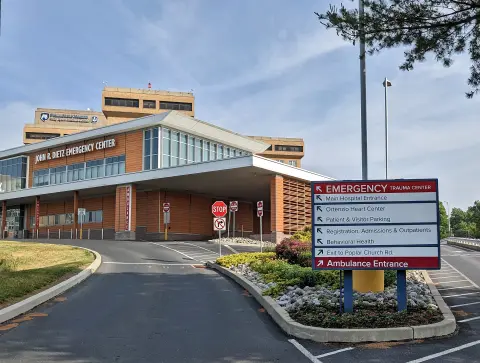
- Call 911 in an emergency. City, county, state, tribal and federal police all have their own areas.
- Do as you're told, keep your hands in sight, and don't run. You can ask whether you're free to leave, and you have the right to stay silent and to a lawyer. If you're arrested, ask for your consulate to be told.
- Immigration enforcement has become much more visible since 2025, including raids and checks away from the border. The UK government advises visitors always to carry the passport that shows their permission to be in the country. Keep a photo of it and of your I-94 as well.
Protests and terrorism
Protests are common and mostly peaceful, but can turn violent, and the authorities can impose curfews: keep away from confrontations. Remember that officers deciding on your entry might see political posts or arrests. The threat of attacks on crowds and public places is high, so report anything suspicious.
LGBT+ travellers
Same-sex marriage is legal everywhere, and cities such as New York, San Francisco, Los Angeles, Chicago, Miami and New Orleans have large communities. Attitudes differ in some rural and conservative areas, and several states have passed laws on toilets, drag shows or health care that affect transgender people. Check the laws of the states on your route.
Wildlife
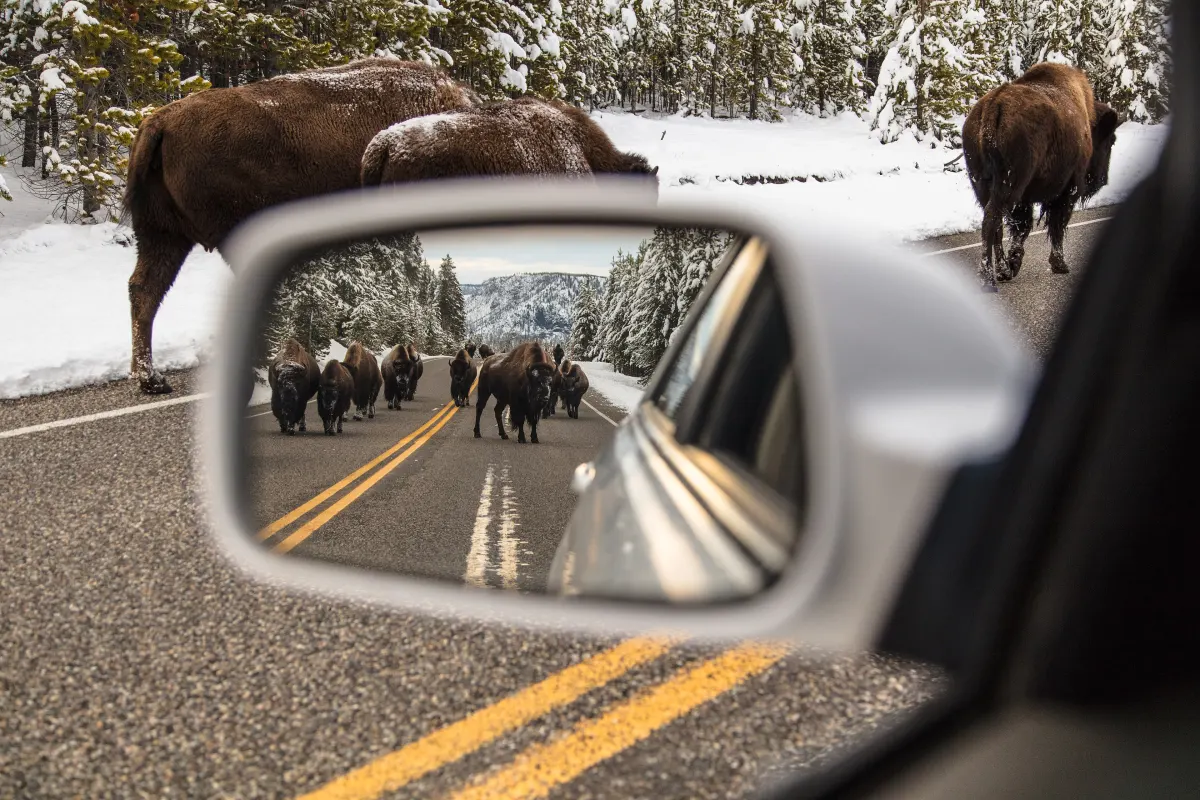
- In the parks, stay at least 25 yards (23 m) from bison, elk, deer and other animals, and 100 yards (91 m) from bears and wolves. (In Alaska's Denali it's 300 yards from bears.) Bison in Yellowstone injure visitors every year, mostly people taking photos.
- Bears: make a noise, hike in a group, and in grizzly country (Yellowstone, Grand Teton, Glacier, Alaska) carry bear spray where you can reach it. You can't take it on a plane. Never run. Lock all food, and anything that smells, in bear boxes, not in the car or tent.
- Mountain lions are rarely seen: look big, shout, and back away.
- Snakes, scorpions and spiders: watch where you put your hands and feet, above all in the deserts. For a rattlesnake bite, call 911, stay still, and don't cut or suck it.
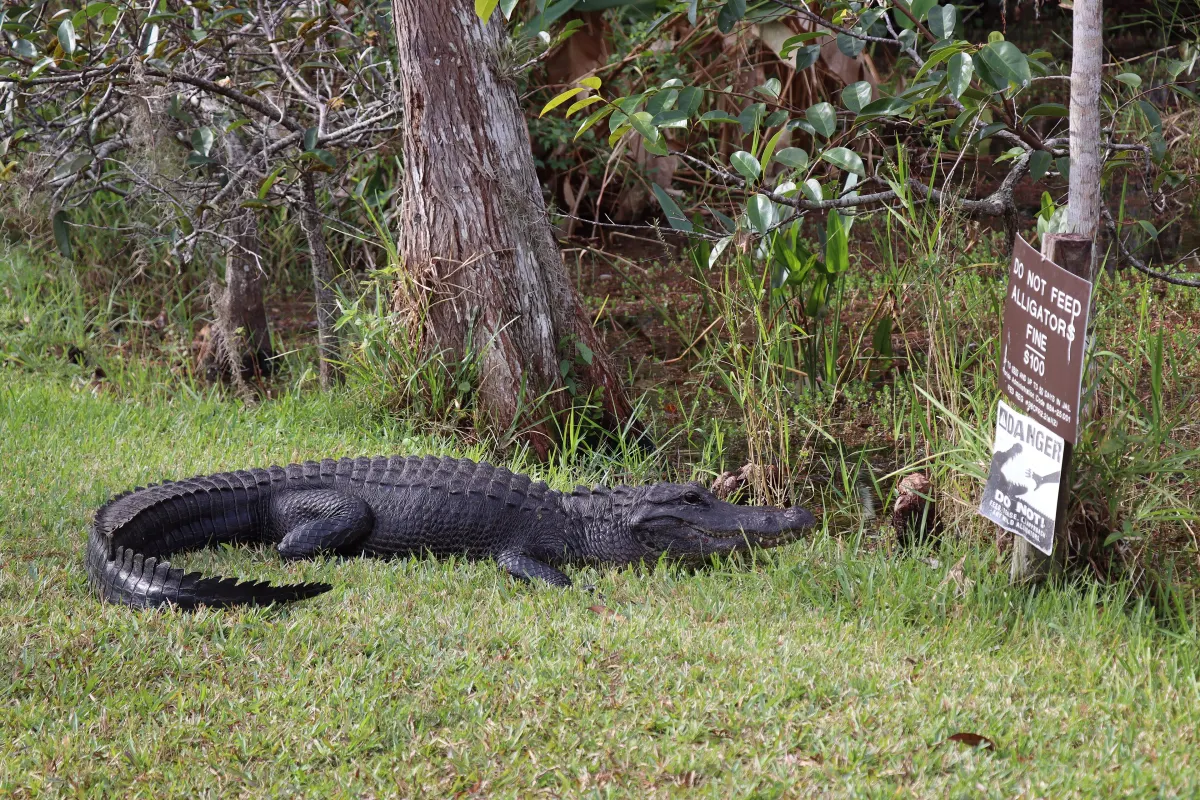
- Alligators live in fresh water all over Florida and in much of the South-East. Keep away from the edge of lakes and canals, especially at dusk and with small children or dogs, and never feed them.
- Feeding any wild animal is dangerous for you and for it, and illegal in the parks.

Yellowstone National Park
The world's first national park, founded in 1872, on a volcanic plateau with more than half of the world's geysers, including Old Faithful, which eru…

Denali National Park, Alaska
A vast wilderness around Denali, the highest mountain in North America at 6,190 m.

Everglades National Park
The largest subtropical wilderness in the USA, a vast 'river of grass' of sawgrass marshes, mangroves and cypress swamps, home to alligators, manatee…
Water, heat and flash floods
- Rip currents kill about 100 people a year. Swim where there are lifeguards, look at the flags (red means danger, double red means the water is closed), and if you're caught, float, then swim along the shore.
- Mountain rivers and waterfalls are cold, fast and slippery. Keep behind the railings. On the Pacific coast, "sneaker" waves knock people off beaches and rocks.
- Flash floods come down dry canyons from storms you can't see. Never enter a slot canyon if storms are forecast, mostly from July to September in the south-west.
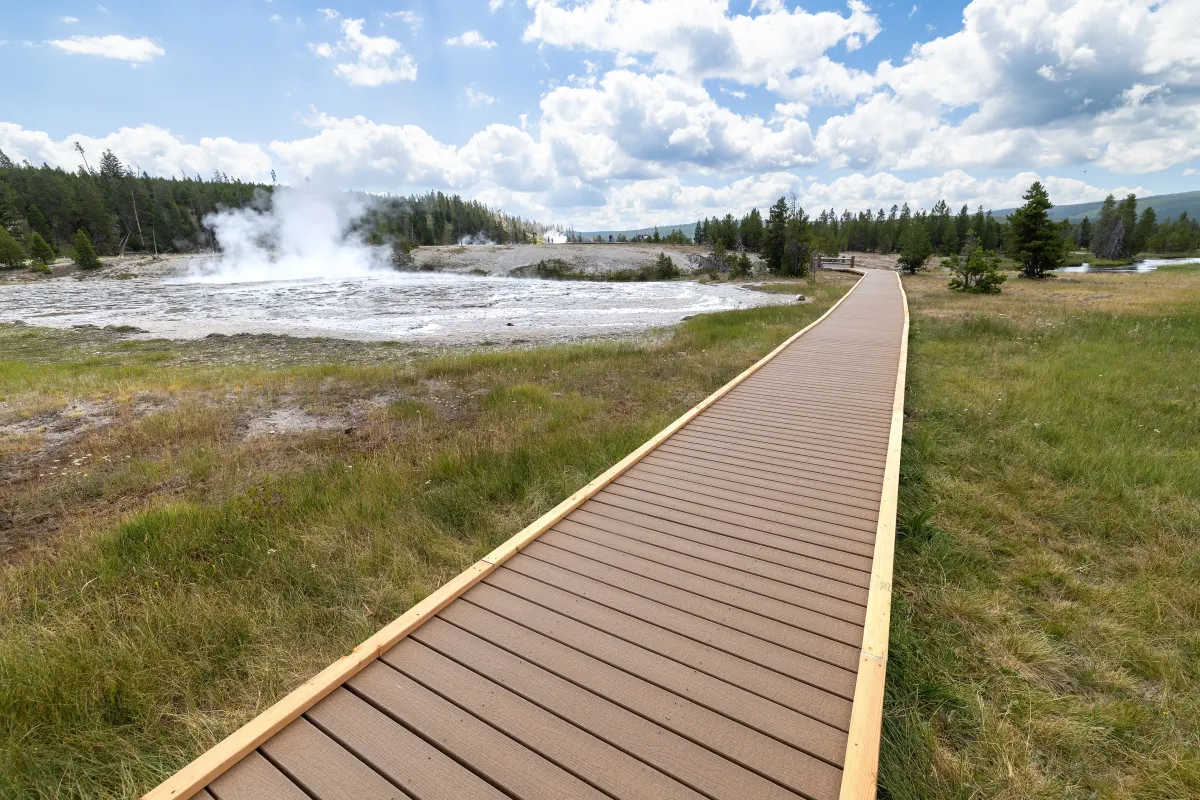
- In hot springs areas, stay on the boardwalks: the ground is thin and the water boils.
- For heat, see National parks, and for storms, fires and earthquakes, see Weather and natural hazards.

Comments
No comments yet.