
Weather and seasons in the USA: when to go, hurricanes, tornadoes, wildfires, snow and earthquakes
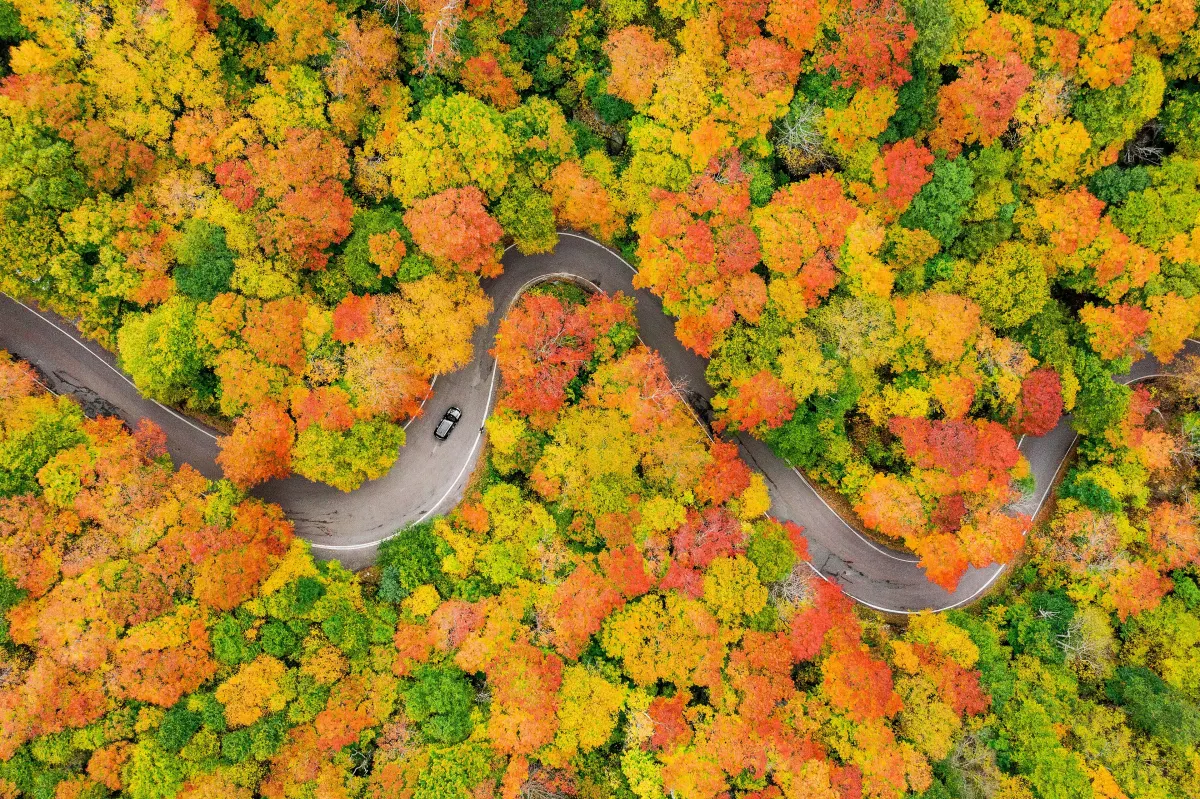
The USA has nearly every climate there is, from tropical Florida and Hawaii to the Arctic. Late spring and early autumn suit most of the country. Summer is best for the high mountains, the north and Alaska, and winter for Florida, the southern deserts and skiing.
When to go where
- New York, Boston and the north-east: May, June, September and October are best. July and August are hot and humid, and winters are cold, with some snow. The autumn leaves of New England are at their best from late September in the north to late October in the south.
- Washington and the mid-Atlantic: April, with cherry blossom usually around the end of March or early April, May, and September to October. Summers are sticky.
- Florida: December to April is dry, sunny and busy. June to October is hot, with storms most afternoons, and hurricanes are possible.
- The South and New Orleans: March to May, and October and November. Mardi Gras is in February or early March.
- Chicago and the Midwest: May to October. Winters are bitterly cold.
- The Rockies and Yellowstone: mid-June to September. Many high roads open only in late May or June, and snow can fall in any month. The ski season is from about December to early April.
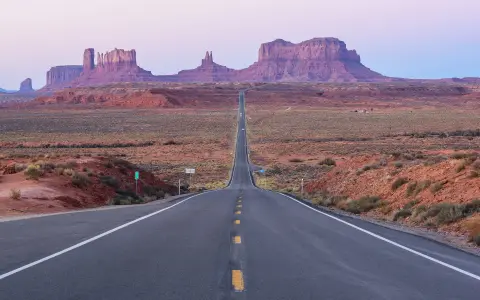
- The south-western deserts and canyons: March to May, and late September to early November. Summer is over 40°C in Death Valley, Las Vegas and Phoenix, with thunderstorms from July to September. The rims of the Grand Canyon and Bryce Canyon are high, and have snow in winter.
- California's coast: good all year, with most rain from November to March. San Francisco is cool and foggy in summer, and warmest in September and October. Southern California often has grey mornings in May and June.
- The Pacific Northwest: July to September is dry and lovely. It's mild and wet from October to May.
- Alaska: June to August for wildlife and long days, and late August to April for the northern lights.
- Hawaii: warm all year, with a little more rain from November to March, when humpback whales are there too.
Busy times and holidays
- Roads, flights and parks are fullest from Memorial Day (the last Monday in May) to Labor Day (the first Monday in September), around 4 July, and from Christmas to New Year. March brings spring break to Florida and the desert parks.
- Thanksgiving (the fourth Thursday in November) is the busiest travel week of the year. Much is closed on the day itself, as on Christmas Day.
- Los Angeles hosts the Olympic Games from 14 to 30 July 2028.
Watches and warnings
A watch means that dangerous weather is possible. A warning means it's happening or about to: act now. Alerts come to your phone, and the National Weather Service forecasts for every place are at weather.gov. El Niño was strengthening in late 2026 and was expected to last into 2027, which tends to bring more winter rain and storms to California and the southern states.
Hurricanes
- The Atlantic season is from 1 June to 30 November, with most storms from August to October, and affects the Gulf coast, Florida and the whole east coast. Hawaii's is from June to November too.
- Buy insurance before a storm is named: later is too late. Book rooms and flights you can change.
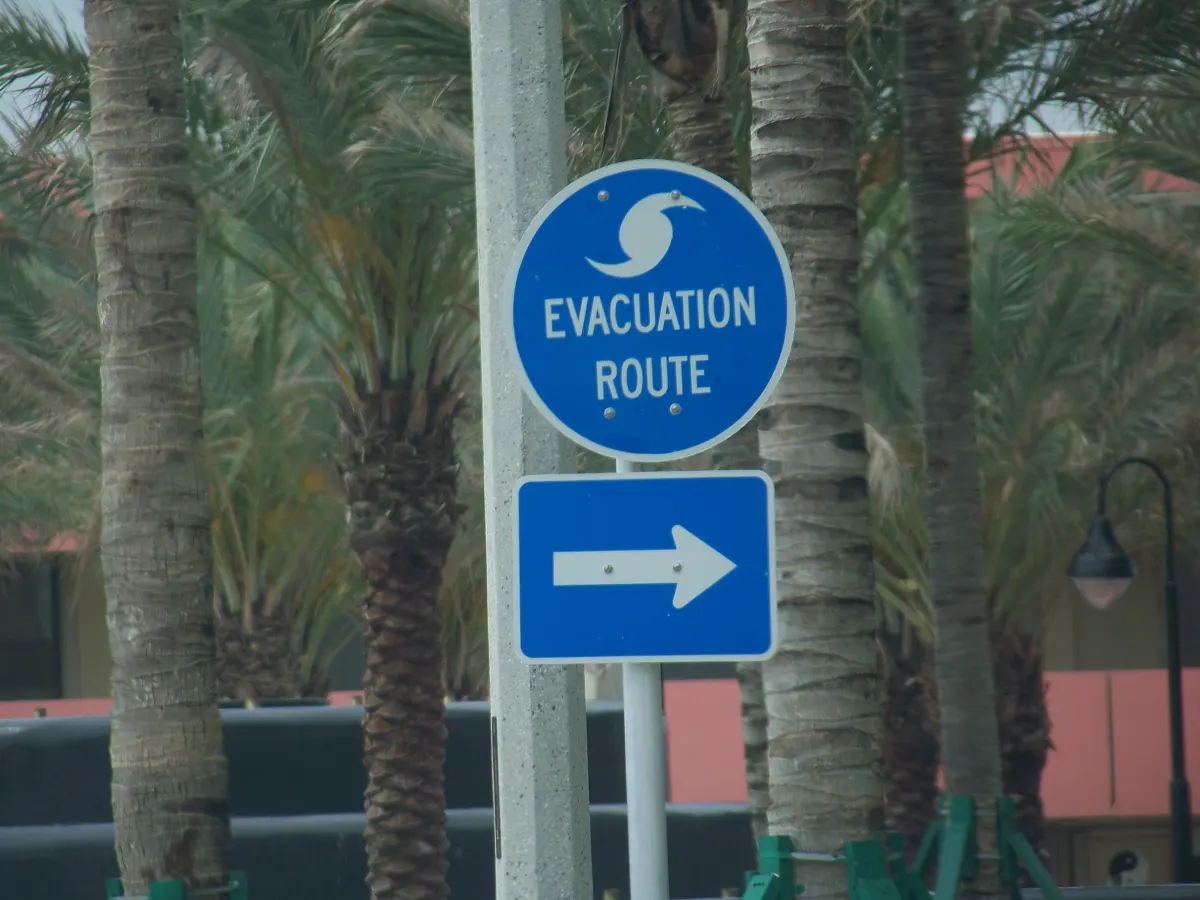
- Follow the National Hurricane Center. If there's an evacuation order, leave at once. The water does more harm than the wind.
Tornadoes and thunderstorms
- Tornadoes can happen almost anywhere, but mostly in the Plains, the Midwest and the South from March to June, and in the South in late autumn as well.
- In a tornado warning, go to a basement, or an inside room without windows on the lowest floor, and cover your head. Don't shelter under a bridge. If you're in a car and can't reach a building, stay belted with your head down, or lie in a ditch.
- Lightning is a danger on mountains and beaches: be off high ground by midday in summer, and go inside when you hear thunder.
Wildfires and smoke
- The worst fires in the West are from about June to October, and into the winter in southern California. They can close parks and roads for weeks, and smoke can spread across the country. In July 2025 a fire destroyed the lodge on the Grand Canyon's North Rim.
- Check AirNow for smoke, and InciWeb and the CAL FIRE website for fires. Obey evacuation orders and fire bans, and never throw out a cigarette. After fires, heavy rain brings mudslides.
Heat, snow and floods
- Heat kills more people than any other weather. Stay inside in the afternoon, drink, and never leave a child or pet in a car.
- Winter storms shut airports and roads from the Rockies to the north-east, usually for a day or two. Keep warm clothes, water and a charged phone in the car.
- Flash floods: "turn around, don't drown". Half a metre of moving water can carry away a car.
Earthquakes, tsunamis and volcanoes
- California, the Pacific Northwest, Alaska and Hawaii have earthquakes. Drop, cover and hold on. On the coast, if the shaking is strong or long, go to high ground without waiting for a warning.
- Kīlauea, in Hawaiʻi Volcanoes National Park, erupts often, and it's safe to watch from the open viewpoints. Volcanic gas (vog) can affect people with asthma.
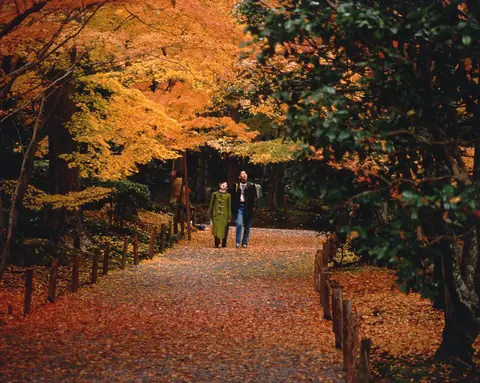
Fall foliage in New England
Maples turn red and gold from late September to mid-October.

Hawaiʻi Volcanoes National Park
Two of the world's most active volcanoes, Kīlauea and Mauna Loa, on the Big Island of Hawaiʻi.
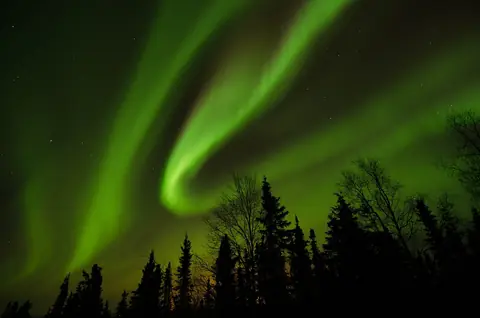
Northern lights in Fairbanks
Fairbanks sits under the auroral oval, the ring around the North Pole where the northern lights are seen most often, so on a clear, dark night there …

Comments
No comments yet.