
Getting around the USA: flights, Amtrak, buses and city transport
The USA is as wide as Europe from Lisbon to the Urals, and outside a few cities it's built for cars. Most visitors fly between regions and hire a car for the countryside. The exception is the north-east, where trains between Boston, New York, Philadelphia and Washington are faster and easier than flying.
Flying
- American, Delta, United, Southwest and Alaska (which now owns Hawaiian) are the big airlines, with JetBlue, Frontier, Allegiant and others. Spirit stopped flying in May 2026, so ignore old advice about it.
- New York to Los Angeles takes about 6 hours, Chicago to Denver 2½, and Los Angeles to Honolulu nearly 6.
- The cheapest fares often don't include a seat choice, changes or even a full-size cabin bag. Most airlines charge for each checked bag.
- If your flight is cancelled or badly delayed (three hours or more within the country) and you don't travel, you're entitled to a refund. There's no general right to compensation, so check your insurance.
- Delays are worst in summer thunderstorms, winter storms and around Thanksgiving and Christmas. Take an early flight and leave at least 90 minutes to change. In the government shutdowns of 2025 and 2026, security queues grew and flights were cut, so watch the news.
- Visitors show their passport at security. The "REAL ID" rule is about American driving licences.
- Liquids in cabin bags must be in containers of up to 100 ml (3.4 oz) in one clear bag. Most people no longer have to take off their shoes.
Amtrak
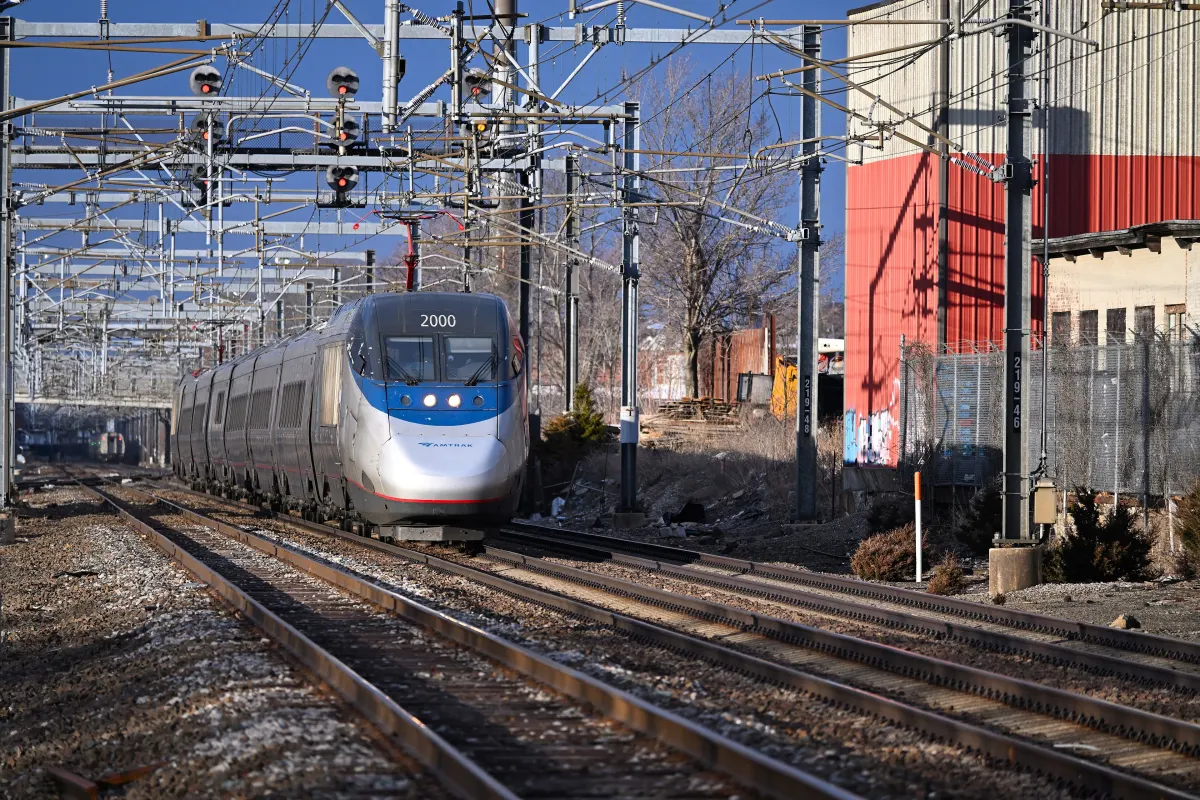
- The Northeast Corridor is the USA's best railway. The fastest Acela trains, with new trains since 2025, take about 2 hours 55 minutes from New York to Washington and 3 hours 40 from New York to Boston. Northeast Regional trains take 30 to 60 minutes longer and are much cheaper. See The north-east by train.
- Other good routes with several trains a day: Los Angeles to San Diego and Santa Barbara (the Pacific Surfliner), Chicago to Milwaukee, Seattle to Portland and Vancouver (the Cascades), and the San Francisco Bay Area to Sacramento.
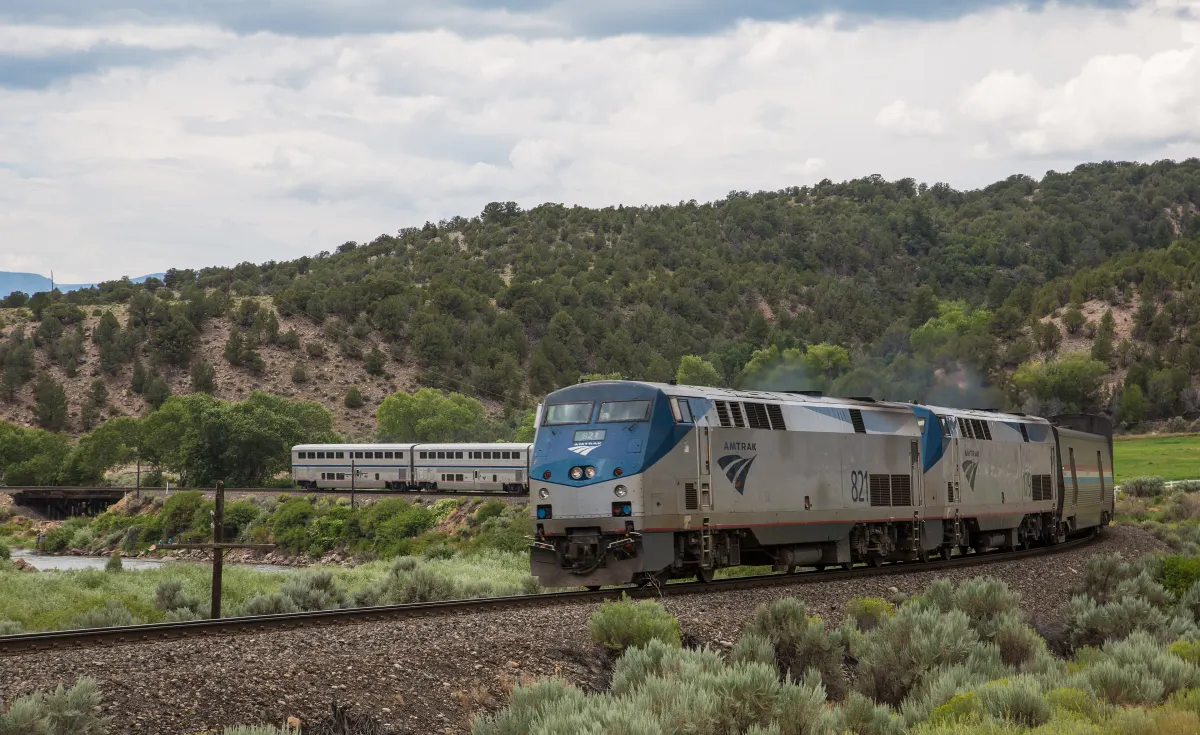
- The long-distance trains usually run once a day, and are a journey in themselves: the California Zephyr from Chicago to the Bay Area through the Rockies (about 52 hours), the Empire Builder from Chicago to Seattle or Portland past Glacier National Park, the Coast Starlight from Seattle to Los Angeles (about 35 hours), and the Southwest Chief, the Crescent and the Sunset Limited. They can be hours late, because freight trains share the tracks. Seats are wide and recline, and sleeping cabins include meals but cost far more.
- Fares rise as trains fill, so book weeks ahead. Show your passport if asked.
- The USA Rail Pass costs US$499 for 10 rides in 30 days, and is sometimes on sale. Each train you board counts as a ride, and you have to reserve every one, so book early. It isn't valid on the Acela.
Brightline
A private railway, Brightline, runs fast, comfortable trains between Miami, Fort Lauderdale, West Palm Beach and Orlando airport, about 3½ hours from end to end. Some of its parent companies went into bankruptcy protection in September 2026, but the trains kept running. See Florida in 10 days.
Long-distance buses
- Greyhound and FlixBus (the same company) reach thousands of towns, and smaller companies compete between the north-eastern cities. They're cheap and slow, and many stops are on a street corner rather than in a station. Check the address, and avoid waiting alone late at night.
- Book online ahead: it's much cheaper.
City transport
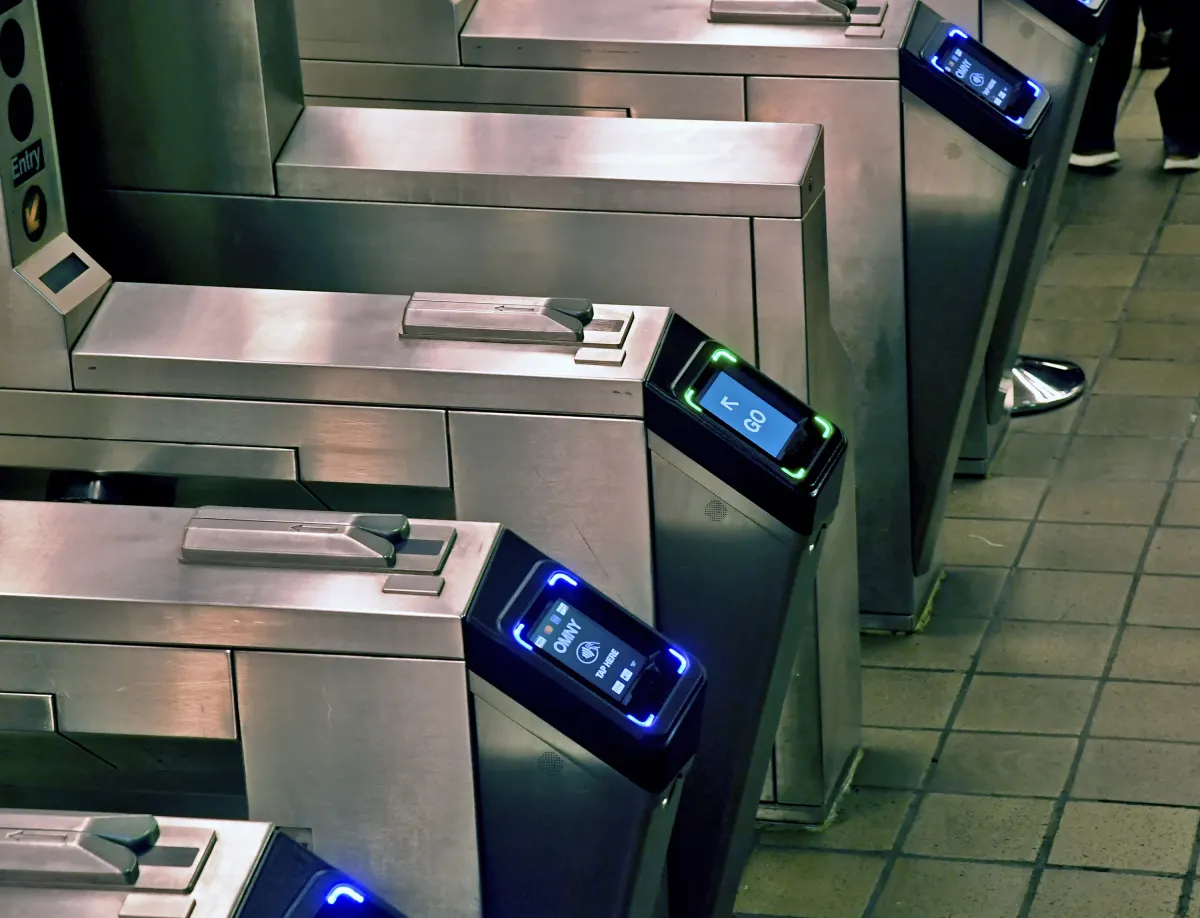
New York, Washington, Chicago, Boston, Philadelphia and San Francisco can all be explored without a car, and parts of Seattle, Portland and Los Angeles too. In more and more cities you just tap a contactless bank card or phone:
- New York: tap on the subway and buses (OMNY). A ride is US$3, and you pay no more than US$35 in seven days if you always use the same card. The old MetroCard has gone. The subway runs all night.
- Washington: tap at the Metro gates, or use a SmarTrip card.
- San Francisco Bay Area: tap on BART and the other Clipper operators. The cable cars have their own, higher fare.
- Los Angeles, Seattle, Philadelphia, Boston, Chicago and Miami also take contactless payments on all or most of their trains and buses.
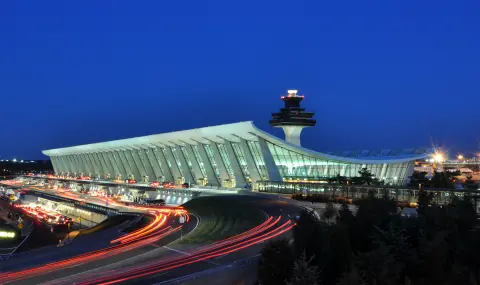
- Airport trains run from the centre to, among others, New York's JFK and Newark (with a change), Washington's Reagan and Dulles, Chicago's O'Hare and Midway, San Francisco, Atlanta, Philadelphia, Boston (Silver Line bus), Denver, Seattle, Portland and Miami.
Taxis, ride apps and robotaxis
- Uber and Lyft work almost everywhere. Check the number plate and the driver's name, and follow the airport's signs to the pick-up point. Tip in the app.
- Driverless Waymo taxis carry the public in Phoenix, San Francisco, Los Angeles, Austin, Atlanta, Miami and a growing number of other cities, through Waymo's app, or Uber or Lyft in some of them.
- Yellow cabs are easy to hail in New York. Elsewhere you usually have to call or use an app.
Walking and cycling
City centres are walkable, but suburbs often have no pavements, and a place that looks close on the map might be across a motorway. Many cities have bike share, such as Citi Bike in New York and Capital Bikeshare in Washington.
See also Driving and road trips and Accessibility and families.
Comments
No comments yet.