
Arriving in the USA: ESTA, visas, the border interview, device searches and customs
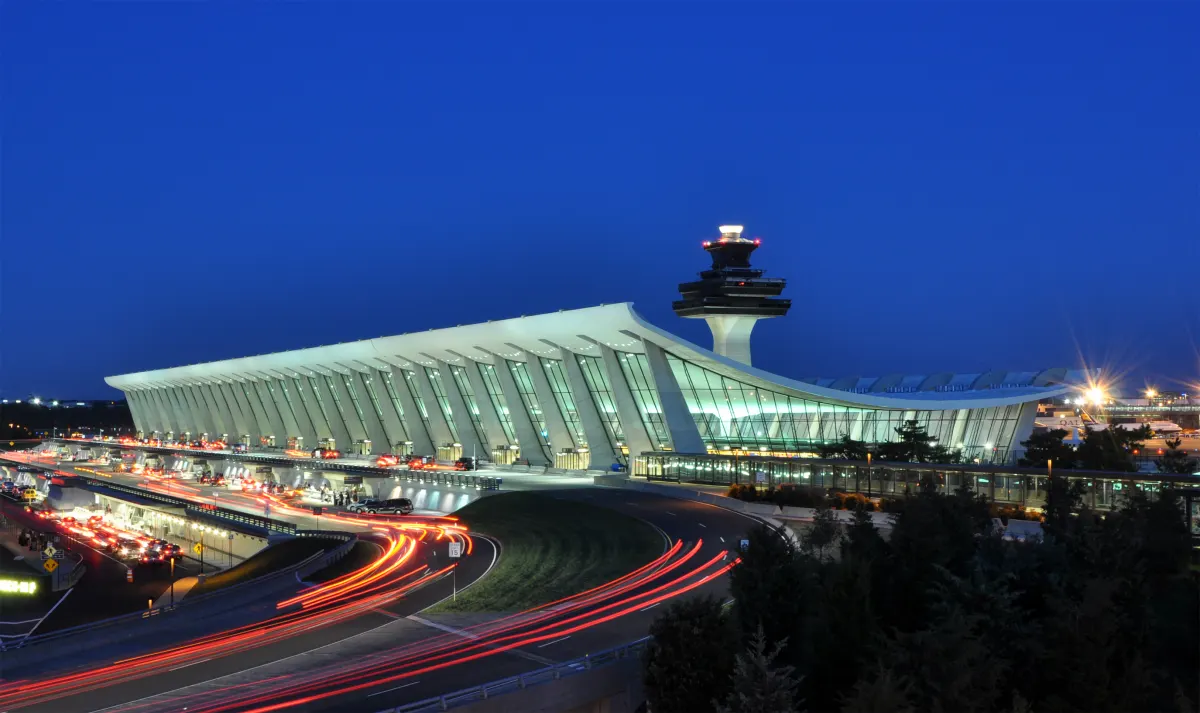
Almost everyone needs an ESTA or a visa before travelling to the USA, even just to change planes. Rules and fees have changed several times since 2025, and officers enforce them strictly, so check the official websites shortly before you go. Most visitors answer a few questions at the border and are through in minutes.
ESTA or visa?
- Visa Waiver Program: citizens of around 40 countries, including the UK, Ireland, most EU countries, Australia, New Zealand, Japan, South Korea, Singapore and Israel, can visit for up to 90 days with an ESTA. You need an e-passport (with a chip).
- Canadians don't need an ESTA or a visa for most visits, usually for up to six months.
- Everyone else needs a visitor visa (B-1/B-2).
- You can't extend a stay on an ESTA, and a short trip to Canada or Mexico normally doesn't restart the 90 days.
- You can't use an ESTA, and need a visa, if you've been in Iran, Iraq, Libya, North Korea, Somalia, Sudan, Syria or Yemen since March 2011, or in Cuba since 12 January 2021 (with a few exceptions). An arrest, a criminal record, a past refusal or an overstay can also rule it out.
Applying for an ESTA
- Apply only on the official ESTA website or with the official ESTA Mobile app. The fee has been US$40.62 since 16 October 2026. Other websites charge extra for filling in the same form.
- Apply at least 72 hours before you travel, and better, before you book. It usually lasts two years, or until your passport expires, for several trips.
- You need a selfie as well as a scan of your passport. If your existing ESTA has no photo, you might need a new one, so check it on the website.
- In December 2025 the government proposed making five years of social media accounts compulsory and moving applications to the app. When we checked in November 2026, we found no sign that this was in force, and the social media question was still optional. Check the form.
- You also need an ESTA to arrive by land from Canada or Mexico, where there's a US$30 fee for the I-94 entry record as well.
Visas, bonds and the travel ban
- The standard visitor visa fee is US$185. Most applicants need an interview, normally in the country they're a citizen of or live in, and waits can be months long. The form asks for your social media accounts from the past five years.
- A law of 2025 added a US$250 visa integrity fee. Reports disagree on whether it's being collected, so check with the embassy.
- Citizens of about 50 countries, mostly in Africa, may have to pay a refundable bond of US$10,000 to US$20,000 to get a visitor visa.
- A travel ban in force since January 2026 stops or limits visas for citizens of 39 countries. Check the list on travel.state.gov if you think it could affect you. It doesn't apply to dual nationals who travel on another country's passport.
Before you fly
- Your passport must be valid for your whole stay, and for some nationalities for six months longer.
- Ebola form: since 3 November 2026, everyone flying to the USA, including US citizens and transit passengers, has had to sign a form saying whether they've been in the Democratic Republic of the Congo in the last 21 days. Your airline tells you how. There are also temporary bans on people who've recently been in the DRC, and on most foreigners who've been in Uganda or South Sudan.
- Give the airline the address of your first night.
- Anyone under 18 travelling with one parent or with other adults should carry a signed, preferably notarised, letter of consent.
- The FCDO suggests that travellers whose passport doesn't show their sex at birth contact the US embassy before travelling.
At the border
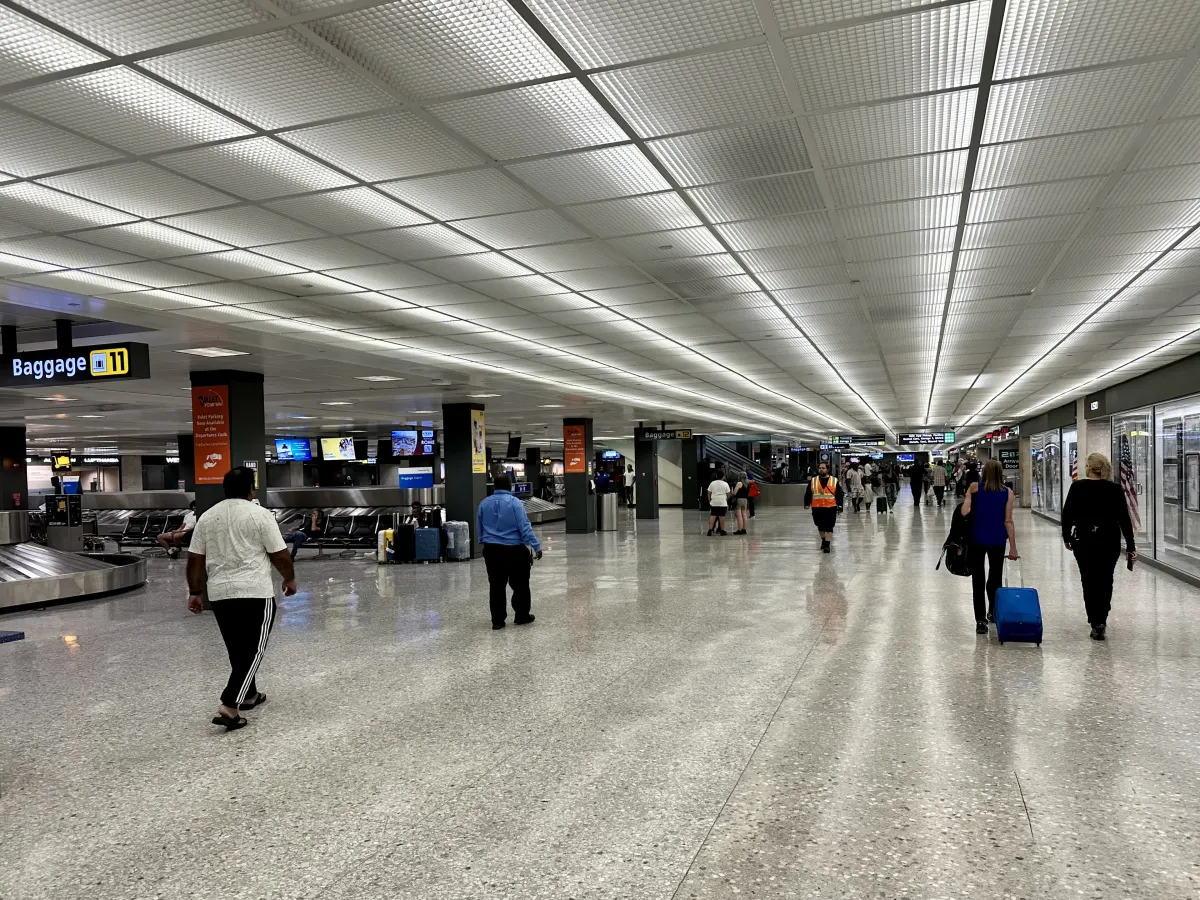
- Queues vary from minutes to two hours. An officer from Customs and Border Protection (CBP) checks your passport, photographs you and usually takes fingerprints. Since December 2025 almost all foreign visitors, including Canadians, can be photographed on leaving as well.
- Expect to be asked why you've come, how long you're staying, where, what you do at home, and how you'll pay. Answer truthfully and briefly. Have your return ticket and bookings handy.
- Don't work, even unpaid or in exchange for a room. Travellers planning house-sitting or volunteering for board have been sent home.
- An ESTA or visa doesn't guarantee entry. If an officer has doubts, you're taken to another room (secondary inspection). About 3% of travellers are, and most are then let in. If you're refused, you can be detained until a flight home.
- The free Mobile Passport Control app can shorten the queue for US and Canadian citizens and for visitors who've been before on an ESTA. Global Entry is open to some other nationalities.
- Look up your electronic entry record (I-94) at i94.cbp.dhs.gov, and leave by the date on it. Foreigners staying more than 30 days must be registered with the government: an I-94 normally counts, but Canadians who arrive by land might not have one.
Phones and laptops
- Officers can search any device at the border, without a warrant and without giving a reason. They can look through it by hand; connecting it to equipment to copy it needs a reason and a manager's approval.
- In the year to September 2026 CBP searched the devices of 72,456 people: fewer than 1 in 5,000 travellers, but about 30% more than the year before.
- If you don't unlock a device, it can be kept, and a visitor can be refused entry.
- Put your phone in flight mode before inspection, as searches should cover only what's stored on it. Don't carry confidential work data you don't need. Don't wipe a phone on the plane, which can look suspicious, and don't lie.
What you can't bring in
- Food: declare all of it. Fresh fruit and vegetables, meat and meat products, plants, seeds and soil are mostly banned or restricted. If you declare something that isn't allowed, you just hand it over. If you don't, you can be fined. That includes the apple from the plane.
- Cannabis in any form, even if it's legal where you're going. Admitting to past use can be enough for refusal.
- Medicines: bring only what you need (up to 90 days' worth), in the original packaging, with the prescription. Some medicines sold freely elsewhere are controlled or banned.
- Alcohol and tobacco: if you're 21 or over, 1 litre of alcohol and 200 cigarettes. Visitors can also bring US$100 of gifts.
- Cash: you can bring any amount, but must declare more than US$10,000.
Changing planes
- There's no airside transit. Even on the way to another country you need an ESTA or visa, go through passport control, and usually collect your bags and check them in again. Allow at least three hours.
- From some airports, including Dublin, Shannon, Abu Dhabi, the big Canadian airports and a few in the Caribbean, you go through US immigration before you fly and arrive as a domestic passenger.
See also Health care, insurance and phones, State laws and Getting around.




Comments
No comments yet.