
Accessibility and family travel in the USA: disabled access, children, car seats and theme parks
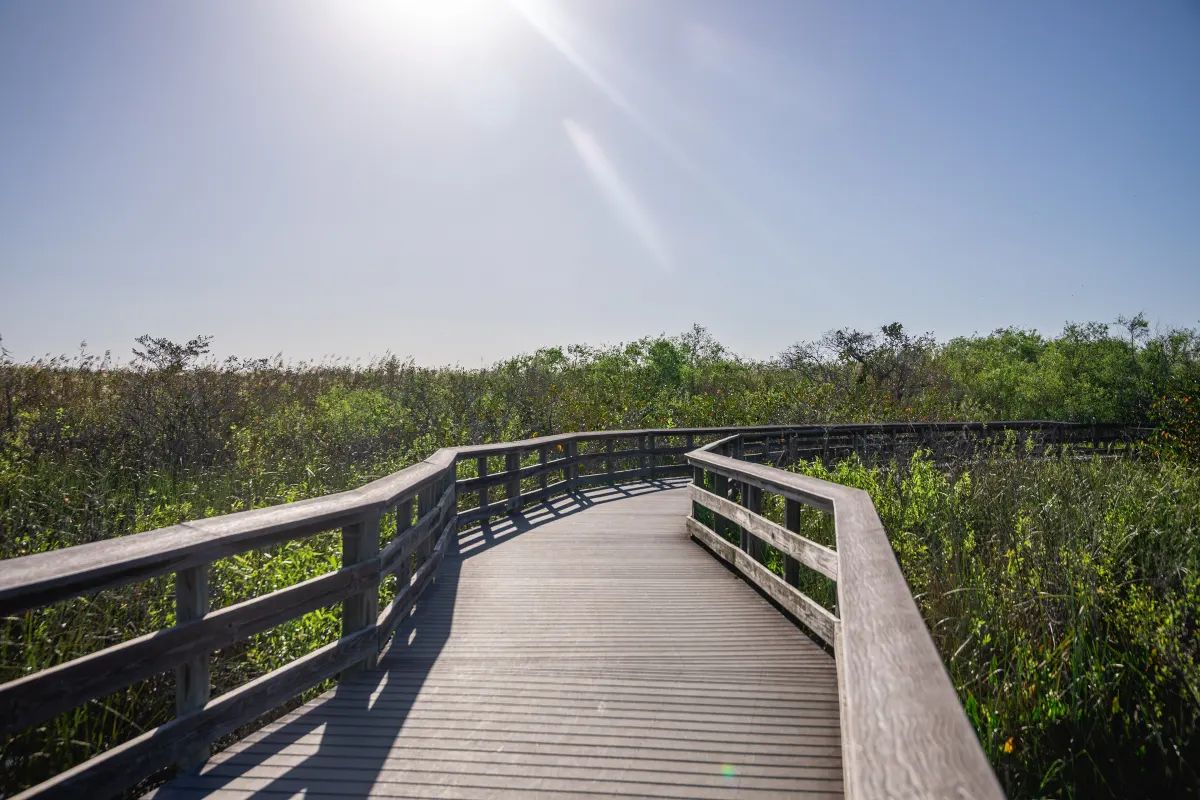
The USA is one of the easiest countries for wheelchair users, thanks to the Americans with Disabilities Act (the ADA) of 1990, and one of the most welcoming for children. Distances, heat and queues are the things to plan for.
Getting around with a disability
- Public buildings, shops, restaurants, museums and hotels have to be accessible, with ramps, lifts and toilets, unless they're historic or very small. Kerb ramps are normal in cities. New York's sidewalks and San Francisco's hills are harder.
- Hotels must have accessible rooms, with roll-in showers in the larger ones. Book directly, describe what you need, and ask them to hold that room.
- Flights: the Air Carrier Access Act gives you the right to help at the airport and to take a wheelchair free, and it shouldn't count as baggage. Tell the airline 48 hours ahead. The TSA Cares line, (855) 787-2227, arranges help with security 72 hours before. Many airports recognise the sunflower lanyard.
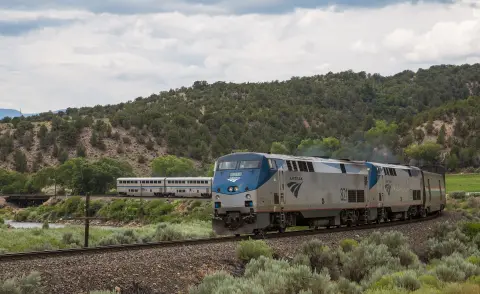
- City transport: buses almost everywhere have ramps. Washington's Metro, San Francisco's BART and the newer systems have lifts in every station, but in New York only about a third of subway stations do, in Boston most, and in Chicago about two-thirds. Amtrak carries wheelchairs on its trains: reserve the space.
- Hire cars with hand controls need booking several days ahead, and specialist companies hire out vans with ramps. A foreign disabled parking badge isn't valid everywhere: bring it, but ask the state's motor vehicle office about a temporary permit.
- Service animals are dogs (and sometimes miniature horses) trained to do a task. They can go anywhere the public goes, and no papers can be asked for. Emotional support animals don't count. Dogs arriving from abroad need a CDC form.
- National parks have accessible trails and viewpoints, and some lend wheelchairs. The free Access Pass is only for US citizens and residents. Museums lend wheelchairs, and many have tours for blind and deaf visitors. Deaf people use American Sign Language, which isn't like British or Australian sign languages.
Travelling with children
- Nearly all restaurants welcome children, with high chairs, kids' menus and crayons. Baby-changing tables are common in both men's and women's toilets. Breastfeeding in public is legal in every state.
- Hotels often let children stay free in their parents' room, with two queen beds, and many have a pool and breakfast. Motels with a kitchenette are good value.
- Car seats are the law everywhere: usually rear-facing until at least 1 or 2, then a forward-facing seat, then a booster until about 8, or 145 cm (4 ft 9 in). Hire one with the car or bring your own, as foreign seats might not meet the American standard. Taxis in many cities are exempt, but a seat is safer, and Uber has cars with seats in only a few places.
- On a plane, children under two can sit on your lap. Formula, breast milk and baby food can be over 100 ml: tell the security officer.
- Children don't pay the US$100 fee or entrance fees in the national parks if they're under 16, and can earn a Junior Ranger badge at most of them.
- Carry a letter of consent if only one parent is travelling: see Arriving.
- American law expects children to be supervised. Leaving a young one alone in a car or hotel room can bring the police.
Theme parks
- Buy tickets online and in advance from the park or a known seller: there's no discount at the gate, and prices depend on the date. Multi-day tickets cost far less a day.
- Go on weekdays outside school holidays, arrive before opening, and use the park's app for queues, food and paid skip-the-line passes.
- Bring a refillable bottle: there are water fountains all round the parks, and restaurants give free iced water. You can take snacks into Disney's and Universal's parks.
- Check height limits, and ask about "rider switch", so that parents can take turns without queueing again.
- Visitors who can't wait in an ordinary queue because of a developmental disability or similar can apply for Disney's Disability Access Service by video before the visit. Universal has its own scheme.
- The big ones: Walt Disney World and Universal Orlando (with Epic Universe, opened in 2025) in Florida, and Disneyland and Universal Studios Hollywood in California.

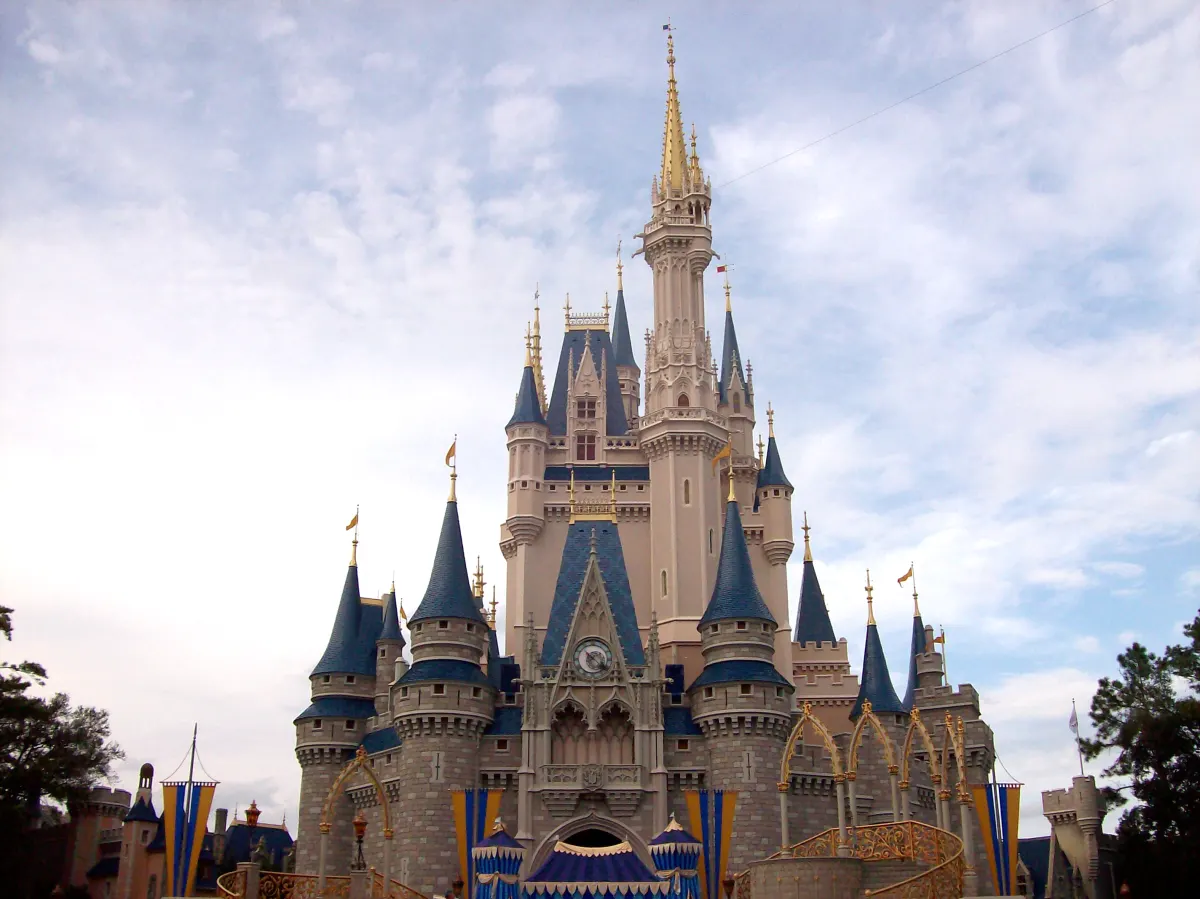
Walt Disney World, Orlando
The world's most visited holiday resort, with four theme parks: the Magic Kingdom with Cinderella Castle, EPCOT, Hollywood Studios and Animal Kingdom…
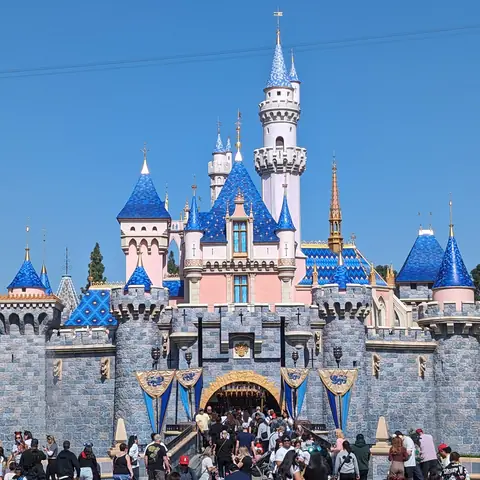
Disneyland Resort
Walt Disney's original 1955 park plus Disney California Adventure.

Universal Studios Hollywood
Film-based rides and the studio backlot tram tour of real working sets.
Great places for families
- Museums: the American Museum of Natural History and the Intrepid in New York, the Air and Space Museum in Washington (free, but book timed passes), the Children's Museum of Indianapolis, the City Museum in St Louis, the Exploratorium in San Francisco, the Griffin Museum of Science and Industry in Chicago, and Space Center Houston.
- Space: the Kennedy Space Center and, in Alabama, the U.S. Space & Rocket Center.
- Outdoors: Yellowstone's geysers, the Great Sand Dunes, the giant trees of Sequoia, and the tide pools of Acadia.
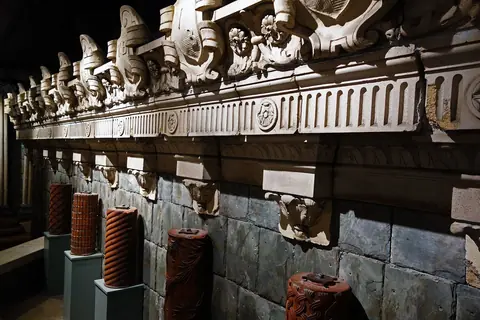
City Museum, St Louis
A giant playground of found objects, part museum, part funhouse, in a former shoe factory in downtown St Louis, created by the artist Bob Cassilly fr…
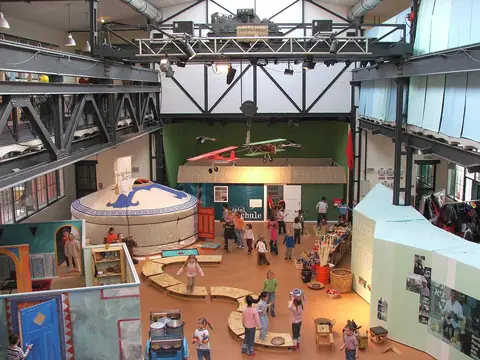
The Children's Museum of Indianapolis
The largest children's museum in the world, in Indianapolis, with five floors of hands-on exhibits, and a delight for families.

Kennedy Space Center
NASA's launch site on Florida's Atlantic coast, with the Space Shuttle Atlantis, a Saturn V moon rocket, and bus tours of the launch pads.


Comments
No comments yet.