
Visiting US national parks: the $100 fee for foreign visitors, passes, reservations, heat and altitude
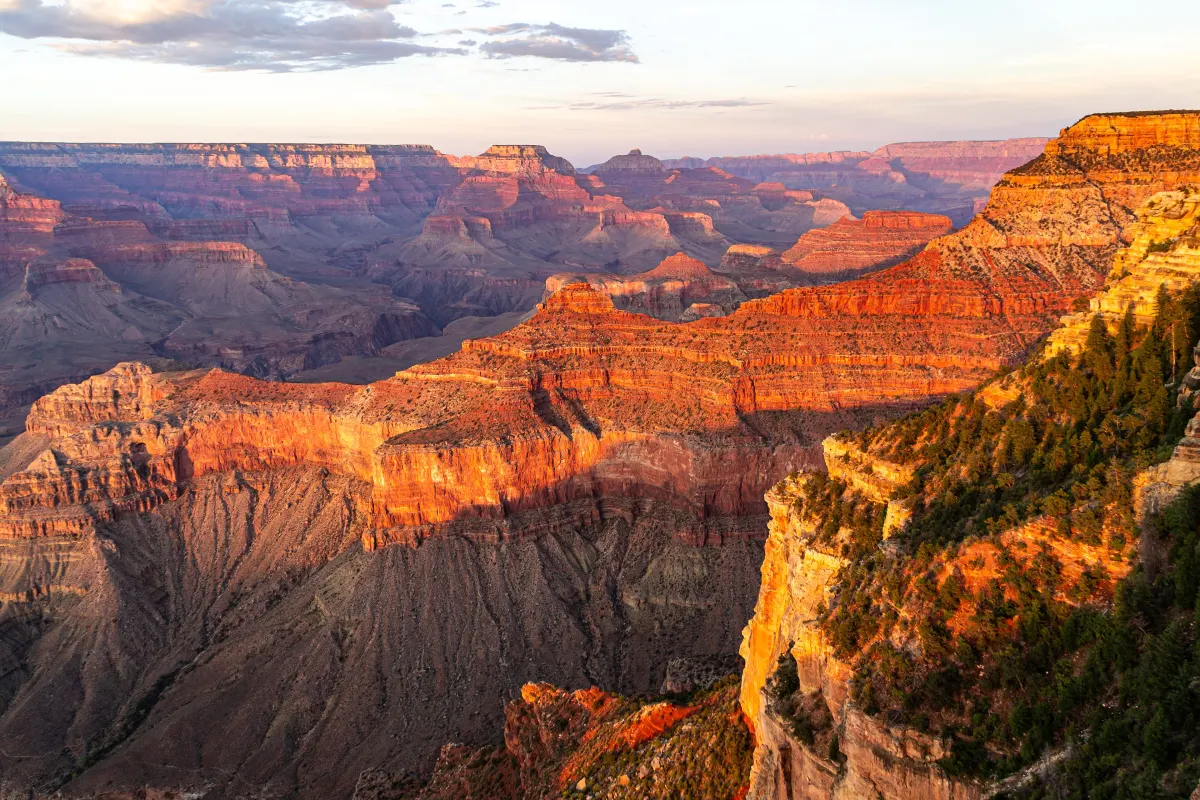
The USA has 63 national parks, and more than 370 monuments, historic sites and seashores run by the same service. Since January 2026 foreign visitors pay much more than Americans in the most popular parks, so it's worth working out which pass you need before you go.
Entrance fees
- Most big parks charge US$20 to US$35 a car for seven days, for everyone in it, or less per person on foot or by bike. Many smaller parks, the National Mall and most historic sites are free.
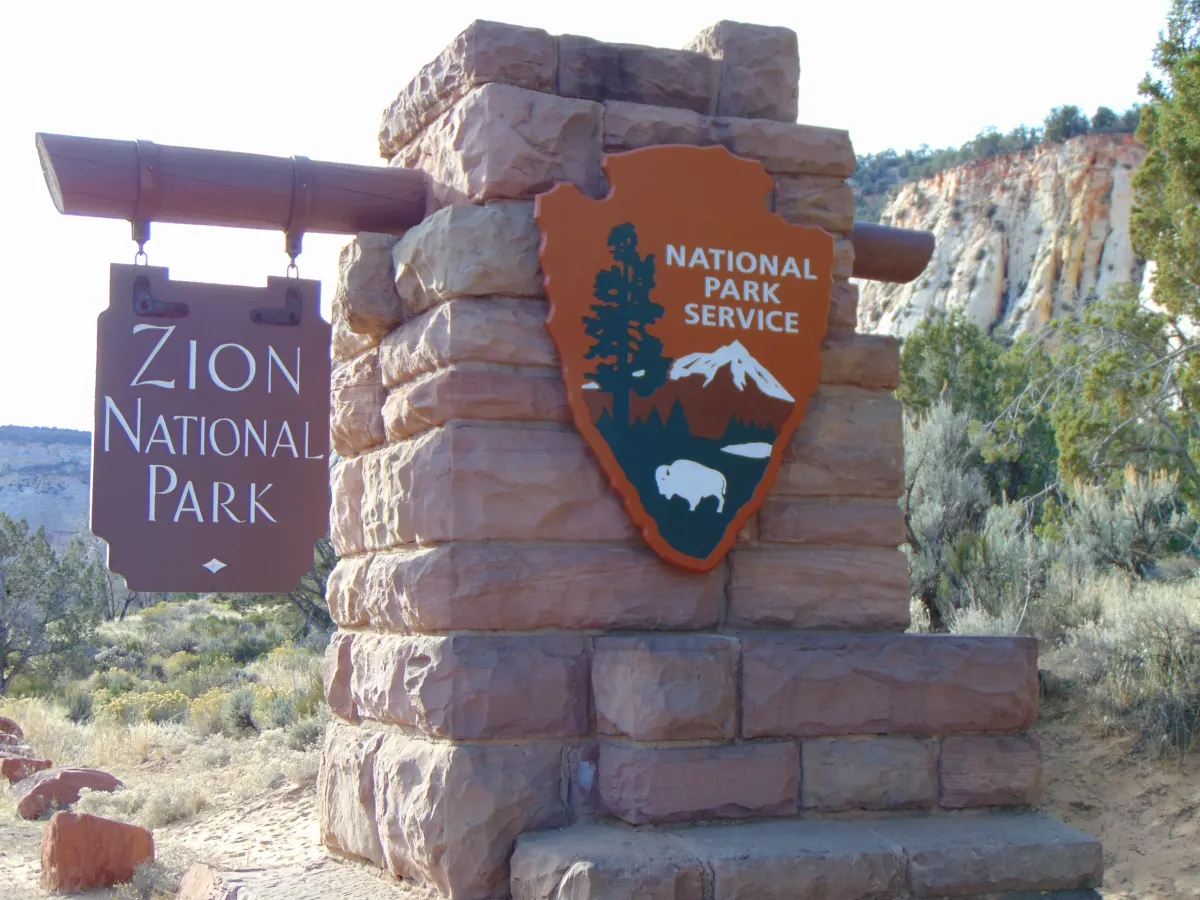
- At 11 parks, everyone aged 16 and over who doesn't live in the USA pays US$100 more each: Acadia, Bryce Canyon, Everglades, Glacier, Grand Canyon, Grand Teton, Rocky Mountain, Sequoia and Kings Canyon, Yellowstone, Yosemite and Zion. It applies on bus tours too.
- Two adults driving into Zion would pay US$35 + US$200 = US$235.
- Show your passport. Residents prove it with American ID, such as a driving licence or green card.
- Many parks take only cards. Fee-free days are now only for US citizens and residents.
The annual pass
- The America the Beautiful Non-Resident Annual Pass costs US$250 for a year. It covers entrance fees at all the national parks and other federal lands, and removes the US$100 charge.
- It covers the holder and the passengers in the same private car, or the holder and three other adults where fees are per person, including on tours. So one pass is enough for a couple or a family in one car, and pays for itself if two adults visit even two of the 11 parks.
- Buy it at a park entrance, or as a digital pass from Recreation.gov. Carry photo ID. It doesn't cover camping, tours, timed-entry fees, state parks, or parks run by Native American nations, such as Monument Valley and Antelope Canyon.
- The cheaper US$80 pass, the senior passes and the disability pass are only for US citizens and residents.
Reservations and permits
Fewer parks require a reservation to get in than a few years ago, but the rules change every year and the parks usually announce them in winter or spring. In 2026:
- Rocky Mountain: timed entry from late May to mid-October, in two kinds, with and without Bear Lake Road.
- Acadia: a reservation for the Cadillac Summit Road only.
- Yosemite, Glacier and Arches dropped theirs. Glacier limited parking at Logan Pass to three hours instead, with shuttles by ticket. Expect long queues and full car parks.
- Permits by lottery: Angels Landing in Zion, Half Dome in Yosemite, The Wave. Reservations for the sunrise at Haleakalā, parking at Muir Woods, and Hanauma Bay (not a national park).
- Book only on Recreation.gov or the site the park names. Popular slots go in minutes.
Wherever you go, arriving before 8 am or after 4 pm beats the crowds. Several parks, including Zion and the Grand Canyon, have free shuttles; for most of the year Zion Canyon can be seen only by shuttle.
Closures
- Check the Alerts on each park's page at nps.gov and again the day before.
- Grand Canyon: the North Rim's lodge burned down in 2025. The rim is open in season for day visits with few services, and is expected to reopen in mid-May 2027. Floods in August 2026 broke the canyon's water pipeline: the South Rim's hotels reopened on 20 November 2026, but Phantom Ranch, the North Kaibab Trail and both bridges over the river were still closed, with no drinking water below the rim.
- High roads, campsites and lodges close in winter, and wildfires, floods and government shutdowns can close parks at any time.
Staying in the parks
- Lodges inside the parks sell out up to a year ahead; look again for cancellations a few weeks before. Campsites mostly open for booking six months ahead on Recreation.gov.
- Otherwise, stay in the gateway town: Springdale (Zion), Moab (Arches and Canyonlands), Estes Park (Rocky Mountain), West Yellowstone and Gardiner, Tusayan (Grand Canyon).
- Bring food: supplies inside are limited and expensive. Fuel up outside.
Heat
- In Death Valley, the bottom of the Grand Canyon, Big Bend and the Utah parks, summer temperatures pass 40°C. People die every year, often fit hikers on popular trails.
- Hike at dawn, be off the trail from 10 am to 4 pm, carry at least 4 litres of water a person a day, and eat salty snacks. In the Grand Canyon, going down is optional and coming up isn't: don't try to walk to the river and back in a day.
- Headache, confusion, or not sweating in the heat are danger signs: shade, water on the skin, and 911.
Altitude and cold
- Roads in Rocky Mountain reach 3,713 m, Yellowstone is mostly above 2,000 m, and Haleakalā's summit is at 3,055 m. Climb slowly, drink plenty, and go down if you have a bad headache or are sick.
- Take warm and waterproof clothes even in July. Start early to avoid afternoon lightning.
Rules
- Keep 100 yards (91 m) from bears and wolves and 25 yards (23 m) from everything else. Don't feed anything. See Safety.
- Drones and cannabis are banned in all national parks. Dogs aren't allowed on most trails.
- Don't take stones, antlers or pottery, or walk on desert crust or around hot springs. Pack out your rubbish.
- Tell someone your plans: there's little phone signal, and you might wait many hours for rescue.

Yellowstone National Park
The world's first national park, founded in 1872, on a volcanic plateau with more than half of the world's geysers, including Old Faithful, which eru…

Yosemite National Park
A glacial valley in the Sierra Nevada with granite cliffs such as El Capitan and Half Dome, and waterfalls including Yosemite Falls, one of the talle…

Grand Canyon South Rim
One of the world's great natural wonders, a canyon 1.6 km deep and up to 29 km wide, carved by the Colorado River.

Comments
No comments yet.