
Health care and travel insurance in the USA
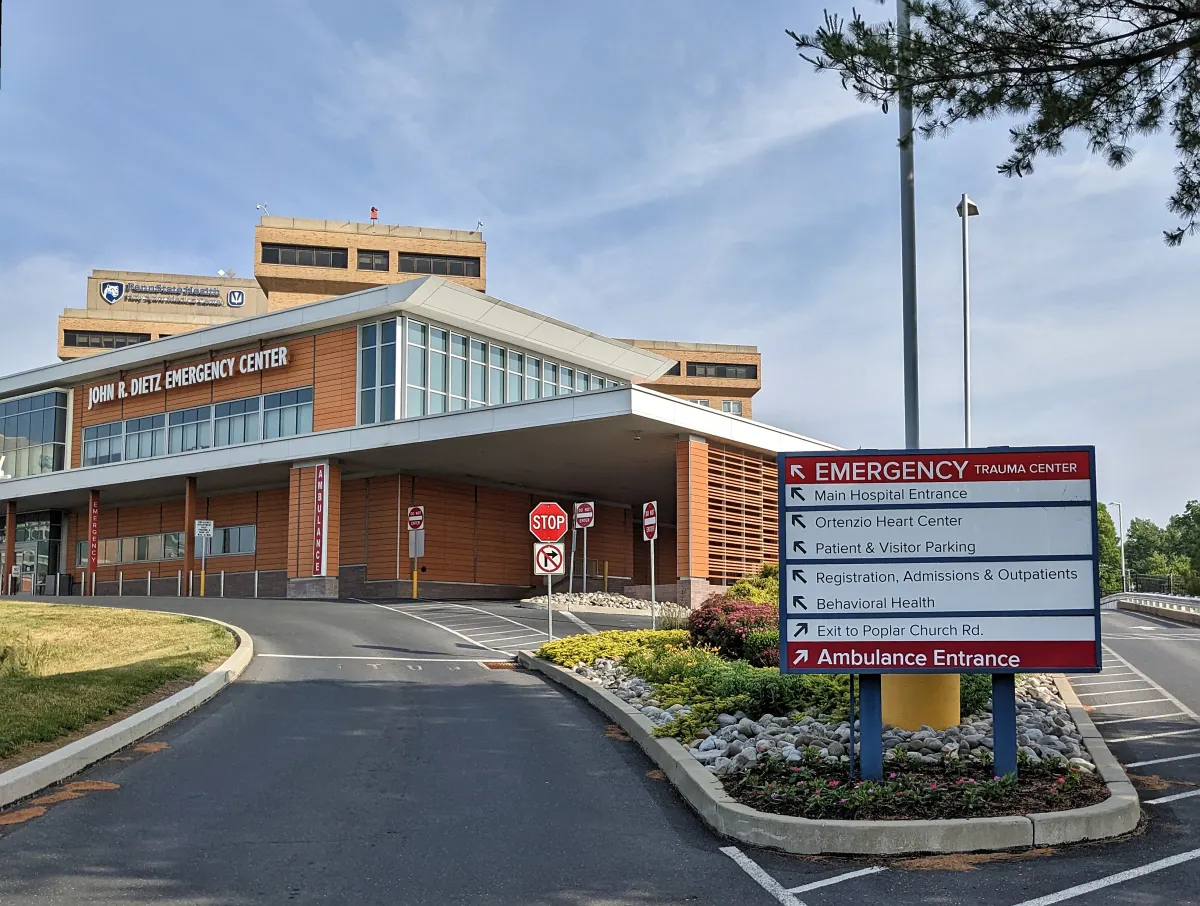
American health care is among the best and the most expensive in the world. There are no agreements covering visitors: a broken leg can cost tens of thousands of dollars, and intensive care or a flight home hundreds of thousands. Don't travel without insurance.
Insurance
- Get a policy that names the USA (cheap worldwide policies often exclude it), with medical cover of several million dollars, including evacuation and getting you home.
- Declare every existing condition. Check that it covers pregnancy, your age, and what you're doing: skiing, rafting, hiking at altitude, and search and rescue.
- Carry the insurer's 24-hour number, and call as soon as you need treatment. Send bills to them rather than paying, unless they tell you to pay.
If you're ill or hurt
- Emergency: call 911 for an ambulance, the fire service or the police. The call is free from any phone, and in many places you can text 911. Ambulances are charged for, but don't hesitate if it's serious.
- Emergency rooms (ER) in hospitals must assess and stabilise anyone in an emergency, whether or not they can pay, but they'll bill you.
- Urgent care centres are walk-in clinics, often open in the evenings and at weekends, for sprains, infections and stitches. They're far cheaper than an ER. Many pharmacies and supermarkets have clinics for minor problems, and video appointments are common.
- 988 is the free mental health and suicide crisis line, by call or text.
- For poisoning, call 1-800-222-1222.
Medicines
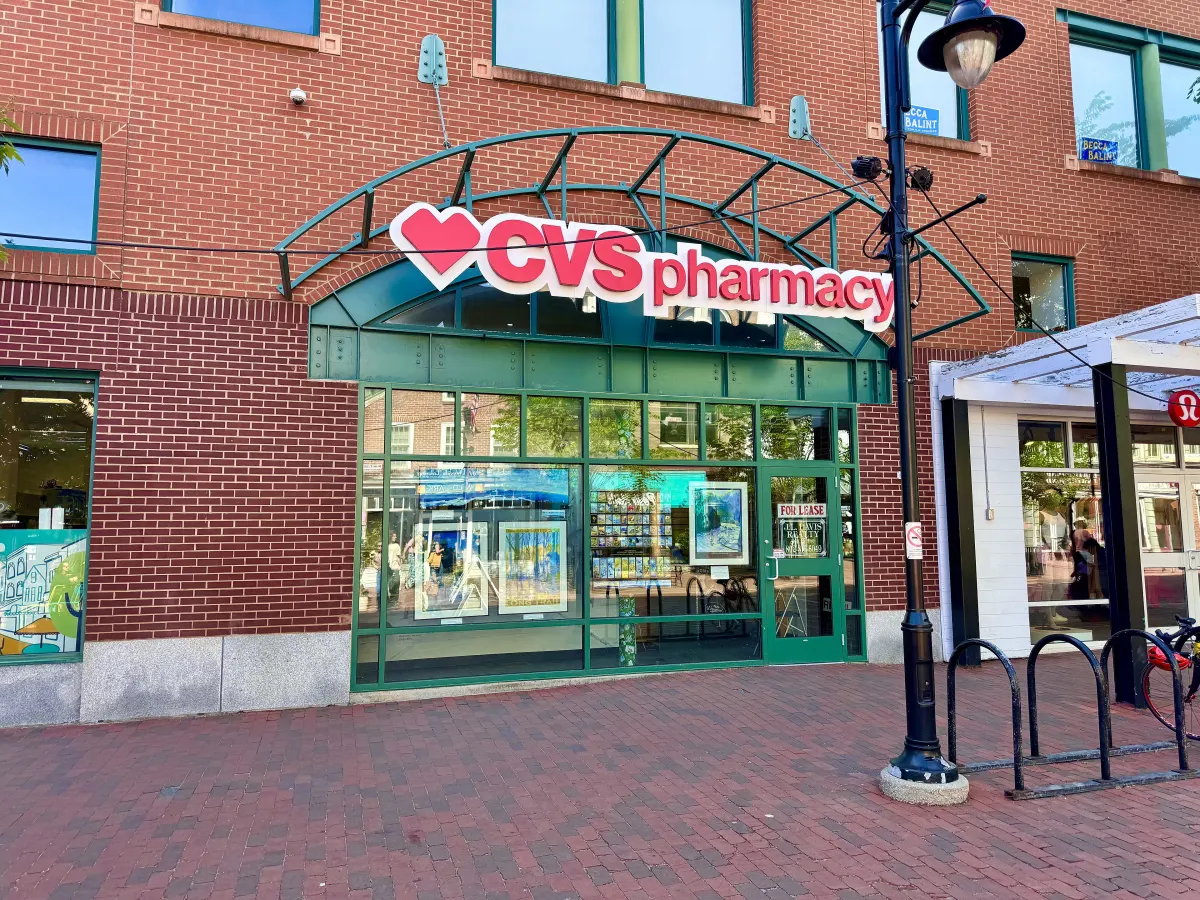
- Pharmacies (CVS, Walgreens, supermarkets) sell painkillers, cold and allergy medicines off the shelf. Paracetamol is called acetaminophen (Tylenol). Cold remedies with pseudoephedrine are kept behind the counter, and you show ID.
- Foreign prescriptions aren't valid: you need one from an American doctor, and medicines can be very dear, so bring enough. Codeine and some other medicines sold freely elsewhere need a prescription. See Arriving for bringing medicines in.
Vaccinations and health risks
- No vaccinations are required. Be up to date with the routine ones, above all measles (MMR): 5,838 cases had been confirmed in 2026 by 19 November, and the USA has lost its status as a country that had eliminated measles.
- Tap water is safe, except where a sign says otherwise. Don't drink from streams without treating the water.
- Ticks carry Lyme disease, above all in the north-east and upper Midwest from spring to autumn. Wear long trousers, use repellent and check yourself after walks.
- Mosquitoes spread West Nile virus in summer across much of the country, and sometimes dengue in Florida, Texas and Hawaii.
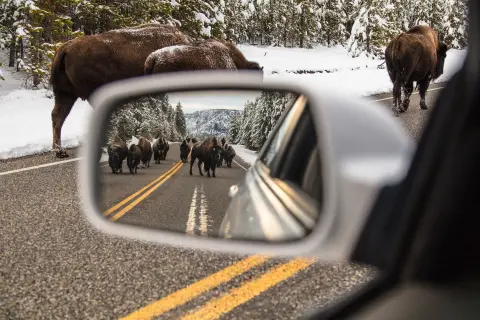
- Rabies is found in bats, raccoons, skunks and foxes. Never touch wildlife, and see a doctor at once after a bite or a bat in your room.
- Heat and altitude affect far more visitors than any of these. Denver is at 1,600 m, Santa Fe at over 2,100 m, and roads in the Rockies pass 3,700 m. See National parks and Safety.
See also phones, plugs and time zones.




Comments